Enhancing Your Garden Design with the Ivy-leaved cyclamen Plant: A Landscaping Guide
1
Cyclamen hederifolium offers both grace and adaptability to any garden setting.
2
Effective integration of Cyclamen hederifolium requires choosing an appropriate site, suitable soil, and observing seasonal development.
3
Caring for Cyclamen hederifolium involves adequate hydration, regulating light exposure, and managing pests to promote robust development.
Introducing Ivy-leaved cyclamen: A Touch of Elegance
Why choose Ivy-leaved cyclamen for landscaping?
Incorporating Ivy-leaved cyclamen into your garden offers numerous advantages, making it an excellent choice for any outdoor area. Firstly, this plant is renowned for its low-maintenance nature, suiting both beginner and seasoned gardeners. Furthermore, Ivy-leaved cyclamen is robust and adaptable, flourishing in diverse soil types and climates. Its lasting appeal and minimal care requirements can significantly enhance your garden's overall beauty without demanding excessive time or effort.
Brief overview of Ivy-leaved cyclamen's visual appeal
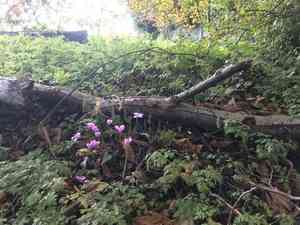
Ivy-leaved cyclamen features delicate, heart-shaped foliage with elegant ivy-like patterns and exquisite, drooping blossoms that vary in color from pure white to vibrant pink or deep red. The flowers lend a soft, romantic feel to any garden, fostering a tranquil and picturesque setting. This striking visual charm, coupled with its distinctive leaves, makes Ivy-leaved cyclamen a prominent plant capable of elevating the aesthetic interest of borders, ground covers, and even pots.
Incorporating Ivy-leaved cyclamen into Different Garden Styles
Traditional Gardens: Enhancing classic designs
In traditional garden settings, Ivy-leaved cyclamen can augment classic aesthetics with its timeless beauty. Placing Ivy-leaved cyclamen along garden walkways, at the base of larger shrubs, or in designated flower beds can provide a harmonious and unified appearance. The gentle shades of its blooms complement the structured and orderly layout typical of traditional gardens, adding a soft touch without disrupting the overall design scheme.
Modern Gardens: A sleek, contemporary touch
For modern gardens, Ivy-leaved cyclamen can contribute to a sleek and contemporary ambiance. Its clean lines and minimalist look make it compatible with cutting-edge landscape designs. Whether positioned in geometric planters or utilized as ground cover in symmetrical beds, Ivy-leaved cyclamen introduces an element of simplicity and sophistication. Its understated beauty can balance the bold shapes and striking features often found in modern garden hardscapes.
Cottage Gardens: Complementing a rustic charm
In cottage gardens, Ivy-leaved cyclamen seamlessly integrates with the rustic, whimsical charm characteristic of this style. The plant's informal and naturalistic appearance complements the relaxed feel of cottage gardens. Plant Ivy-leaved cyclamen alongside other traditional cottage garden favorites like lavender, hollyhocks, and roses to create a delightful, fairytale-like landscape. Its colorful blooms and decorative foliage can fill in gaps and add layers of interest among taller and more heavily textured plants.
Best Practices for Planting Ivy-leaved cyclamen in Landscapes
Selecting the right location
Choosing the optimal site for planting Ivy-leaved cyclamen is vital for its successful development. Ideally, select an area that receives filtered to partial shade, as excessive direct sunlight can harm the plant's foliage and flowers. Ensure the location is well-drained to prevent root rot and other moisture-related issues. Ivy-leaved cyclamen also thrives in spots where it can follow the garden's natural contours, providing a more organic and integrated look.
Understanding soil requirements
Ivy-leaved cyclamen flourishes in well-draining soil rich in organic matter. It prefers a slightly acidic to neutral pH level. Before planting, enrich the soil with compost or well-rotted manure to boost fertility and improve its texture. Regularly aerate the soil to maintain its structure and drainage capabilities. If the garden soil is heavy clay or sandy, amending it with organic matter can significantly enhance its suitability for Ivy-leaved cyclamen.
Seasonal considerations for optimal growth
Seasonal timing is crucial for the successful establishment of Ivy-leaved cyclamen. Planting is best done in the autumn when the soil is still warm but cooler air temperatures help reduce stress on new plants. Spring planting is also feasible, though it requires more diligent care as temperatures rise. Understanding the local climate and frost patterns will help you time the planting to give Ivy-leaved cyclamen the best chance for strong growth and development.
Maintaining Ivy-leaved cyclamen in Your Garden
Basics of watering and feeding
Proper irrigation is essential for maintaining healthy Ivy-leaved cyclamen. It's important to water the plant at its base to avoid wetting the foliage, which can lead to fungal problems. Regular, thorough watering is preferred over frequent, shallow irrigation. Additionally, nourishing Ivy-leaved cyclamen with a balanced, slow-release fertilizer can provide the necessary nutrients for vigorous growth and vibrant blooms. Organic mulches can also help retain soil moisture and offer a steady nutrient supply.
Managing sunlight exposure
Controlling the amount of sunlight Ivy-leaved cyclamen receives is crucial for its health and vitality. While it can tolerate some sun, excessive direct sunlight, especially during the hottest part of the day, can scorch its leaves and impede flowering. Aim to provide partial shade or dappled sunlight, mimicking the natural light conditions found under trees or shrubs. Utilizing taller plants to offer filtered light can also be an effective solution.
Dealing with pests and diseases
Though generally robust, Ivy-leaved cyclamen can be vulnerable to certain pests and diseases. Regularly inspect the plant for signs of aphids, snails, or spider mites, and implement pest control measures promptly. For instance, introducing natural predators like ladybugs or using organic insecticidal soaps can help manage pest populations. Additionally, ensuring good air circulation and avoiding overhead watering can reduce the risk of fungal diseases that may affect Ivy-leaved cyclamen.
Creative Ideas Using Ivy-leaved cyclamen in Landscape Designs
Creating color contrasts with Ivy-leaved cyclamen
One of the most visually impactful ways to use Ivy-leaved cyclamen is by creating color contrasts in your garden. Pair its soft, pastel blooms with plants that have darker foliage or more intense flower colors. For instance, Ivy-leaved cyclamen can be stunning when placed against the deep greens of ferns or the bold hues of Black-Eyed Susans. This contrast not only highlights Ivy-leaved cyclamen's delicate beauty but also adds complexity and depth to your garden landscape.
Innovative placements and uses in different spaces
Experiment with innovative placements for Ivy-leaved cyclamen to add unique touches to your garden. Consider planting it in rock garden crevices, along the edges of stone paths, or within small habitats in large garden containers. It can also be integrated into vertical gardens or hanging baskets for a cascading effect. These unconventional placements can showcase Ivy-leaved cyclamen's versatility and adaptability, making it a dynamic element in landscape designs.
Combining Ivy-leaved cyclamen with other plants for breathtaking scenery
Ivy-leaved cyclamen can be combined with other plants to create stunning garden vistas. Pair it with low-growing ground covers, ornamental grasses, or taller perennials to develop multi-layered planting schemes. The juxtaposition of Ivy-leaved cyclamen's refined elegance with more robust plant types can lead to a harmonious yet diverse garden atmosphere. By selecting companion plants that complement Ivy-leaved cyclamen's growth habits and aesthetic qualities, you can curate a garden space that is both visually captivating and ecologically balanced.



