Enhancing Your Garden Design with the Mediterranean cypress Plant: A Landscaping Guide
1
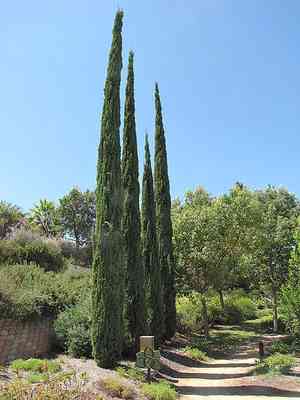
The Mediterranean cypress can reach a remarkable stature of 50 feet, establishing it as a prominent element in any landscape.
2
Renowned for its narrow, evergreen form, the Mediterranean cypress delivers continuous aesthetic appeal.
3
Adding Mediterranean cypress to your outdoor space can offer superb organic screening and protection from wind.
Grasping the Aesthetic Contribution of Mediterranean Cypress
Definition and Traits: What Makes Mediterranean Cypress Distinctive?
Mediterranean cypress stands out in landscaping due to its unique attributes. It is an evergreen conifer indigenous to the Mediterranean region, characterized by its tall, slender, and columnar form. Its leaves are scale-like and tightly packed along the branches, offering a rich, green appearance year-round. Mediterranean cypress is often linked with classic and refined landscapes, making it a favored option among gardeners seeking to add vertical interest and a sense of permanence to their outdoor areas.
Height and Structure: How Mediterranean Cypress Commands the Landscape
The height and structure of Mediterranean cypress are among its most striking features. This tree can reach up to 50 feet tall, sometimes even more, creating a dramatic visual impact. Its columnar shape means it occupies minimal ground space while extending skyward, making it perfect for smaller gardens or urban settings where area is limited. The treeâs upright growth habit naturally draws the eye upward, enhancing the vertical dimension of your garden and adding a sense of grandeur and scale.
Color and Texture: Boosting Visual Appeal
Mediterranean cypress offers more than just height; its color and texture significantly contribute to its allure. The treeâs foliage is a deep green, often with a silvery sheen that shimmers in the sunlight. This vibrant hue provides a striking contrast to other plants, especially during winter when gardens can appear dull. The texture of Mediterranean cypress is equally noteworthy, with its finely textured leaves creating a lush, dense look. This blend of color and texture makes Mediterranean cypress a versatile addition to any garden, capable of complementing a wide array of other plants and landscape elements.
Integrating Mediterranean Cypress into Various Landscape Designs
Formal Gardens: Balance and Sophistication with Mediterranean Cypress
Mediterranean cypress excels in formal gardens where balance and order are paramount. Its tall, uniform shape is perfect for creating structured lines and symmetrical layouts. Planting Mediterranean cypress in pairs or rows can frame entrances, pathways, or driveways, offering a majestic and polished look. The treeâs consistent form ensures it maintains its shape with minimal trimming, making it relatively easy to manage while providing the classic and timeless aesthetic desired in formal landscape designs.
Mediterranean Landscapes: Mirroring the Natural Mediterranean Environment
Mediterranean cypress is inherently suited to Mediterranean-style gardens, reflecting its native habitat. Its drought tolerance and preference for full sun make it ideal for climates that mimic the warm, dry conditions of the Mediterranean. In these landscapes, Mediterranean cypress can be paired with other drought-resistant plants like olive trees, lavender, and rosemary to create a cohesive and authentic look. Its slender form and evergreen foliage help maintain structure and interest throughout the year, even when seasonal blooms have faded.
Modern Gardens: Simplicity and Emphasis
In modern garden designs, Mediterranean cypress offers a minimalist and sleek option for adding vertical interest without overwhelming the space. Its simple, clean lines and uniform growth habit align well with modern aesthetics, which often emphasize open spaces and uncluttered designs. Mediterranean cypress can be used strategically as a focal point or a backdrop, blending seamlessly with hardscape elements like concrete, metal, and glass. Its evergreen nature ensures that it remains a constant feature, contributing to the gardenâs minimalist and sophisticated vibe year-round.
Practical Advantages of Using Mediterranean Cypress in Your Garden
Low Maintenance: Simple Care
One of the significant benefits of incorporating Mediterranean cypress into your landscape is its minimal maintenance requirements. Once established, Mediterranean cypress is highly drought-tolerant and needs little watering. It also possesses a natural resistance to many pests and diseases, reducing the need for chemical treatments. With just occasional pruning to maintain its shape and remove any dead or damaged branches, Mediterranean cypress can thrive with relatively little effort, making it an excellent choice for busy gardeners or those seeking to create a low-maintenance garden.
Natural Privacy: Screening Qualities of Mediterranean Cypress
Mediterranean cypress is not only visually appealing but also highly practical. Its dense foliage and tall stature make it an effective natural privacy screen. Planting Mediterranean cypress along property lines or around seating areas can provide a green wall that shields your space from neighbors or passersby. This natural barrier is an attractive alternative to fences or walls, offering privacy while enhancing the overall aesthetic of your garden.
Windbreaks and Sound Barriers: Environmental Benefits
In addition to privacy, Mediterranean cypress can serve as an effective windbreak or sound barrier. Its dense foliage can help reduce wind speed, protecting other plants and creating more comfortable outdoor spaces. Similarly, Mediterranean cypress can help dampen noise from nearby roads or other sources, contributing to a quieter and more peaceful garden environment. By planting Mediterranean cypress strategically, you can create a more sheltered and tranquil outdoor space, benefiting both the garden and its users.
Selecting the Optimal Location for Mediterranean Cypress in Your Landscape
Sunlight and Shade Requirements
When choosing a location for Mediterranean cypress, it's crucial to consider its sunlight needs. Mediterranean cypress prefers full sun, meaning it requires at least six hours of direct sunlight daily to flourish. Avoid planting it in areas that are heavily shaded, as this can hinder its growth and impact its overall health. Positioning Mediterranean cypress in a sunny spot ensures it receives the light it needs to develop its characteristic dense foliage and robust form.
Soil Types and Water Drainage
Mediterranean cypress is adaptable to various soil types but thrives in well-drained soil conditions. Before planting, assess the drainage of your garden soil. If the soil retains water and tends to stay wet, consider improving drainage by adding organic matter or sand to enhance its structure. Planting Mediterranean cypress in well-drained soil helps prevent root rot and other water-related issues, ensuring the tree remains healthy and vibrant.
Proximity to Structures and Other Plant Species
Another vital consideration when planting Mediterranean cypress is its closeness to existing structures and other plants. Given its potential height, ensure that Mediterranean cypress is not too near buildings, power lines, or other structures that it could interfere with as it grows. Additionally, consider the spacing between Mediterranean cypress and other plants to avoid overcrowding. Providing adequate space allows Mediterranean cypress to develop its full form and reduces competition for resources, promoting a healthier and more balanced garden.



