Enhancing Your Garden Design with the False heather Plant: A Landscaping Guide
1
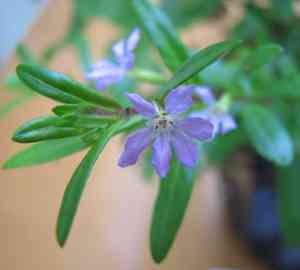
False heather presents an attractive element for any garden, featuring its rich, lively leaves and tiny, bright blossoms.
2
Adding False heather to your garden layout can supply continuous color and texture, ensuring your outdoor space remains vibrant across all seasons.
3
False heather stands as an excellent, easy-care plant, perfect for those who desire aesthetic appeal without extensive maintenance demands.
An Introduction to False Heather in Garden Design
Visual Appeal of False Heather
False heather is a charming addition to any garden, characterized by its compact, bushy growth and abundant small lilac or white flowers. Its fine-textured foliage offers a delicate yet vibrant display. This plant integrates seamlessly with other garden elements, adding a touch of color without dominating the space. Its subtle beauty makes it suitable for both contemporary and traditional garden aesthetics.
False Heather's Role in Landscape Architecture
In landscape architecture, False heather fulfills various roles effectively. Whether you're aiming for an English-style border or a modern minimalist garden, False heather fits perfectly. Its adaptability allows it to be used in diverse garden themes, from tropical to cottage gardens. As a filler plant, it complements larger, more dramatic plants, providing a backdrop that enhances other features. Additionally, its ability to flourish in different light conditions makes it a versatile choice for any garden.
Design Concepts Utilizing False Heather
Integrating False Heather into Border Plantings
False heather excels as a border plant due to its dense, low-growing habit. It can define garden pathways, flower beds, or lawn edges, creating a neat, distinct line. This plant's consistent growth and vibrant foliage provide order and structure while maintaining a natural, soft appearance. Pairing False heather with taller perennials can create a tiered effect, adding depth and dimension to your garden layout.
Employing False Heather as a Groundcover
When utilized as a groundcover, False heather offers excellent coverage, suppressing weed growth and helping to retain soil moisture. Its dense mat of foliage forms a lush, green carpet that remains picturesque year-round. This application is particularly beneficial in garden areas requiring low-growing plants to fill gaps between larger shrubs or trees. False heather adapts well to various soil types, making it a practical option for diverse garden environments.
Creative Placement of False Heather in Compact Areas
False heather is ideal for small spaces such as container gardens, balcony planters, or pocket gardens. Its compact size and resilient nature allow it to thrive in confined areas, adding a burst of color and life where ground space is limited. It can also be incorporated into vertical gardens or as part of a living wall, where its delicate flowers and foliage provide texture and visual interest. Small space gardeners will appreciate False heather's ability to flourish with minimal space and resources.
Advantages of Selecting False Heather for Your Garden
Low Maintenance Benefits of False Heather
One of the primary advantages of False heather is its minimal maintenance requirements. This plant is drought-tolerant once established and does not demand frequent watering. It also resists many common pests and diseases, reducing the need for chemical treatments. With minimal pruning necessary to maintain its shape, False heather is perfect for gardeners who prefer more leisure time over constant garden upkeep.
Year-Round Color and Texture
Gardens featuring False heather enjoy year-round visual appeal. Its evergreen foliage ensures that your garden remains lush even in the off-season, while its flowers bloom profusely during the warmer months. This continuous display of color and texture helps maintain a dynamic and attractive landscape, regardless of the time of year. The plant's fine leaves also create a lovely contrast with coarser textured plants.
Attracting Wildlife with False Heather
False heather is not only a beauty for humans to admire; it also draws various wildlife. The small flowers are excellent for pollinators such as bees and butterflies, providing them with nectar. Additionally, the dense foliage can offer shelter for small garden creatures, contributing to a more biodiverse and vibrant garden ecosystem. By incorporating False heather into your landscape, you're supporting local wildlife and encouraging a healthy garden environment.
Companion Plants for False Heather
Optimal Plants to Pair with False Heather
Companion planting with False heather can enhance both its beauty and vitality. Ideal companions include other low-maintenance plants like lavender, rosemary, or ornamental grasses. These pair well with False heather due to their similar water and sunlight needs. Additionally, taller plants like roses or peonies can provide a striking contrast to False heather's low, dense form. The result is a balanced, aesthetically pleasing garden layout.
How Companion Planting Boosts False Heather's Growth
Companion planting can significantly benefit the health and development of False heather. Selecting plants that share its environmental preferences ensures that all plants thrive with minimal competition for resources. Furthermore, certain companion plants can help deter pests or diseases, creating a more resilient garden. For instance, pairing False heather with marigolds can help repel common garden pests, keeping your False heather looking its best with fewer threats.
Addressing Common Challenges
Managing Sunlight Needs for False Heather
False heather thrives in full sunlight to partial shade, making it quite adaptable. However, providing it with the right amount of sun can maximize its blooming potential and overall health. In hotter climates, some afternoon shade can protect it from excessive heat. Conversely, in cooler climates, placing False heather in a sunnier spot helps it to flourish and flower abundantly. Understanding and adjusting to your local climate will ensure False heather remains robust and vibrant throughout its growing season.
Mitigating Pest Issues
While False heather is relatively pest-resistant, it can occasionally attract aphids or spider mites. Monitoring your plants regularly and taking early action can prevent significant damage. Natural remedies, such as horticultural oils or insecticidal soaps, can be effective in managing these pests without harming the plant or environment. Ensuring good air circulation and avoiding over-watering can also reduce the likelihood of pest problems, helping False heather to stay healthy and beautiful.



