Enhancing Your Garden Design with the Firecracker flower Plant: A Landscaping Guide
1
Firecracker flower flourishes in soil that drains well and retains consistent dampness.
2
The best period to plant Firecracker flower is in the spring or early summer months.
3
Consistent trimming encourages robust development and plentiful blossoms for Firecracker flower.
Introducing Firecracker Flower to Your Garden
Understanding the growth habits of Firecracker flower
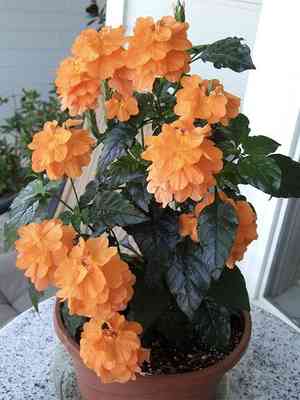
Firecracker flower is a tropical perennial that typically reaches 1-3 feet in height with a broad spread of lush, green foliage. This plant is recognized for its vibrant and appealing blossoms, which can appear in various shades like orange, apricot, and salmon, adding a striking burst of color to any garden. It's a versatile plant, adapting well to both garden beds and containers, making it an excellent choice for gardeners aiming to enhance their landscape with vibrancy and visual interest.
Seasonal timing for planting Firecracker flower
The optimal period to introduce Firecracker flower to your garden is during spring or early summer, when temperatures are warm and favorable for growth. Planting Firecracker flower during these seasons ensures the plant has ample time to establish itself before colder months arrive. In regions with mild winters, Firecracker flower can also be planted in the fall, provided there's no risk of frost. For best outcomes, closely monitor the weather and avoid planting during periods of extreme heat or cold.
Ideal soil conditions for Firecracker flower
To flourish, Firecracker flower needs well-draining soil that retains moisture without becoming waterlogged. It prefers slightly acidic to neutral soil, with a pH range of 5.5 to 7.0. Enhancing the soil with organic matter like compost or peat moss can improve its texture and fertility, creating perfect conditions for Firecracker flower's roots to thrive. Ensure the planting site receives partial to full sunlight, as insufficient light can lead to leggy growth and reduced blooming.
Design Principles for Incorporating Firecracker Flower into Landscapes
Color coordination with other garden elements
Firecracker flower can be a striking addition to your garden when thoughtfully paired with plants of complementary or contrasting colors. For a cohesive appearance, consider combining Firecracker flower with plants that share similar hues, such as marigolds, zinnias, or other warm-toned flowers. Conversely, for a bold and captivating display, mix Firecracker flower with cooler colors like purple salvia or blue plumbago. These deliberate combinations can elevate your garden's overall aesthetics and create a visually appealing landscape.
Balancing height and structure in garden design
Firecracker flower's moderate height makes it an excellent choice for the middle layer of garden beds or borders. To achieve a balanced and unified garden design, consider layering plants of varying heights. Position taller plants, such as ornamental grasses or shrubs, at the back, and utilize Firecracker flower as a middle layer to create depth and dimension. Low-growing ground covers or border plants can be placed at the front to complete the look. This tiered arrangement ensures Firecracker flower remains visible and contributes to a well-organized garden structure.
Creating focal points with Firecracker flower
Firecracker flower can serve as a vibrant focal point in various garden settings due to its striking flowers and lush foliage. Planting Firecracker flower in clusters or drifts can create a strong visual impact, drawing attention to specific areas of your garden. Additionally, pairing Firecracker flower with eye-catching garden features such as statues, water fountains, or decorative pots can further emphasize its beauty. Using Firecracker flower in these ways can help frame your garden's design and establish intentional areas of interest that captivate and delight observers.
Maintenance Tips for Firecracker Flower in Landscaping
Regular maintenance routines for Firecracker flower
Maintaining Firecracker flower in your garden involves consistent care to ensure robust growth and abundant blooms. Water the plant regularly, keeping the soil consistently moist but not saturated. Mulching around the base can help retain moisture and suppress weeds. Pruning spent flowers and elongated stems promotes new growth and encourages a bushier form. Additionally, feeding Firecracker flower with a balanced fertilizer every 4-6 weeks during the growing season can support its nutritional needs and enhance flower production.
Seasonal care variations for Firecracker flower
Firecracker flower requires different care approaches depending on the season. During the warmer months of spring and summer, focus on keeping the soil consistently moist and protecting the plant from extreme heat. As temperatures drop in fall, reduce watering to prevent root rot and prepare Firecracker flower for dormancy. If you live in a region with cold winters, consider bringing potted Firecracker flower indoors or providing frost protection, such as covering with garden fabric. These seasonal adjustments help Firecracker flower thrive year-round and ensure its longevity in your garden.
Common challenges in growing Firecracker flower and solutions
Despite its resilient nature, Firecracker flower can encounter challenges such as pest infestations, fungal diseases, and improper watering. Common pests include aphids, spider mites, and whiteflies, which can be managed with insecticidal soap or neem oil. Fungal issues, such as root rot or leaf spot, often stem from overwatering and poor air circulation. To combat these problems, ensure adequate spacing between plants and avoid overhead watering. By remaining vigilant and addressing these challenges promptly, you can maintain the overall health and beauty of Firecracker flower in your garden.



