Enhancing Your Garden Design with the Woodland crocus Plant: A Landscaping Guide
1
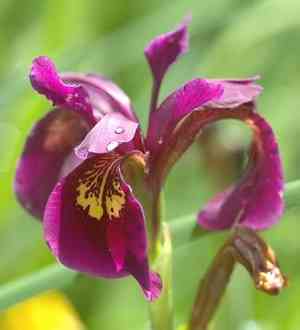
The woodland crocus flowers in early spring, providing vibrant hues following the winter period.
2
This crocus variety resists deer, making it a dependable option in regions with animal presence.
3
Optimal growth for woodland crocus requires soil that drains well and exposure to partial or full sun.
Introducing Woodland Crocus to Your Garden
Understanding the Growth Pattern of Woodland Crocus
The charming Woodland Crocus is known for its compact growth and cheerful flowers that brighten early spring. Typically, it grows only about 3-4 inches tall, making it ideal for ground cover or the front of flower beds. Knowing its growth habit is key to effectively integrating it into your landscape. It spreads via both seeds and corm offsets, creating a naturalizing effect over time. Once established, Woodland Crocus can form a lovely carpet of color with minimal upkeep.
Seasonal Timing for Planting Woodland Crocus
Timing is vital when planting Woodland Crocus to ensure a vibrant spring display. The best time to plant is in the fall, ideally before the first frost. This allows the corms to establish roots well before their winter dormancy. Planting in clusters at this time guarantees a robust and consistent bloom period, usually in late winter to early spring, depending on your local climate. By minding seasonal timing, you can ensure an early burst of color to combat winter's gloom.
Selecting the Ideal Location for Woodland Crocus in Your Landscape
Location choice is crucial for the successful growth and visual appeal of Woodland Crocus. Pick a spot that gets partial to full sun, as too much shade can hinder its blooming. Well-draining soil is another critical factor; avoid areas where water collects, as excess moisture can cause corm rot. Woodland Crocus thrives under deciduous trees, where it can enjoy early spring sunlight before the tree canopy develops. Such thoughtful placement ensures both a healthy growing environment and a superb visual impact in your landscape.
Design Ideas Using Woodland Crocus
Creating Color Contrasts with Woodland Crocus
Woodland Crocus's delicate blooms come in shades of purple, lavender, and sometimes white, offering many chances to create striking color contrasts in your garden. Pair Woodland Crocus with early yellow daffodils or bright tulips to boost visual impact. The contrasting hues can make your garden appear lively and well-planned. Also, consider planting Woodland Crocus en masse for a dramatic single-color display or in smaller groups to highlight other spring flowers' colors.
Bulb Grouping Suggestions for Optimal Aesthetics
Strategically grouping Woodland Crocus can enhance its natural beauty and contribute to a cohesive landscape design. Plant the corms in informal drifts rather than strict rows for a more organic, natural appearance. Consider placing them in clusters of 10-15 for a concentrated burst of color. Additionally, mixing Woodland Crocus with other early spring bloomers like snowdrops and hellebores can create a layered effect that adds depth and texture to your garden beds.
Incorporating Woodland Crocus with Other Garden Elements
Integrating Woodland Crocus into various garden elements can amplify its charm and usefulness. Planting it along stone pathways or between stepping stones can create a whimsical, fairy-tale-like effect. It also works well in rock gardens, where its vibrant colors can contrast beautifully against the stony background. For a more dynamic landscape, consider combining Woodland Crocus with ornamental grasses and perennial ground covers, which can provide visual interest throughout the seasons.
Maintenance Tips for a Healthy Woodland Crocus Display
Regular Observations for Optimal Growth
To maintain a thriving Woodland Crocus display, routine garden checks and simple tasks can be very beneficial. Watch for signs of disease or pests like aphids, which can be managed with neem oil or insecticidal soap. Ensure the soil remains well-draining and amend if needed, perhaps by adding sand or organic matter for better texture. Consistent but moderate watering during dry periods also helps maintain plant vigor without risking root rot.
Managing Overgrowth and Encouraging Proliferation
While Woodland Crocus is relatively low-maintenance, it can spread widely over time. If you prefer a neater garden, dig up and divide the corms every three to five years. This practice not only helps control overgrowth but also promotes healthier blooms. Replant the divided corms immediately or share them with other gardening enthusiasts to expand the beauty of Woodland Crocus in more landscapes. Regular thinning keeps the plants vigorous and ensures a continuous, dense display each spring.
Innovative Usage of Woodland Crocus in Special Landscaping Projects
Highlighting Paths and Walkways
Using Woodland Crocus to line paths and walkways can transform these functional garden elements into captivating features. The early blooms guide visitors through the garden, providing a welcoming and serene journey. Consider planting them along the edges of brick or stone paths to create a soft, colorful border that contrasts with the hardscape materials.
Enhancing Water Features
Incorporating Woodland Crocus around water features like ponds, fountains, or even small garden streams can enhance your garden's tranquil atmosphere. The bloom's delicate appearance pairs beautifully with the reflective water surfaces and the gentle sound of flowing water. Ensure the planting areas around these features have adequate drainage to keep the corms healthy and prevent waterlogging.
Special Seasonal Arrangements
For those who enjoy creative garden projects, Woodland Crocus offers exciting possibilities for seasonal displays. Use them to spell out words or patterns in the garden beds, celebrating spring holidays or personal milestones. Additionally, incorporate Woodland Crocus into container gardens for patios and porches, allowing for versatile display options that can be moved or changed with the seasons. These special arrangements can make your garden uniquely personable and dynamic.



