Enhancing Your Garden Design with the Buttons on a string Plant: A Landscaping Guide
1
Buttons on a string flourishes in bright, well-drained spots.
2
Combine Buttons on a string with plants of differing textures to enhance visual interest.
3
Consistent trimming maintains a neat appearance and encourages robust development in Buttons on a string.
Exploring the Visual Charm of Buttons on a string
Visual attributes: Dimensions, form, and hue variations of Buttons on a string
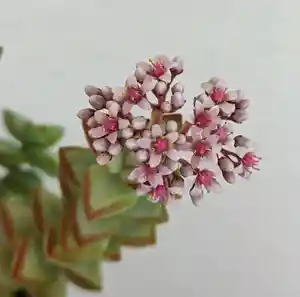
Buttons on a string is a visually captivating plant recognized for its distinct dimensions, form, and hue variations. It showcases small, spherical leaves that develop along delicate, thread-like stems, creating a striking 'buttons on a string' look. Typically, Buttons on a string displays a spectrum of colors from various green shades to reddish tones, often with hints of pink or yellow, depending on sun exposure. This vivid range enhances its appeal, making it a flexible option for diverse landscape designs.
Seasonal transformations: How Buttons on a string changes throughout the year
One of the most captivating aspects of Buttons on a string is its ability to transform with the seasons. During warmer periods, its foliage often adopts a brighter, more vibrant color due to increased sunlight. As temperatures drop, its coloration can deepen, adding a lovely autumnal touch to your garden. This seasonal shift not only boosts your landscapeâs visual interest year-round but also ensures your garden never appears static or uninspired.
Companion planting: Complementary species for Buttons on a string
When pairing Buttons on a string with other plants, select species that complement its unique texture and color scheme. Succulents like Echeveria and Sedum are suitable due to their similar care needs and contrasting forms. Alternatively, grasses or perennials such as lavender can introduce a soft, flowing element alongside the structured shape of Buttons on a string. Choosing the right companions not only highlights Buttons on a string's beauty but also fosters a harmonious and balanced landscape.
Optimal Placement for Buttons on a string to Maximize Impact
Selecting the ideal spot: Sunlight and visibility considerations
To ensure Buttons on a string flourishes and captures the attention it deserves, choosing the correct location is vital. Buttons on a string prefers sunny spots, so pick a site that receives ample natural light. South-facing areas are perfect. Beyond sunlight, consider visibility; plant Buttons on a string where it can be easily seen and admired, such as along paths, in rock gardens, or near entryways. This strategic positioning guarantees both the plant's health and its maximum visual effect.
Spacing techniques: Ensuring each Buttons on a string has sufficient room
Appropriate spacing is crucial for the health and visual appeal of your landscaping. When planting Buttons on a string, ensure there's enough room for it to grow without crowding its neighbors. Generally, a spacing of about 6-12 inches between plants is adequate, though this can vary based on the overall design and the growth habit of the plants involved. This spacing allows Buttons on a string to spread naturally, promoting better air circulation and reducing competition for resources.
Key areas: Where to position Buttons on a string for enhanced curb appeal
For peak curb appeal, consider placing Buttons on a string in prominent areas where its distinctive appearance can be fully showcased. Ideal spots include the edges of garden beds, alongside driveways, or even in container gardens on patios. These locations allow Buttons on a string to stand out, drawing the eye and adding a touch of elegance to your overall landscape design. Combining Buttons on a string with strategic lighting can further enhance its evening allure, ensuring your garden looks stunning at all times.
Incorporating Buttons on a string into Various Landscape Designs
Contemporary landscapes: Clean lines and minimalist approaches
In contemporary landscapes, clean lines and minimalist approaches are paramount. Buttons on a string, with its structured form and diverse color palette, integrates seamlessly into this style. Arrange Buttons on a string in linear patterns or geometric designs to complement the straightforward aesthetic of modern landscaping. Its unique shape adds an element of interest without overwhelming the simplicity that defines modern gardens.
Traditional gardens: Enhancing classic designs with Buttons on a string
Buttons on a string can also enrich more traditional garden designs. Place it in borders alongside classic perennials or use it as an accent in cottage-style gardens. Its varied hues and compact form make it a beautiful addition that can break up the uniformity of more traditional plantings while still adhering to a timeless aesthetic. The key is to blend Buttons on a string with plants that share complementary textures and growth habits to create a cohesive look.
Eclectic spaces: Blending Buttons on a string with diverse plant types for unique aesthetics
For more adventurous and eclectic garden spaces, Buttons on a string provides an opportunity to experiment with mixing varied plant types to create a truly unique aesthetic. Combine Buttons on a string with a mix of different succulents, grasses, and flowering plants to create an informal, vibrant garden space. The contrasting textures and colors can lead to a dynamic and engaging garden that leaves a lasting impression. The adaptability of Buttons on a string allows it to seamlessly integrate into a wide range of designs, making it a versatile choice for any gardener seeking to add a touch of creativity to their landscape.
Care Guidelines for Buttons on a string in Landscapes
Watering needs: Optimal hydration practices for Buttons on a string
Proper watering is crucial for maintaining Buttons on a string's health and appearance. While Buttons on a string is drought-tolerant and requires relatively low moisture compared to many other plants, consistent watering during extended dry periods will keep it looking its best. Aim to water deeply but infrequently, allowing the soil to dry out between waterings. This practice helps prevent root rot and promotes stronger, deeper root development.
Pruning and upkeep: Keeping Buttons on a string looking its best
Regular pruning and maintenance are essential for keeping Buttons on a string neat and healthy. Remove any dead or damaged leaves to encourage new growth and maintain the plant's ornamental appearance. Lightly trim the stems to promote branching and fuller growth, especially during the active growing season. This routine care not only enhances Buttons on a string's visual appeal but also helps prevent potential pest issues.
Seasonal preparations: Safeguarding Buttons on a string in harsh weather
To protect Buttons on a string during adverse weather conditions, particularly frost or extreme heat, it is vital to take seasonal precautions. In colder climates, consider mulching around the plant's base to shield the roots from freezing temperatures or even bringing container plants indoors. During excessive heat, ensure Buttons on a string has access to sufficient water and provide some shade during the hottest parts of the day. These strategies will help Buttons on a string thrive throughout the seasons, maintaining its beauty and health year-round.



