Enhancing Your Garden Design with the Jade plant Plant: A Landscaping Guide
1
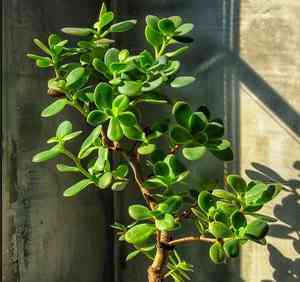
Quick Fact: The jade plant enhances the beauty of any garden due to its distinctive look and form.
2
Quick Fact: The jade plant's remarkable adaptability allows it to effortlessly blend with diverse flora.
3
Quick Fact: The jade plant requires minimal upkeep, presenting a superb option for those with limited time for gardening.
Why Incorporate Jade Plant into Your Landscape?
Aesthetic Contribution: Discovering Jade Plant's Visual Appeal
The initial impression of a Jade plant is its stunning look. Featuring thick, succulent leaves and a sturdy stem, it creates a striking focal point in any garden. Its foliage often displays a beautiful jade-green hue with a glossy finish, making it visually captivating. Additionally, Jade plants tend to produce small, star-shaped white or pink blossoms, adding another layer of charm to their already impressive appearance. Thus, integrating Jade plant into your outdoor design can instantly enhance your garden's beauty.
Plant Compatibility: How to Blend Jade Plant with Other Species
A significant advantage of choosing Jade plant for your garden is its ability to coexist with other plants. Jade plant integrates easily because it doesn't aggressively compete for resources such as water and nutrients. You can pair it with succulents, cacti, and flowering plants, creating a diverse and harmonious plant arrangement. Placing Jade plant alongside other low-water plants also contributes to a cohesive, water-efficient garden design. Whether you're an experienced gardener or just beginning, Jade plant is a versatile addition to any outdoor space.
Evergreen Allure: Benefits of Jade Plant's Seasonal Resilience
Jade plant isn't just a summer highlight; it offers year-round visual interest. During colder months, its evergreen nature ensures your garden maintains vibrant colors and textures even when other plants become dormant. Its hardiness means it can thrive through various seasons with minimal attention. The ability of Jade plant to flourish in different climates further solidifies its role as a robust and dependable plant in your landscape plan.
Designing with Jade Plant: Creative Placement and Concepts
Crafting Focal Points Using Jade Plant
In garden design, focal points attract the eye and establish structure. Jade plant excels at creating these focal points due to its distinctive form and dimensions. You can cultivate Jade plant in decorative containers and strategically position them around your garden to highlight specific zones. Alternatively, grouping several Jade plants can form an eye-catching cluster, becoming a centerpiece that improves your garden's overall layout.
Incorporating Jade Plant in Rock and Zen Gardens
Rock and Zen gardens emphasize simplicity, serenity, and natural elements. Jade plant seamlessly fits within this garden style. Its calm appearance and robust character make it an ideal plant for introducing a touch of green without overwhelming the minimalist aesthetic. Arrange Jade plant among ornamental rocks, sand, or gravel to create a balanced and peaceful garden space that inspires relaxation and harmony.
Border and Edging Concepts Featuring Jade Plant
Borders and edges define garden boundaries and create a neat, organized appearance. Jade plant can be an effective choice for these applications. Its compact growth habit and tough nature make it perfect for lining pathways or delineating garden beds. By utilizing Jade plant as a border, you gain not only functional separation but also the added visual benefit of its attractive foliage, contributing to an overall polished landscape design.
Landscape Maintenance Advice for Jade Plant
Watering Techniques for Optimal Growth
Appropriate watering is essential for Jade plant's vitality and development. While it is drought-tolerant, excessive watering can lead to root rot. It's best to irrigate Jade plant thoroughly but infrequently, allowing the soil to dry completely between watering sessions. This routine ensures the roots receive adequate moisture without causing waterlogging. Using a well-draining soil mix can further help maintain correct moisture levels and prevent potential issues from overwatering.
Managing Sunlight Exposure to Enhance Jade Plant's Beauty
Jade plant thrives in environments with ample sunshine. To ensure it maintains its vibrant hues and vigorous growth, plant Jade plant in spots that receive at least four to six hours of direct sunlight daily. In extremely hot climates, some afternoon shade can shield it from sunburn. Balancing light exposure helps Jade plant develop its characteristic thick leaves and promotes healthy blooming, contributing to its overall visual appeal.
Soil Requirements and Amendments for Jade Plant
The correct soil conditions are crucial for Jade plant's growth. It prefers well-draining soil to prevent water retention that could harm the roots. You can enhance soil drainage by adding sand or a gritty mix to your potting medium. Amending the soil with organic material, such as compost, can also supply the nutrients Jade plant needs to flourish. Ensuring proper soil conditions will help keep Jade plant healthy and vibrant in your landscape for many years.
Landscape Challenges and Solutions with Jade Plant
Addressing Pests and Diseases in Jade Plant
Like any plant, Jade plant can occasionally suffer from pests and diseases. Common invaders include mealybugs and spider mites. Regularly inspect your plants and act promptly if you notice any signs of infestation. You can apply insecticidal soap or a neem oil solution to treat affected plants. Ensuring good air circulation around Jade plant can also reduce the risk of fungal infections.
Adapting Jade Plant to Various Climate Zones
Jade plant is a versatile species that can adjust to different climate zones. In colder regions, you might consider cultivating Jade plant in containers that can be moved indoors during winter. Alternatively, employing protective measures like frost cloths can help shield outdoor plants from severe cold. Understanding the specific climate requirements and potential adjustments needed will ensure that Jade plant remains a flourishing part of your garden regardless of local weather conditions.
Managing Overgrown Jade Plant: Pruning and Care Tips
Over time, Jade plant can become overgrown and may require pruning to maintain its form and health. Pruning is best performed in the spring, allowing new growth to emerge during the active season. Use sharp, sterilized tools to make clean cuts and remove any dead or damaged branches. Regular pruning helps Jade plant maintain its compact structure and encourages healthy new growth, keeping your garden looking neat and attractive.



