Enhancing Your Garden Design with the Red pagoda Plant: A Landscaping Guide
1
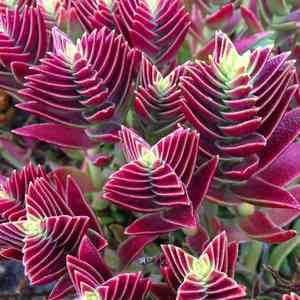
The Red pagoda offers a prominent aesthetic feature because of its distinct hue and form.
2
The Red pagoda requires minimal upkeep, making it ideal for gardeners of any skill level.
3
Integrating Red pagoda with other succulents can produce an impressive, water-conserving garden.
Introducing Red Pagoda in Landscape Design
Understanding Red Pagoda's role in garden aesthetics
A compelling aspect of Red Pagoda in landscaping is its capacity to bring a lively, dynamic element to your garden. Its striking red tones beautifully contrast with the green background of typical plants. Whether utilized as a focal point or to complement other garden features, Red Pagoda can enhance the visual appeal of any outdoor area. Its distinct spiral growth pattern generates a sense of movement, adding an engaging texture that draws the eye.
Advantages of incorporating Red Pagoda into outdoor areas
Red Pagoda offers numerous advantages when integrated into your landscape design. Firstly, it's an excellent choice for water-efficient gardening due to its drought tolerance. This makes it perfect for regions with limited water resources or for gardeners aiming to reduce water consumption. Furthermore, Red Pagoda requires minimal upkeep, freeing up your time to enjoy your garden instead of working in it. Its robust nature means it can flourish in various soil types and conditions, making it a versatile addition to any landscape.
Design Principles for Integrating Red Pagoda
Strategic placement of Red Pagoda for maximum visual impact
To maximize Red Pagoda's impact in your landscape, carefully consider its positioning. Place Red Pagoda where its vibrant color and unique texture can be best appreciated. It can serve as a prominent feature in rock gardens or be used along garden edges to introduce a burst of color. When planting, ensure it has ample room to grow and display its full potential. Arranging Red Pagoda in clusters can create a bold statement, while scattering it throughout the garden can subtly enhance the overall aesthetic.
Combining Red Pagoda with other plants for a unified appearance
Red Pagoda pairs wonderfully with other succulents and drought-resistant plants, creating a cohesive and harmonious look in your garden. Consider pairing it with species that have contrasting textures and colors to achieve visual balance. For instance, combining Red Pagoda with softer, trailing plants can highlight its angular form, while placing it next to green or silver-leaved plants can make its red hues stand out. Utilizing different heights and forms within the same planting area can also emphasize Red Pagoda's unique structure and create a dynamic landscape.
Seasonal Considerations for Red Pagoda
Optimal planting times for Red Pagoda for best growth
For optimal results, plant Red Pagoda during spring or early summer when the weather is mild. This timing allows the plant to establish itself before the intense heat of summer or the cold of winter arrives. Spring planting provides ideal growing conditions, giving Red Pagoda the best chance to thrive and develop its vibrant colors. However, in milder climates, it can also be planted in early autumn, allowing it time to root well before the first frost.
How seasonal changes influence Red Pagoda's appearance
Red Pagoda's appearance can shift with the seasons, accentuating its unique charm. During summer, Red Pagoda may exhibit more intense red tones, especially when exposed to full sun. In cooler seasons, its colors might deepen or slightly fade, adding a seasonal element of interest to your garden. Understanding these changes can help you plan your garden layout to ensure year-round beauty. Be aware that extreme temperatures can stress the plant, so providing some shade during the hottest parts of the day in summer can help maintain its health and appearance.
Maintenance Tips for Red Pagoda in Landscape Settings
Basic care recommendations for Red Pagoda
Maintaining Red Pagoda in your landscape is relatively simple, making it ideal for both beginner and experienced gardeners. Primarily, ensure it receives sufficient sunlight, ideally about six hours of direct sun daily to promote vibrant coloration. Watering should be infrequent but thorough, allowing the soil to completely dry between sessions. Be careful not to overwater, as this can lead to root rot. Generally, Red Pagoda thrives in well-draining soil, so consider adding sand or gravel to improve soil drainage if needed.
Addressing common problems encountered with Red Pagoda in gardens
While Red Pagoda is generally resilient, gardeners may occasionally face issues like pests or diseases. Common pests include aphids and mealybugs, which can be managed with neem oil or insecticidal soap. Overwatering is a frequent problem that can cause fungal infections; thus, maintaining proper watering habits is crucial. Additionally, ensure Red Pagoda is planted in an area with good air circulation to prevent mold growth. Periodically inspect the plant for any signs of distress or pests, and take prompt action to resolve any issues to keep your Red Pagoda healthy and vibrant.
Real-World Examples of Red Pagoda in Landscaping
Showcase of gardens and public areas featuring Red Pagoda
Real-world examples of Red Pagoda in landscaping demonstrate its versatility and visual appeal. From private gardens to public parks, Red Pagoda has been successfully incorporated into various landscapes. For instance, in many urban gardens, Red Pagoda is used to introduce a touch of nature by complementing modern architecture with its distinctive form and color. Community gardens often include Red Pagoda as part of their drought-resistant plant sections, illustrating how it can be used to create sustainable yet beautiful spaces.
Inspiration and concepts from these implementations
Drawing inspiration from these real-world examples can help you discover creative ways to use Red Pagoda in your own garden. Consider designing a themed succulent garden where Red Pagoda is the main attraction, or use it as a colorful border for your pathways. In larger areas, Red Pagoda can be part of a mixed planting scheme to add layers of color and texture. These examples show that with a bit of creativity, Red Pagoda can be a key element in a wide range of landscaping designs, making your outdoor space both functional and aesthetically pleasing.



