Enhancing Your Garden Design with the Rockspray cotoneaster Plant: A Landscaping Guide
1
Rockspray cotoneaster provides continuous aesthetic appeal due to its appealing leaves and vibrant fruit.
2
This adaptable plant can be paired with diverse other flora to achieve a balanced garden aesthetic.
3
Appropriate upkeep and seasonal attention are crucial for Rockspray cotoneaster to flourish in your outdoor space.
Introducing Rockspray Cotoneaster in Garden Design
Why Select Rockspray Cotoneaster for Your Outdoor Space?
For landscape design, Rockspray cotoneaster is an excellent option for several reasons. Its low-growing, spreading habit makes it perfect for ground cover, sloped areas, and even trailing over walls. Furthermore, Rockspray cotoneaster is known for its durability and simple care, making it suitable for both new and experienced gardeners. The plant's leaves offer a beautiful display that changes colors with the seasons, enhancing your garden's visual appeal throughout the year. Additionally, Rockspray cotoneaster is known for attracting birds and pollinators, contributing to your garden's ecological balance.
Fundamental Traits and Aesthetic Appeal of Rockspray Cotoneaster
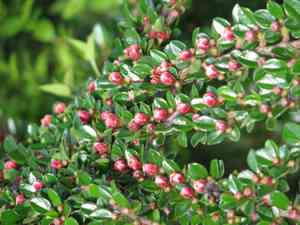
Rockspray cotoneaster is valued not only for its toughness but also for its beauty. The plant features small, shiny leaves that transition from green in spring and summer to lovely shades of red, orange, and bronze in autumn. In spring, it produces small, pinkish-white flowers that develop into bright red berries in fall, providing a vibrant burst of color. The berries remain through winter, offering visual interest even in colder months. This multi-seasonal charm makes Rockspray cotoneaster a flexible addition to any landscape.
Strategic Placement of Rockspray Cotoneaster in Your Garden
Optimal Locations for Planting Rockspray Cotoneaster for Visual Impact
To maximize Rockspray cotoneaster's visual impact in your garden, strategic placement is key. Consider planting it where it can naturally spread, such as along banks, slopes, or terraces. This not only prevents soil erosion but also creates a lush, green carpet that enhances the natural scenery. Rockspray cotoneaster also works well as a border plant along paths or flower beds, where its foliage can provide a striking contrast to other plants. For a dramatic effect, let Rockspray cotoneaster cascade over retaining walls or large containers, adding layers and depth to your garden.
Pairing Rockspray Cotoneaster with Other Plants
One of Rockspray cotoneaster's greatest strengths is its ability to complement various other plants. Combine it with taller shrubs or trees to create an understory that adds depth and texture to your garden. The small, dark green leaves of Rockspray cotoneaster provide an excellent backdrop for flowering plants with bright blooms. Additionally, planting Rockspray cotoneaster alongside evergreens can create a visually appealing contrast and ensure your garden remains vibrant year-round. When choosing companion plants, select those with similar water and sunlight needs to maintain a harmonious and sustainable landscape.
Seasonal Considerations for Rockspray Cotoneaster
What to Expect from Rockspray Cotoneaster Throughout the Year
Each season brings something unique to Rockspray cotoneaster, making it a dynamic element in your garden. In spring, you'll enjoy the fresh green foliage and delicate flowers that signal warmer weather. Summer maintains the lush greenery, forming a thick, protective ground cover. Fall is perhaps the most striking season for Rockspray cotoneaster, with its leaves turning vibrant shades of red and orange, accompanied by clusters of bright red berries. During winter, the berries persist, and the foliage often takes on bronzy hues, ensuring your garden remains visually engaging despite the cold.
Preparing Rockspray Cotoneaster for Seasonal Changes
To keep Rockspray cotoneaster thriving through the seasons, some preparatory steps are essential. In spring, inspect the plant for any winter damage and prune back dead or damaged branches to encourage healthy growth. During hot summer months, ensure Rockspray cotoneaster receives sufficient water, especially during dry spells, but be careful not to overwater, as this can lead to root rot. In fall, a slow-release fertilizer can provide necessary nutrients to prepare Rockspray cotoneaster for winter. Additionally, mulching around the plant's base can help retain moisture and protect the roots from extreme cold.
Maintenance Advice for Rockspray Cotoneaster in Landscapes
Regular Practices to Keep Rockspray Cotoneaster Flourishing
Consistent maintenance is vital for keeping Rockspray cotoneaster healthy and vibrant. Pruning is an important practice that encourages growth and helps maintain the plant's form. Promptly remove any dead or diseased branches to prevent the spread of infections. Fertilize Rockspray cotoneaster once in early spring with a balanced, slow-release fertilizer to support its growth cycle. Water the plant deeply but infrequently, allowing the soil to dry out between watering sessions to prevent root rot. Also, regularly check for pests like aphids or spider mites and treat them promptly using appropriate, eco-friendly methods.
Common Issues and Simple Solutions for Rockspray Cotoneaster
While Rockspray cotoneaster is relatively low-maintenance, it's not entirely free from potential problems. A common issue is leaf spot, caused by fungal infections, which can be treated with suitable fungicides and by removing affected foliage. Root rot can be a concern if the plant is overwatered or if the soil has poor drainage. To address this, ensure the planting site has well-draining soil and avoid excessive watering. Aphids and spider mites may occasionally infest Rockspray cotoneaster; in such cases, insecticidal soap or neem oil can be effective treatments. Regular monitoring and swift action can keep Rockspray cotoneaster in prime condition.
Creative Ways to Integrate Rockspray Cotoneaster into Your Landscape Design
Innovative Concepts for Utilizing Rockspray Cotoneaster as a Design Element
There are numerous creative ways to use Rockspray cotoneaster in your landscape design. Consider creating a living wall by allowing Rockspray cotoneaster to trail down retaining walls or large rocks, giving a naturalistic feel to your garden. You can also use Rockspray cotoneaster as a natural border along walkways or flower beds, where its dense foliage can define spaces and add structure. For a modern touch, plant Rockspray cotoneaster in large, decorative containers placed at various heights to create a multi-layered effect. The plant's adaptable nature allows it to be shaped and sculpted, making it suitable for topiary designs or as part of a formal garden layout.
Examples of Inspiring Landscape Projects Featuring Rockspray Cotoneaster
Many landscape projects have successfully incorporated Rockspray cotoneaster, showcasing its versatility and beauty. For instance, Rockspray cotoneaster has been used to create stunning ground cover in expansive gardens, offering a lush, green carpet that contrasts beautifully with flowering plants. In urban settings, Rockspray cotoneaster often features in rooftop gardens where its low-growing habit and hardiness are advantageous. Another inspiring example is the use of Rockspray cotoneaster along stairways, where it softens the hard edges of steps and railings while providing visual continuity and cohesion. These examples highlight the myriad ways Rockspray cotoneaster can be creatively integrated into various landscape designs.



