Enhancing Your Garden Design with the New Zealand laurel Plant: A Landscaping Guide
1
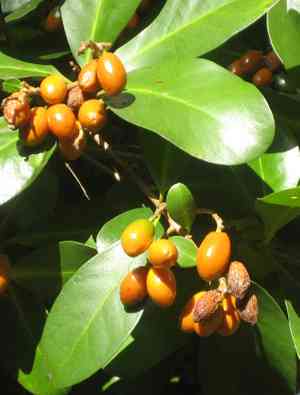
Griselinia littoralis is an evergreen tree, providing continuous foliage for your outdoor space.
2
It flourishes optimally in mild, temperate environments with soil that drains effectively.
3
Thoughtful positioning of Griselinia littoralis can greatly improve your garden's aesthetic.
Introducing New Zealand Laurel in Outdoor Spaces
Overview of New Zealand laurel as a landscaping feature
Utilizing New Zealand laurel in landscape design offers an excellent method to bring sophistication and verdure to your outdoor areas. This adaptable plant showcases lustrous green foliage and a robust form, making it a prominent element in any garden scheme. It can serve as a standalone focal point or be integrated into broader plant arrangements, providing year-round visual appeal.
Advantages of integrating New Zealand laurel into garden plans
Incorporating New Zealand laurel into your garden plans provides several benefits. Firstly, its evergreen characteristic ensures your garden remains vibrant and lush throughout all seasons. Additionally, New Zealand laurel demands relatively little upkeep, making it ideal for gardeners desiring a beautiful garden without excessive effort. Its adaptability to diverse garden aesthetics, from contemporary to classic, establishes it as a flexible option for landscapers.
Optimal Growing Conditions for New Zealand Laurel
Climatic preferences for New Zealand laurel
For New Zealand laurel to flourish, it requires a warm, temperate climate. It is well-suited to regions experiencing mild winters and warm summers. This plant tolerates frost poorly, so safeguarding it from freezing temperatures is crucial. Ideally, New Zealand laurel should be situated in spots receiving full to partial sunlight to encourage prime growth.
Soil requirements for peak development
The soil where New Zealand laurel is planted significantly impacts its growth. It favors well-drained soil with a pH ranging from neutral to slightly acidic. A loamy soil mixture is perfect as it permits adequate moisture retention while facilitating proper drainage. To improve soil quality, consider adding organic matter like compost, which helps enhance soil structure and supplies vital nutrients.
Designing with New Zealand Laurel: Strategic Placement and Companions
How to position New Zealand laurel for visual impact
Thoughtful placement of New Zealand laurel can enhance your landscape's aesthetic appeal. Consider employing it as a hedge or a backdrop for flower beds to forge a striking contrast. For a more organic appearance, plant New Zealand laurel intermittently among other shrubs and perennials. It also functions effectively as a garden centerpiece, drawing attention and anchoring surrounding plant compositions.
Selecting complementary plants for New Zealand laurel
Choosing appropriate companion plants for New Zealand laurel can boost your garden's overall beauty and health. Complementary plants such as ferns, camellias, and hydrangeas can create a rich and diverse landscape. These plants share similar soil and light needs, ensuring harmonious development. Furthermore, consider plants with contrasting textures and colors to highlight New Zealand laurel's glossy leaves and add depth to your design.
Caring for New Zealand Laurel in Your Landscape
Fundamental care guidelines for New Zealand laurel
Maintaining New Zealand laurel is quite straightforward, making it an attractive option for many gardeners. Consistent watering, especially during dry spells, is vital for keeping the plant healthy. However, be careful not to overwater, as this can lead to root rot. Pruning is also beneficial; it helps preserve the desired form and stimulates new growth. Remove any dead or damaged branches to foster a robust structure.
Seasonal care routines for New Zealand laurel
Seasonal care for New Zealand laurel involves adapting your gardening practices to meet the plant's evolving requirements. In spring, apply a balanced fertilizer to support new growth. Throughout summer, ensure steady watering, particularly during extended dry periods. In autumn, a light pruning can promote resilience through winter. Mulching around the base helps retain moisture and protect roots during colder months.
Innovative Ideas for Incorporating New Zealand Laurel in Contemporary Designs
Current trends in using New Zealand laurel for modern layouts
In contemporary landscaping, New Zealand laurel is frequently used to create sleek, minimalist designs. Its clean lines and glossy foliage make it an ideal candidate for modern gardens. Trends include utilizing New Zealand laurel in geometric patterns, such as linear hedges or sculpted topiaries, which add structure and sophistication. Pairing it with hardscaping elements, like stone paths or metal sculptures, can further emphasize its modern appeal.
Examples of successful New Zealand laurel landscape projects
Numerous successful landscape projects have effectively incorporated New Zealand laurel. For instance, a coastal garden project employed New Zealand laurel to form a lush barrier against wind while maintaining an open, airy feel. In urban settings, New Zealand laurel has been used in rooftop gardens, where its resilient nature and low-maintenance needs excel. These instances underscore the versatility and beauty of New Zealand laurel in various environments.



