Enhancing Your Garden Design with the Pampas grass Plant: A Landscaping Guide
1
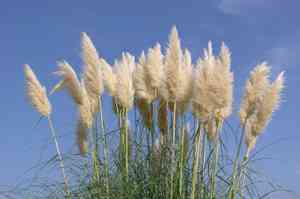
Pampas grass offers striking aesthetic appeal through its lofty, feathery inflorescences.
2
Pampas grass readily adjusts to diverse environmental conditions and ground compositions.
3
Little upkeep is needed to maintain Pampas grass's optimal appearance throughout the year.
Why Select Pampas Grass for Your Outdoor Space?
Visual Allure: Examining its Aesthetic Impact
Pampas grass is celebrated for its striking look, defined by tall, plume-like structures that introduce significant height and texture to your garden. These plumes, ranging from silvery-white to pinkish tones, gracefully sway with the breeze, creating a lively and visually engaging landscape feature. Whether utilized as a focal point, background element, or border, Pampas grass can transform any garden area with its refined and airy presence. Gardeners frequently commend its capacity to impart a sense of motion and softness to the garden, balancing more rigid and structured plantings.
Versatility: Why Pampas Grass Flourishes in Diverse Climates
Pampas grass is an exceptionally adaptable plant that thrives across various climates, making it an excellent option for gardeners in numerous regions. It can endure a range of conditions, from coastal zones with saline air to inland areas with dry, arid weather. Its adaptability also extends to soil types, growing readily in both sandy and clay soils. This resilience allows gardeners to integrate Pampas grass into different parts of their landscape without excessive concern for specific environmental needs. This robust nature is what makes Pampas grass a dependable and strong choice for enhancing garden spaces.
Upkeep: Minimal Effort for Maximum Beauty
A key attraction of Pampas grass is its low maintenance demands. Once established, it requires little care to sustain its beauty throughout the year. Infrequent watering, only during extended dry spells, and occasional trimming to remove dead leaves are typically all that's necessary. This positions Pampas grass as an excellent selection for those desiring an attractive garden without the burden of constant tending. Its disease resistance and general hardiness further contribute to its low-maintenance reputation. Gardeners can enjoy the advantages of Pampas grass without dedicating excessive time or resources to its care.
Integrating Pampas Grass into Your Garden Design
Choosing the Optimal Placement
When incorporating Pampas grass into your garden, selecting the correct spot is vital for both its development and visual effect. Pampas grass flourishes in full sun, so it's best to plant it in areas receiving at least six hours of direct sunlight daily. Additionally, consider the plant's mature dimensions, which can reach up to 10 feet in height and spread, ensuring ample room for growth without crowding nearby plants. Positioning Pampas grass in a prominent location where its plumes can be admired, such as along paths, borders, or as standalone features in open spaces, can boost your garden design's overall appeal.
Companion Plants: What Complements Pampas Grass?
Selecting companion plants for Pampas grass can enhance your garden's aesthetic and ecological balance. Consider pairing Pampas grass with plants that offer contrasting textures and complementary colors to forge a harmonious and dynamic landscape. Perennials like lavender, sedum, and ornamental sages add seasonal interest and attract pollinators, while evergreen shrubs can provide a year-round backdrop. Furthermore, incorporating flowering plants with striking blooms such as coneflowers, black-eyed Susans, or dahlias can complement the tall, wispy plumes of Pampas grass, adding layers of visual interest and variety.
Design Concepts: Crafting Focal Points and Edges
Utilizing Pampas grass strategically in your garden design can create stunning focal points and define borders effectively. As a tall and sturdy plant, Pampas grass serves well as a natural privacy screen, lining fences or property boundaries to add both beauty and seclusion. Establishing a raised bed or island feature with Pampas grass at its core can draw the eye and act as a distinctive centerpiece. Moreover, staggering Pampas grass along the edges of garden beds or pathways can form a soft, flowing border that guides the viewer's gaze through the landscape. These design techniques underscore the versatility and visual charm of Pampas grass, enabling you to enhance your garden's overall structure and allure.
Maximizing Pampas Grass Growth in Your Garden
Soil Preferences and Ground Preparation
Pampas grass adapts to various soil types but thrives best in well-draining soil. Before planting, it's beneficial to prepare the soil by adding organic matter like compost to improve fertility and drainage. If your garden's soil is heavy clay, consider amending it with sand and organic materials to enhance aeration. Planting Pampas grass on a slight mound can also aid water drainage, preventing root rot and other moisture-related issues. By ensuring the soil meets Pampas grass's ideal conditions, you'll establish a strong foundation for healthy growth and robust plumes.
Watering Methods Specific to Pampas Grass
Properly watering Pampas grass is crucial for its health and development. While established Pampas grass is drought-tolerant, newly planted specimens require consistent watering to develop strong root systems. Water deeply but infrequently, allowing the soil to dry out between waterings to prevent over-saturation. During dry periods, occasional deep watering will suffice to keep the plant thriving. It's also wise to water at the base, avoiding the foliage to reduce the risk of fungal infections. By focusing on deep, consistent watering, you can help Pampas grass maintain its vigor without excessive moisture.
Seasonal Care Advice to Encourage Health and Growth
Providing seasonal care for Pampas grass ensures it remains healthy and attractive throughout the year. In late winter or early spring, cut back the dead foliage to make way for new growth; this helps maintain its neat appearance and promotes vigorous regrowth. Mulching around the plant's base can help retain moisture and suppress weeds during the growing season. Additionally, applying a balanced fertilizer in the spring can support robust growth and flowering. These seasonal care practices are simple yet effective in maintaining the health and beauty of Pampas grass in your garden.
Common Issues When Cultivating Pampas Grass and Their Solutions
Addressing Typical Pests and Diseases
Although Pampas grass is relatively resistant to pests and diseases, occasional problems can arise. Aphids and mealybugs might infest the plant, which can be managed with insecticidal soap or a strong spray of water to dislodge them. Fungal diseases, though uncommon, can occur in overly moist conditions; ensuring proper spacing, adequate sunlight, and good air circulation can prevent these issues. If fungal infections appear, remove affected foliage and consider using a fungicide. Regular inspection and prompt action can keep Pampas grass healthy and flourishing.
Managing Overgrowth and Spread
Pampas grass can become invasive if not properly controlled. To manage its spread, regularly remove any seed heads before they disperse. Additionally, dividing the plant every few years can help control its size and prevent overcrowding. Choosing sterile cultivars can also minimize the risk of unwanted spreading. By remaining vigilant and maintaining control over the plant's propagation, you can prevent Pampas grass from overwhelming your garden while still enjoying its beauty.
Weather-Related Concerns and How to Safeguard Pampas Grass
Pampas grass is hardy but can still face weather-related challenges. In regions with harsh winters, heavy snow can damage the plumes and foliage. Protect Pampas grass by tying the foliage together in late fall to prevent breakage and provide a windbreak if your garden is exposed to strong winds. In extreme drought conditions, occasional deep watering can help the plant survive. By taking protective measures against adverse weather, you can ensure the longevity and health of Pampas grass in your garden.



