Enhancing Your Garden Design with the Pacific dogwood Plant: A Landscaping Guide
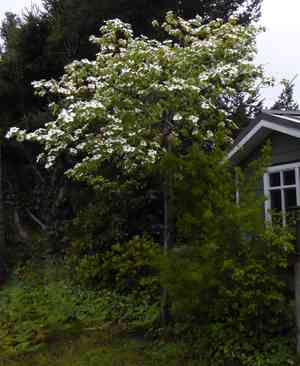
1
Pacific dogwood offers continuous aesthetic value, making it a flexible option for any garden.
2
Strategic positioning and complementary planting can improve the development and look of Pacific dogwood.
3
Consistent care is crucial for the ongoing vitality and attractiveness of Pacific dogwood.
Why Select Pacific Dogwood for Your Outdoor Area?
Inherent Visual Charm of Pacific Dogwood
Pacific dogwood is celebrated for its striking visual appeal, bringing a touch of grace and natural splendor to any outdoor setting. This plant's distinct blooms and vibrant foliage offer a unique and captivating look that can elevate your garden's aesthetic quality. The tree's flowers add a burst of color in spring, creating a focal point that draws the eye and complements other garden elements. Furthermore, its attractive bark and branch structure provide visual interest even in dormant seasons, making Pacific dogwood an excellent year-round addition to your landscape.
Year-Round Allure with Pacific Dogwood
A primary reason to integrate Pacific dogwood into your landscape is its capacity to offer continuous appeal throughout the year. In spring, the plant bursts into bloom with lovely flowers that infuse your garden with a fresh and lively atmosphere. By summer, its lush green leaves provide a cooling canopy and filtered shade, making outdoor areas more pleasant. As autumn approaches, Pacific dogwood's foliage transforms into a spectacular display of reds and oranges, offering an autumnal visual feast. Even in winter, the intricate structure and bark of Pacific dogwood maintain a presence, ensuring your garden remains attractive across all seasons.
Wildlife Attraction and Ecological Advantages
Pacific dogwood is not only a delight for the eyes but also a benefit for local wildlife. Its flowers draw various pollinators, including beneficial insects and birds, which contribute to a thriving and healthy ecosystem. Additionally, the seeds and berries produced by Pacific dogwood serve as a food source for birds and other wildlife, fostering biodiversity in your garden. By planting Pacific dogwood, you establish a mini-habitat that supports ecological balance and enhances the environmental value of your landscape.
Designing with Pacific Dogwood: Where to Begin?
Choosing the Optimal Site for Pacific Dogwood
Selecting the proper location for Pacific dogwood is crucial for its growth and survival. This plant thrives in well-drained soil with moderate moisture and benefits from a mix of sun and shade. Ideally, position Pacific dogwood where it receives morning sun and afternoon shade to mimic its natural environment. Consider planting it near patios or open areas where its stunning flowers and foliage can be admired up close. Ensure the chosen spot provides ample room for the plant to reach its full size without crowding nearby plants.
Companion Planting for Pacific Dogwood
To maximize the impact of Pacific dogwood in your landscape, consider companion planting. Select plants with complementary colors, textures, and growth habits to create a harmonious garden design. For instance, ground covers like hostas or ferns can enhance aesthetic appeal while providing beneficial shade to Pacific dogwood's roots. Additionally, pairing Pacific dogwood with flowering shrubs or perennials can create layers of color and interest throughout the growing season. Ensure companion plants have similar moisture and light requirements to foster a healthy and cohesive garden environment.
Creating Visual Anchors with Pacific Dogwood
Pacific dogwood can serve as a captivating focal point in your landscape design. Plant it in prominent areas such as the center of a garden bed, along pathways, or framed by other plants to draw attention to its unique charm. The dramatic flowers and striking foliage can anchor the garden layout, providing a visual centerpiece that enhances the overall design. Furthermore, lighting can be strategically used to highlight Pacific dogwood's features during the evening, extending its visual impact beyond daylight hours.
Maintaining the Health and Beauty of Pacific Dogwood
Fundamental Care Guidelines for Pacific Dogwood
Caring for Pacific dogwood involves a few essential maintenance practices to ensure its health and longevity. Consistent watering, especially during dry periods, is vital for this plant. Aim to keep the soil uniformly moist, but not waterlogged. Mulching around the base of Pacific dogwood helps retain moisture and regulate soil temperature. Moreover, applying a balanced fertilizer in early spring can promote vigorous growth and vibrant blooms. Regular inspection and removal of dead or diseased wood will help maintain the plant's structural integrity and aesthetic appeal.
Seasonal Care for Pacific Dogwood
Seasonal care is crucial to keep Pacific dogwood thriving throughout the year. In spring, focus on pruning to shape the plant and encourage new growth. Summer requires consistent watering and monitoring for pests or diseases. During autumn, remove fallen leaves and debris to prevent fungal issues. As winter approaches, consider protecting young plants by adding a layer of mulch to insulate the roots against extreme cold. Understanding the specific needs of Pacific dogwood for each season will ensure it remains a stunning feature in your landscape all year long.
Practical Considerations for Pacific Dogwood
While Pacific dogwood is relatively easy to maintain, it is essential to be aware of practical issues that may arise. One potential concern is its susceptibility to diseases like dogwood anthracnose, which can affect its health and appearance. Regular monitoring and preventive measures, such as proper spacing for air circulation and removing affected leaves, can mitigate this risk. Additionally, understanding the mature size of Pacific dogwood and providing adequate space for growth can prevent overcrowding and competition with nearby plants. Being proactive in addressing these practical issues will contribute to the long-term success of Pacific dogwood in your landscape.
The Impact of Pacific Dogwood in Compact vs. Expansive Areas
Using Pacific Dogwood in Smaller Gardens
Pacific dogwood can create a significant impact even in smaller gardens, provided it's planted thoughtfully. Choose dwarf or more compact varieties of Pacific dogwood that fit well within limited spaces while still offering their characteristic beauty. Position them strategically to create the illusion of a larger space by using them as vertical accents or along garden borders. Incorporating mirrors or reflective surfaces near Pacific dogwood can also enhance the perceived depth and space in your garden. By carefully planning the placement, Pacific dogwood can bring elegance and structure to compact landscapes.
Making a Statement with Pacific Dogwood in Larger Landscapes
In larger landscapes, Pacific dogwood can be used more extensively to make a bold statement. Plant multiple Pacific dogwood specimens to create a grove or a naturalistic woodland effect, enhancing the garden's visual impact and ecological richness. Using Pacific dogwood as a central feature in expansive lawns or large garden beds provides a majestic focal point that commands attention. Additionally, complementing Pacific dogwood with under-planting of spring bulbs or a variety of perennials can create a layered and dynamic landscape design that evolves through the seasons, maximizing the beauty of a large space.



