Enhancing Your Garden Design with the Flowering dogwood Plant: A Landscaping Guide
1
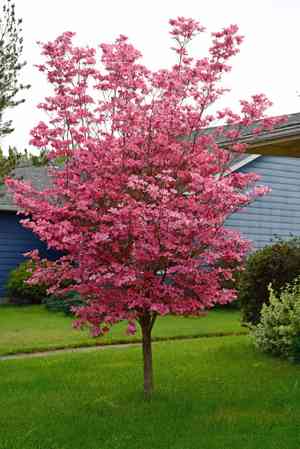
Flowering dogwood enhances your outdoor space with seasonal charm through its colorful flowers and lively leaves.
2
Placing Flowering dogwood in an area receiving some sun guarantees robust development and impressive flowers.
3
Regular care for Flowering dogwood involves adequate watering, trimming, and managing pests.
Introducing Flowering Dogwood in Garden Design
Overview of Flowering Dogwood as an Ornamental Plant
For those aiming to enhance their garden's aesthetic, Flowering Dogwood stands as an excellent option. Renowned for its impressive spring blossoms and appealing autumn leaves, it's a versatile plant that can elevate any landscape's beauty. Its vibrant flower clusters and graceful form make it a prominent feature in various outdoor settings. Beyond its visual charm, Flowering Dogwood also provides ecological advantages, such as attracting pollinators like bees and butterflies.
Advantages of Integrating Flowering Dogwood into Landscape Plans
Incorporating Flowering Dogwood into your landscape design offers numerous benefits. Firstly, it delivers year-round visual appeal, with beautiful flowers in spring, rich green foliage in summer, brilliant colors in fall, and a striking silhouette in winter. Additionally, Flowering Dogwood is generally easy to care for, making it suitable for both new and experienced gardeners. It also serves as a natural boundary or focal point, adding structure and depth to your garden layout.
Selecting the Ideal Location for Flowering Dogwood
Factors to Consider When Placing Flowering Dogwood
Choosing the correct spot for planting Flowering Dogwood is vital for its robust growth and visual impact. Evaluate elements such as soil type, drainage, and proximity to other plants. Flowering Dogwood prefers well-drained, slightly acidic soil and should be situated where it won't compete for nutrients with larger trees or shrubs. Ensure ample space for its development, typically allowing for a spread of about 20 to 30 feet.
How Light Exposure Influences Flowering Dogwood's Appearance
Light exposure significantly impacts Flowering Dogwood's growth and look. While it can endure full sun, it thrives best in partial shade, especially in warmer climates. Excessive sun can cause leaf scorch, while insufficient light may lead to fewer blooms. An optimal location provides morning sunlight and afternoon shade, helping it produce abundant flowers and maintain healthy foliage.
Design Concepts with Flowering Dogwood
Creating Focal Points Using Flowering Dogwood
One of the best applications of Flowering Dogwood in landscape design is as a central feature. Its showy flowers and attractive structure draw attention, making it a perfect centerpiece for gardens and yards. Planting Flowering Dogwood in an open area where it can be fully appreciated from various angles will maximize its effect. Pair it with complementary ground covers or low-growing shrubs to achieve a balanced and visually pleasing design.
Combining Flowering Dogwood with Other Plants for Cohesion
For a harmonious landscape, consider pairing Flowering Dogwood with other plants. Its blooms look stunning alongside early spring bulbs like daffodils and tulips. During summer, Flowering Dogwood can be aesthetically matched with hostas or ferns, which flourish in similar light and soil conditions. In the fall, its vibrant foliage can complement the rich hues of maples or oaks, creating a cohesive and seasonally dynamic landscape.
Seasonal Considerations for Flowering Dogwood
What to Expect from Flowering Dogwood Throughout the Year
Flowering Dogwood displays distinct characteristics across the year, each contributing unique beauty to your landscape. In spring, anticipate a spectacular show of blooms. Summer brings dense green leaves, providing a lush backdrop for your garden. As autumn arrives, the foliage transforms into vivid shades of red, orange, and purple, adding a stunning seasonal dimension. In winter, the bare branches of Flowering Dogwood offer a stark yet beautiful contrast to snowy landscapes.
Preparing Flowering Dogwood for Seasonal Transitions
Proper preparation is crucial for ensuring Flowering Dogwood thrives through the seasons. In late winter, prune dead or diseased branches to encourage healthy growth. Applying mulch in spring can help retain moisture and regulate soil temperature. During summer, ensure consistent watering, particularly during dry spells. As fall approaches, consider feeding Flowering Dogwood with a balanced fertilizer to boost its nutrient reserves for the upcoming dormant period.
Maintaining Flowering Dogwood in Your Garden
Essential Care Tips for Flowering Dogwood
Maintaining Flowering Dogwood involves regular watering, especially during dry periods. Mulching around the base can help retain moisture and prevent weeds. Annual pruning of dead or crossing branches promotes better air circulation and reduces disease risk. Fertilize in the spring with a balanced, slow-release fertilizer to support healthy growth and abundant blooms.
Common Problems and Simple Solutions for Flowering Dogwood
While Flowering Dogwood is relatively low-maintenance, it can encounter issues like powdery mildew, leaf spot, or pests such as borers. To combat these, ensure good air circulation around the plant and avoid overhead watering. Insecticidal soap or neem oil can help manage pests. Regularly inspect Flowering Dogwood for signs of stress or disease and act promptly to address any issues, ensuring your plant remains healthy and vibrant.



