Enhancing Your Garden Design with the Giant dogwood Plant: A Landscaping Guide
1
The distinctive branching pattern of Giant dogwood provides structural appeal to any outdoor space.
2
Giant dogwood flourishes across diverse environments, rendering it adaptable for various landscape layouts.
3
The cyclical transformations of Giant dogwood offer continuous aesthetic pleasure throughout the year.
Introducing Giant Dogwood to Your Landscape
An overview of Giant dogwood's distinct features and its aesthetic contribution to landscape design.
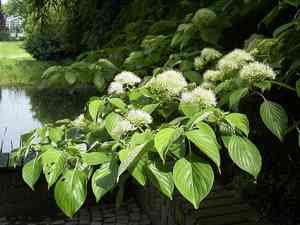
A prominent characteristic of Giant dogwood is its distinctive branching pattern. Its horizontal, layered branches create a tiered look, adding architectural appeal to any garden. The plant's large leaves offer a lush, full appearance, while its white spring blossoms evolve into clusters of dark berries that attract local wildlife. These combined attributes make Giant dogwood a remarkable element in landscape planning, providing both visual charm and ecological advantages.
Understanding the growth pattern and ultimate size of Giant dogwood.
Giant dogwood is a medium to large deciduous tree, capable of reaching heights of up to 50 feet with a similar or larger spread. Grasping its size and growth habit is crucial for landscape planning, as it needs ample room to flourish. Its slow growth rate allows for gradual integration into existing gardens, offering long-term structure without overshadowing other plants.
Seasonal transformations and their visual impact in garden settings.
Throughout the year, Giant dogwood undergoes impressive changes that enhance your landscape's visual appeal. In spring, it produces striking white flowers, followed by vibrant green foliage in summer. By autumn, the leaves turn a reddish-purple, creating a vivid display. Even in winter, the tree's elegant form and bark provide visual interest. These seasonal shifts make Giant dogwood a dynamic addition to any garden, guaranteeing year-round beauty.
Strategic Placement of Giant Dogwood in Gardens
Ideal locations for planting Giant dogwood to maximize its visual impact.
Placing Giant dogwood where its layered branches can be fully appreciated is key. It thrives in full sun to partial shade and prefers well-drained soil. Consider planting it near patios, alongside paths, or as a solitary specimen in open areas where its unique structure can be a focal point. The goal is to select a spot with enough space for it to expand, ensuring it doesn't overcrowd other plants.
How to integrate Giant dogwood with existing plants and garden features.
Giant dogwood can be beautifully complemented by various plants and features. Underplanting with shade-loving perennials and groundcovers can heighten visual contrast. Combine it with smaller trees and shrubs that offer diverse textures and colors for a multi-layered effect. Hardscape elements like benches or garden sculptures positioned near Giant dogwood can emphasize its architectural beauty, while water features can reflect its graceful branches, fostering a tranquil ambiance.
Utilizing Giant dogwood as a central element in your landscape design.
Given its distinctive shape and year-round appeal, Giant dogwood serves as an excellent focal point in landscape design. Position it in a prominent spot where it can be admired from multiple perspectives. Its stunning spring blooms and rich autumn colors can act as visual anchors in your garden. Designing pathways or garden beds that draw the eye towards Giant dogwood can reinforce its role as a centerpiece, making it a vital component of your landscape.
Cultivating a Harmonious Landscape with Giant Dogwood
Advice for achieving visual equilibrium using Giant dogwood's height and form.
Achieving visual balance with Giant dogwood involves considering its height and structure in relation to nearby plants. Plant taller companions close by to create a flowing effect, or use low-growing shrubs and ground covers to emphasize its stature. Balance its dense foliage with plants that have finer textures or lighter colors to ensure Giant dogwood stands out without dominating the area.
Selecting compatible plants that flourish alongside Giant dogwood.
Choosing companion plants that thrive with Giant dogwood improves the overall health and beauty of your garden. Consider shade-tolerant perennials like hostas and ferns that can grow well beneath its canopy. Flowering shrubs and groundcovers that prefer similar soil conditions can complement its seasonal changes. Ensure the companions have varied bloom times to extend visual interest throughout the year.
Long-term advantages of incorporating Giant dogwood into your garden.
Adding Giant dogwood to your garden offers numerous long-term benefits, including increased biodiversity and ecological value. Its flowers attract pollinators, while its berries provide sustenance for birds. The tree's canopy offers refuge for wildlife, contributing to a more vibrant ecosystem. Furthermore, Giant dogwood's robust structure and resistance to pests and diseases make it a low-maintenance yet highly impactful addition to your landscape.
Seasonal Care Guidelines for Giant Dogwood
General upkeep requirements throughout the year.
Giant dogwood needs minimal upkeep, but some routine care will ensure its health and beauty. Consistent watering, especially during dry periods, helps young trees establish. Mulching around the base aids in moisture retention and weed suppression. Fertilize in early spring with a balanced fertilizer to support growth. Periodically checking for pests and diseases ensures early detection and treatment, maintaining the tree's vigor.
Preparing Giant dogwood for various weather conditions.
Preparing for different weather conditions is crucial for Giant dogwood. In winter, consider adding a layer of mulch around the base to shield the roots from freezing temperatures. During hot summers, ensure adequate watering to prevent stress. In areas with heavy snowfall, the branches may require protection or support to prevent breakage from excessive weight. This seasonal care ensures that Giant dogwood remains strong and healthy year-round.
Pruning and maintenance tips to preserve health and appearance.
Pruning Giant dogwood is essential for shaping and removing any dead or diseased branches. The optimal time to prune is in late winter or early spring before new growth begins. Focus on maintaining its natural form, removing any crossing or crowded branches. Regular pruning not only enhances its appearance but also promotes healthier growth and prevents potential issues, ensuring Giant dogwood remains a stunning feature in your landscape.



