Enhancing Your Garden Design with the Pagoda dogwood Plant: A Landscaping Guide
1
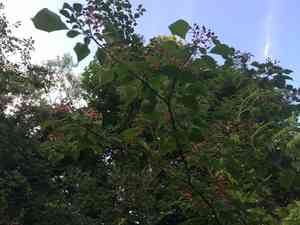
The Pagoda dogwood is recognized for its distinctive layered branch arrangement, enhancing the aesthetic appeal of any garden.
2
Appropriate placement and upkeep of Pagoda dogwood can greatly improve your landscape's overall look.
3
Incorporating Pagoda dogwood alongside suitable companion plants can lead to a balanced and unified garden aesthetic.
Introducing Pagoda Dogwood in Garden Design
Overview of Pagoda dogwood and its distinctive characteristics
For those aiming to infuse grace and individuality into their outdoor space, Pagoda dogwood is an excellent selection. This plant is recognized by its horizontally layered branch pattern, which gives it a pagoda-like appearance. The branches form a tiered effect that is prominent in any setting. With its intricate, alternating foliage and clusters of white blooms in late spring, Pagoda dogwood offers a mix of elegance and charm. Its blue-black fruits are not only visually appealing but also draw birds, enhancing your garden's ecological diversity.
Key advantages: Why Pagoda dogwood is an excellent garden choice
Pagoda dogwood offers more than just visual appeal. A key attribute is its adaptability. It thrives in various light conditionsâperforming well in both full sun and partial shade. Furthermore, Pagoda dogwood requires relatively little upkeep, making it suitable for both new and experienced gardeners. Its resilience to common pests and diseases also makes it a dependable option. Lastly, the plant's distinctive form can act as a focal point in garden layouts, drawing attention and adding depth to your landscape composition.
Selecting the Optimal Site for Pagoda Dogwood
Understanding light exposure and soil requirements
Choosing the ideal location for Pagoda dogwood is vital for its vitality and visual appeal. This plant prefers moist, well-drained soil rich in organic matter. While it can tolerate various soil types, including clay and sandy soils, the optimal pH level should range from slightly acidic to neutral. Regarding sunlight, Pagoda dogwood is quite flexible. It can flourish in full sun but also performs well in partial shade, making it suitable for diverse garden environments. However, excessive shade might impede its flowering, so aim for a balanced exposure.
Positioning Pagoda dogwood for visual impact and health
To maximize Pagoda dogwood's aesthetic contribution to your garden, consider its placement carefully. Position it where its layered branches can be fully appreciated, either as a standalone specimen or as part of a larger planting scheme. Consider using it as a backdrop for smaller shrubs or perennials, which can highlight its unique structure. Ensure it has ample room to grow both horizontally and vertically. Proper spacing will not only enhance its visual appeal but also promote good air circulation, reducing the risk of fungal issues.
Integrating Pagoda Dogwood with Other Plants
Companion plants that pair well with Pagoda dogwood
Incorporating Pagoda dogwood with other plants can elevate your garden's overall aesthetic. Consider pairing it with shade-loving perennials like ferns and hostas to create a lush, layered effect. Flowering plants such as azaleas or rhododendrons can introduce vibrant color contrasts with Pagoda dogwood's foliage. Evergreens like boxwoods or hollies can provide year-round structure and interest, ensuring your garden remains appealing even in winter.
Tips for achieving a harmonious plant arrangement
Creating a harmonious plant arrangement requires careful planning and attention to detail. Begin by considering the mature size of each plant to ensure they have adequate space to grow without overcrowding. Arrange plants based on their height, with taller plants like Pagoda dogwood at the back and shorter plants in the front. This not only allows for better visibility but also ensures each plant receives sufficient sunlight. Use contrasting colors and textures to add visual interest, but strive for a balanced composition to avoid a chaotic appearance.
Seasonal Considerations for Pagoda Dogwood
What to anticipate from Pagoda dogwood throughout the year
Pagoda dogwood offers year-round appeal, making it a superb addition to any garden. In spring, expect a delightful display of creamy-white blossoms that attract pollinators. Summer brings lush, green foliage that provides shade and cools the landscape. In autumn, the leaves of Pagoda dogwood transform into a striking deep maroon or reddish-purple, offering seasonal vibrancy. Even in winter, the tree's distinctive branching structure stands out against the snow, providing architectural interest when most other plants are dormant.
Adapting your garden landscape as seasons change
To maintain your garden's optimal appearance throughout the year, it's crucial to adjust your landscaping practices with the changing seasons. In spring, consider mulching around Pagoda dogwood to retain moisture and suppress weeds. Summer may necessitate regular watering, especially during dry periods, to keep the soil consistently moist. In fall, a layer of compost can enrich the soil and prepare Pagoda dogwood for winter. Pruning during its dormant period can help maintain its shape and remove any dead or diseased branches, ensuring vigorous growth in the coming year.
Long-term Advantages of Including Pagoda Dogwood in Your Garden
Ecological benefits of cultivating Pagoda dogwood
Integrating Pagoda dogwood into your garden offers numerous ecological advantages. The plant's flowers attract a variety of pollinators, including bees and butterflies, contributing to the overall health of your local ecosystem. Its berries serve as a food source for birds, promoting biodiversity. Additionally, its deep root system helps stabilize soil, reducing erosion and benefiting the environment. Pagoda dogwood also aids in improving air quality by absorbing pollutants and producing oxygen.
Enhancing property value and aesthetic appeal
Including Pagoda dogwood in your landscaping can significantly boost your property's value and curb appeal. Its striking appearance and unique structure can make your garden stand out, attracting potential buyers and impressing guests. A well-maintained garden featuring Pagoda dogwood can be a selling point, showcasing your commitment to creating a beautiful, sustainable landscape. Moreover, the lasting beauty and minimal maintenance requirements of Pagoda dogwood make it a practical yet stunning addition.



