Enhancing Your Garden Design with the Siberian dogwood Plant: A Landscaping Guide
1
Siberian dogwood flourishes in diverse soil conditions, offering great adaptability for different garden environments.
2
The vivid branches of Siberian dogwood offer a notable visual distinction in winter landscapes.
3
Appropriate care and positioning of Siberian dogwood can greatly improve your outdoor space's beauty.
Introducing Siberian Dogwood to Your Landscape
Exploring the distinct features of Siberian dogwood
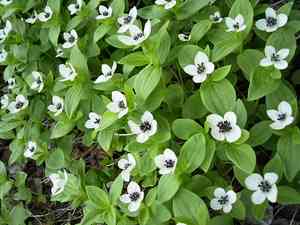
When designing a garden, incorporating Siberian dogwood can introduce a lively and visually appealing element. Renowned for its vivid red branches, particularly striking in winter, Siberian dogwood offers a sharp contrast to the often muted tones of colder seasons. Its foliage transforms throughout the year, displaying green leaves in spring and summer, then shifting to a deep burgundy in autumn. Furthermore, Siberian dogwood produces white blossoms and berries, contributing to a varied visual display. These unique attributes make Siberian dogwood an excellent choice for any landscape plan.
The visual impact of Siberian dogwood in garden design
The aesthetic contribution of Siberian dogwood to your garden is significant. Its bright red stems in winter can serve as a focal point in otherwise barren areas, drawing attention and adding visual interest. In gardens designed for multiple seasons, Siberian dogwood guarantees continuous beauty. During spring and summer, its lush green leaves fill spaces with natural vibrancy, while its autumn transformation to deep reds and purples complements fall themes. The presence of flowers and berries also attracts birds and pollinators, enhancing both the visual and ecological value of your garden.
Selecting the Optimal Site for Siberian Dogwood
Key considerations for choosing a planting location
Choosing the ideal spot for Siberian dogwood involves several crucial factors. First, understand the plant's spatial requirements; it tends to spread, so allow ample room for development. Evaluate visibility from various garden points, ensuring the bright red stems will be noticeable in winter from key viewpoints. Additionally, consider its proximity to other plants to prevent overcrowding and competition for resources. Finally, think about the microclimate of the potential site, as Siberian dogwood prefers cooler surrounding conditions.
Preferred soil and light conditions for Siberian dogwood
Siberian dogwood is a resilient plant that adapts well to diverse soil types, from clay to sandy loam, provided the soil drains effectively. While it tolerates various light conditions, it thrives best in full sun to partial shade. Full sun promotes the most intense and consistent coloration of its stems and foliage. Ensure the soil remains moist, especially during warmer months, as Siberian dogwood flourishes in moderately damp environments. Incorporating organic mulches can help maintain soil moisture and enhance soil health over time.
Integrating Siberian Dogwood with Other Plants
Companion plants that complement Siberian dogwood
The selection of companion plants can heighten the visual appeal of Siberian dogwood in your landscape. Consider pairing it with evergreens like junipers or pines, which provide a consistent green backdrop that allows the red stems to stand out in winter. Other deciduous shrubs, such as hydrangeas or spireas, can also create impressive seasonal displays alongside Siberian dogwood. Perennials with contrasting textures, like hostas and ferns, add variety and depth to mixed plantings. Additionally, flowering plants like tulips or daffodils can create a vibrant spring palette when planted near Siberian dogwood.
Creative ideas for mixed planting schemes
When designing mixed plantings with Siberian dogwood, aim for layers of height and color. Position Siberian dogwood at the middle or back of mixed borders to anchor the space and draw the eye upwards. Interplanting with early spring bulbs ensures a continuous display of color before Siberian dogwood fully leafs out. Use sweeping drifts of groundcovers at the base to soften the transition from shrub to garden bed. In larger landscapes, grouping multiple Siberian dogwood plants can create a striking visual mass, especially when combined with grasses or low shrubs that offer textural contrast.
Seasonal Adaptations for Siberian Dogwood
How Siberian dogwood transforms throughout the year
Understanding the seasonal evolution of Siberian dogwood can help you maximize its visual impact. In spring, the plant bursts with fresh green leaves and delicate flowers. Summer brings a full foliage canopy with potential berry production, which can attract wildlife. Come autumn, the leaves shift to a deep burgundy, preparing for the dramatic winter display of red stems. These seasonal changes ensure that Siberian dogwood remains an interesting and engaging element of your landscape year-round.
Preparing for diverse weather conditions
Preparing Siberian dogwood for varying weather conditions involves proactive care. During warmer months, ensure consistent watering, especially during dry spells, to maintain soil moisture levels. Applying mulch can help retain moisture and regulate soil temperature. In colder climates, while Siberian dogwood is resilient, consider windbreaks to protect it from harsh winter winds, which can dry out the stems. Prune in late winter or early spring to remove dead or damaged wood, encouraging healthy new growth and vibrant stem color in the subsequent season.
Siberian Dogwood Landscape Maintenance Tips
Regular care practices for Siberian dogwood
Routine care for Siberian dogwood includes consistent watering, particularly during dry periods, to keep the soil moist. Mulching aids in moisture retention and weed suppression, fostering a more favorable growing environment. Pruning is crucial; annually trim older stems of Siberian dogwood to stimulate new growth, which typically exhibits the brightest coloration. Fertilizing in early spring with a balanced, slow-release fertilizer can promote healthy growth and vibrant foliage. Monitoring for pests and diseases also ensures that Siberian dogwood remains healthy and thriving in your landscape.
Common problems and their solutions
Despite its hardiness, Siberian dogwood can encounter common issues such as fungal diseases, aphids, and scale insects. Regular inspection and prompt treatment with appropriate fungicides or insecticides can manage these problems. Ensuring proper air circulation through strategic planting and regular pruning can prevent fungal infections. Aphids and scale insects can be controlled with horticultural oils or beneficial insects like ladybugs. Maintaining overall plant health through good cultural practices, such as adequate watering and mulching, reduces the likelihood of significant issues.



