Enhancing Your Garden Design with the Whorled tickseed Plant: A Landscaping Guide
1
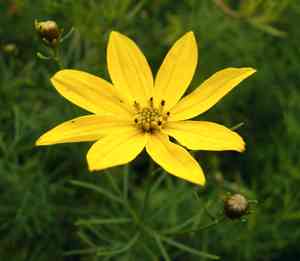
Coreopsis verticillata is recognized for its vibrant yellow blooms that can illuminate any garden area.
2
Coreopsis verticillata flourishes in diverse soil conditions and resists drought, making it a adaptable option for garden design.
3
This flora is beneficial for drawing in pollinators, which can enhance your garden's general well-being.
Introducing Whorled Tickseed in Garden Design
Overview of Whorled tickseed's visual appeal and characteristics
Whorled tickseed brightens any garden with its vivid yellow blossoms and delicate, airy texture. Its flowers create a cheerful, sunny focal point, and its finely divided leaves offer a lush green backdrop that beautifully contrasts with other plants. Whether you aim to enliven a dull area or add a burst of color to your perennial border, Whorled tickseed is an excellent choice.
Whorled tickseed's native environment and adaptability
Originating in prairies and meadows, Whorled tickseed adapts well to various growing conditions. It flourishes in full sun but can endure partial shade, making it suitable for diverse garden spots. Furthermore, Whorled tickseed is drought-tolerant and grows effectively in different soil types, from sandy to clayey, making it a versatile addition to your landscaping plans.
Designing with Whorled Tickseed: Initial Steps
Evaluating your garden area and environmental factors
Before integrating Whorled tickseed into your landscape design, assess your garden's space and environmental conditions. Ensure you have a sunny location with good drainage. Consider the mature plant's size, which can spread up to 2-3 feet, to prevent overcrowding. A thorough evaluation will help establish a thriving environment for Whorled tickseed.
Choosing suitable companion plants for Whorled tickseed
Selecting complementary plants for Whorled tickseed can enhance your garden's overall attractiveness. Opt for plants with contrasting foliage colors, such as purple salvias or blue asters, to make Whorled tickseed's yellow blooms stand out. Additionally, choosing plants with similar water and sunlight needs ensures all your plants flourish together.
Integrating Whorled tickseed into various garden themes
Whorled tickseed can be a key element in diverse garden themes, from formal designs to wildflower meadows. In a cottage garden, pair Whorled tickseed with other perennials like lavender and coneflowers for a charming, informal look. For a more structured design, use Whorled tickseed along borders or pathways, adding brightness and visual interest to your routes.
Advantages of Adding Whorled Tickseed to Your Garden
Ecological benefits: attracting pollinators and boosting biodiversity
A significant ecological benefit of planting Whorled tickseed is its capacity to draw in pollinators like bees and butterflies. These beneficial insects not only assist in pollination but also enrich your garden's biodiversity, leading to a more resilient and healthy ecosystem.
Maintenance: Understanding Whorled tickseed's low-care requirements
Whorled tickseed is renowned for its low-maintenance nature, making it ideal for both new and experienced gardeners. It needs minimal watering once established and resists many common pests and diseases. With just occasional deadheading to encourage continuous blooming, Whorled tickseed will reward you with lasting displays of vibrant flowers.
Seasonal Considerations for Whorled Tickseed
Optimal planting times for Whorled tickseed's best growth
The best time to plant Whorled tickseed is in spring or early fall when the weather is cooler and the soil remains warm. Planting during these periods allows roots to establish before summer or winter extremes. Ensure you water newly planted Whorled tickseed regularly until it is well-established.
How Whorled tickseed transforms throughout the year
Throughout the growing season, Whorled tickseed undergoes several pleasing changes. In early spring, its foliage begins to emerge, followed by an abundance of bright yellow flowers from late spring to early fall. As the season progresses, the flowers may fade, but the plant's unique structural form continues to add interest to the garden year-round.
Quick Tips for Incorporating Whorled Tickseed into Your Landscape
Recommended placements and spacing for Whorled tickseed
For maximum visual impact, plant Whorled tickseed in clusters or masses rather than as individual plants. Allow about 1-2 feet of space between plants for adequate growth. Ideal spots include sunny borders, pathway edges, or as part of mixed perennial beds.
Final checklist before planting Whorled tickseed
Before planting Whorled tickseed, confirm the site has well-draining soil and receives full sun to partial shade. Double-check spacing to prevent overcrowding. Prepare the soil by loosening it and adding compost if necessary. Water the plant thoroughly after planting and mulch around the base to retain moisture and suppress weeds.



