Enhancing Your Garden Design with the Large-flowered tickseed Plant: A Landscaping Guide
1
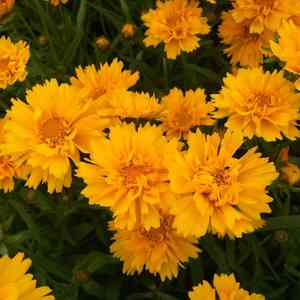
Coreopsis grandiflora is recognized for its vibrant, joyful yellow blossoms that can brighten any outdoor space.
2
Including Coreopsis grandiflora can draw helpful pollinators such as bees and butterflies into your garden.
3
Coreopsis grandiflora needs little upkeep, making it a sensible option for both new and seasoned gardeners.
An Introduction to Coreopsis grandiflora in Garden Design
A brief overview of Coreopsis grandiflora's visual traits
Coreopsis grandiflora brightens any garden with its brilliant yellow blossoms, resembling a sunburst. These flowers typically form in clusters, creating a striking visual effect that draws the eye. Its rich green leaves complement the vibrant blooms, offering a lovely contrast that boosts its overall appeal. The plant can reach heights of 2-3 feet, making it perfect for adding elevation and texture to your landscape plan.
The popularity of Coreopsis grandiflora in contemporary landscaping
Coreopsis grandiflora has become popular in modern landscaping due to its vivid colors and simple cultivation. Its capacity to flower continuously from early summer to autumn guarantees a lasting display of color in any garden setting. Landscape designers and gardening enthusiasts value its hardiness and adaptability to various soil types and climates, making it a versatile choice for diverse landscaping projects.
Integrating Coreopsis grandiflora into Various Landscape Themes
Utilizing Coreopsis grandiflora in formal garden environments
In formal garden settings, Coreopsis grandiflora can be employed to craft structured, balanced designs. Planting it in distinct rows or geometric patterns can lend an air of sophistication and order to your garden. Its consistent flowering and vibrant hue make it an excellent option for borders, pathways, or garden beds where a refined, elegant appearance is desired.
Relaxed and natural garden styles featuring Coreopsis grandiflora
For a more laid-back and naturalistic garden aesthetic, Coreopsis grandiflora fits perfectly with its informal charm and wild-flower appeal. Scattering it throughout a meadow-inspired garden or grouping it with other native flora can establish a tranquil and inviting space. Its natural growth habit blends seamlessly with other perennials and grasses, fostering a balanced and harmonious landscape.
Combining Coreopsis grandiflora with other plants for visual contrast
Pairing Coreopsis grandiflora with plants of differing colors, textures, and heights can produce stunning visual contrasts in your garden. Matching Coreopsis grandiflora with purple coneflowers, blue salvias, or red zinnias can result in a vibrant, eye-catching display. Furthermore, mixing it with foliage like ornamental grasses or ferns can accentuate its bright blooms and add depth to your garden composition.
Seasonal Cycles and Their Influence on Coreopsis grandiflora's Appearance
What to anticipate from Coreopsis grandiflora in spring and summer
During spring and summer, Coreopsis grandiflora bursts into full bloom, showcasing its bright yellow flowers. This period is when the plant is most vibrant, providing continuous color and attracting pollinators such as bees and butterflies. Regular irrigation and appropriate fertilization during these seasons can enhance its blooming performance, ensuring your garden remains lively and colorful.
Changes in Coreopsis grandiflora during autumn and winter
As autumn approaches, the blossoms of Coreopsis grandiflora may begin to fade, but its foliage can still offer a pleasant green backdrop in your garden. In winter, Coreopsis grandiflora will typically die back, especially in colder climates, but rest assuredâit often self-seeds and will return with vigor in the spring. Applying mulch around the base can protect the roots during harsh winters, ensuring the plant's survival and regrowth.
Advantages of Coreopsis grandiflora Beyond Its Beauty
Environmental benefits of incorporating Coreopsis grandiflora into your garden
Coreopsis grandiflora provides several environmental advantages, such as attracting beneficial insects and pollinators, which are vital for a healthy garden ecosystem. Its flowers supply nectar and pollen, supporting local bee and butterfly populations. Additionally, it can aid in preventing soil erosion, thanks to its dense and fibrous root system.
Maintenance advantages - reasons Coreopsis grandiflora is a practical choice
Coreopsis grandiflora is a low-maintenance plant, making it an appealing option for gardeners of all skill levels. It requires minimal watering once established and is relatively pest-resistant. This reduces the need for chemical interventions, promoting an eco-friendly gardening approach. Its ability to thrive in various soil conditions and its drought tolerance further enhance its practicality.
FAQs: Quick Advice for Starting with Coreopsis grandiflora
Selecting the ideal location for Coreopsis grandiflora in your outdoor space
Coreopsis grandiflora thrives best in full sun, so choose a spot in your yard that receives at least 6-8 hours of direct sunlight daily. Ensure the soil drains well to prevent waterlogging, which can harm the plant. Consider areas where you wish to add a bright, cheerful touch to your landscape.
Pairing Coreopsis grandiflora with complementary elements
To maximize the visual impact of Coreopsis grandiflora, combine it with plants that complement its vibrant yellow hues. Blue or purple flowering plants offer striking contrasts, while pairing it with green foliage plants can create a balanced, cohesive look. Furthermore, incorporating garden accessories like rustic pots or decorative stones can enhance the overall aesthetic appeal.



