Enhancing Your Garden Design with the Ti plant Plant: A Landscaping Guide
1
Cordyline fruticosa flourishes in warm, humid regions.
2
It serves as a striking centerpiece in landscape planning.
3
Care practices must be adapted to seasonal variations.
Introducing the Ti Plant in Landscape Design
Appreciating the visual appeal of the Ti plant
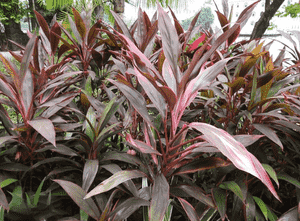
The Ti plant is a visually striking specimen, recognized for its vivid foliage that spans shades from green to red, purple, and pink. This makes it an outstanding option for injecting a burst of color into your garden. Its broad, shiny leaves and upright growth habit lend an exotic flair that can transform any outdoor space into a tropical haven. Whether utilized as a focal point or integrated into a broader planting scheme, the Ti plant can invigorate and brighten your exterior environment.
The Ti plant's role in tropical and subtropical settings
The Ti plant is a fundamental element in tropical and subtropical garden designs. Its lush and vibrant presence can evoke a genuine jungle-like ambiance. Its capacity to seamlessly integrate with other tropical flora, such as ferns and palms, establishes it as a versatile choice for crafting themed landscapes. Given its native environment, it flourishes in warm, humid conditions, preferring filtered sunlight, making it ideal for shaded garden beds and under-tree plantings.
Brief advice on climate suitability for the Ti plant
The Ti plant thrives best in USDA zones 10-12, where the climate remains warm and humid throughout the year. If you reside in a cooler region, consider cultivating Ti plants in containers that can be moved indoors during colder months. Ensuring sufficient humidity and preventing frost exposure will maintain the plant's health and vibrancy across all seasons.
Designing with the Ti Plant: Arrangement and Style
Integrating the Ti plant into focal points
The vibrant colors and distinctive shape of the Ti plant make it an excellent selection for creating focal points in your garden. Positioning Ti plants strategically, such as near entryways, along walkways, or in the center of garden beds, can attract attention and generate visual interest. Its lively foliage can illuminate any area, making it a prominent feature among other greenery.
Harmonizing color and texture with other flora
To maximize the Ti plant's aesthetic qualities, consider pairing it with plants that complement its hues and textures. Ferns and grasses with delicate, fine leaves can create a beautiful contrast with the Ti plant's broad and bold foliage. Additionally, selecting plants with complementary colors, such as deep greens or softer pastel shades, can enhance the overall visual appeal of your garden.
Achieving contrast and balance in your garden
Effective garden design often relies on a balance between contrast and harmony. The Ti plant offers both, with its ability to stand out while also blending in. Utilize it to create striking contrasts against more subdued plants, or combine it with similarly vibrant species to build a cohesive, colorful garden theme. Whether your aim is to establish a tranquil retreat or a lively, dynamic space, the Ti plant can help you achieve it.
Planting and Positioning the Ti Plant for Maximum Effect
Selecting the optimal site for the Ti plant
The Ti plant performs best in locations that mimic its natural habitat. Choose a spot with partial to deep shade, as excessive direct sunlight can scorch its leaves. Ensure the soil is well-draining yet retains adequate moisture, as the Ti plant prefers slightly damp conditions. Avoid areas prone to waterlogging, as this can lead to root rot.
Considerations for grouping and spacing
When planting the Ti plant, consider its eventual growth and spread. Provide ample space between plants to accommodate their mature size, typically 3 to 4 feet apart, to prevent overcrowding. Grouping several Ti plants together can create a lush, exotic display. Alternatively, spacing them out can highlight their individual beauty and reduce competition for resources.
Companion plants that enhance the Ti plant
Choosing suitable companion plants for the Ti plant can amplify its beauty and foster a healthy garden ecosystem. Plants with similar moisture and light requirements, such as philodendrons, bromeliads, and caladiums, are excellent choices. These companions can introduce variety in texture and color, complementing the Ti plant's striking appearance and creating a balanced and attractive landscape.
Seasonal Care Guidelines for the Ti Plant
Adapting care with the seasons: A concise guide
The care requirements for the Ti plant can vary with the seasons. During the active growth period (spring and summer), ensure it receives consistent watering and monthly feeding with a balanced fertilizer. As temperatures decrease in fall and winter, reduce watering frequency and cease fertilizing to allow the plant to rest. Indoor plants may require additional humidity during winter, which can be provided with a humidifier or regular misting.
Key weather considerations for the Ti plant
The Ti plant is not tolerant of frost, so safeguarding it from cold snaps and freezing temperatures is essential. In regions with mild winters, applying mulch around the base can offer some insulation. For harsher climates, relocating potted Ti plants indoors or to a sheltered spot will prevent damage. Pay attention to temperature fluctuations and adjust care practices accordingly to keep your Ti plant thriving throughout the year.
Common Challenges in Cultivating the Ti Plant and Solutions
Addressing typical pests and diseases
Like all plants, the Ti plant can be vulnerable to pests such as aphids, spider mites, and scale insects. Regularly inspecting your plants and employing appropriate treatments, such as insecticidal soap or neem oil, can help manage these issues. Fungal diseases, like leaf spot and root rot, can be minimized by ensuring good air circulation and avoiding overwatering.
Managing environmental stressors for the Ti plant
Environmental stressors such as excessive sun exposure, drought, and poor soil conditions can negatively impact the Ti plant's health. Providing adequate shade, consistent moisture, and fertile, well-draining soil will alleviate these stressors. Amending the soil with organic matter and maintaining mulching practices can also improve growth conditions and reduce stress on the plant.
Effective problem-solving strategies
Troubleshooting issues with the Ti plant involves observing symptoms and making appropriate adjustments. Yellowing leaves may indicate overwatering or nutrient deficiencies; addressing these can involve modifying watering schedules or applying fertilizers. If pests are detected, prompt treatment is crucial to prevent infestations from spreading. Regular monitoring and proactive care can keep your Ti plant healthy and vibrant.



