Enhancing Your Garden Design with the Cabbage tree Plant: A Landscaping Guide
1
The Cabbage tree contributes both aesthetic appeal and foundational structure to any garden setting.
2
Proper positioning and care are crucial for maximizing the Cabbage tree's attractiveness.
3
The Cabbage tree integrates seamlessly with diverse flora, offering continuous charm throughout the year.
Understanding the Fundamentals of Cabbage Tree in Landscape Design
The aesthetic impact of Cabbage tree in contemporary landscaping
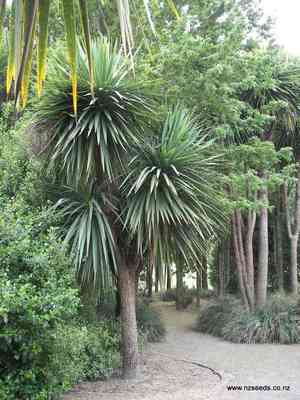
The aesthetic impact of the Cabbage tree is undeniable. Its distinctive, sword-shaped foliage and impressive stature make it a prominent element in any garden. Whether utilized as a central point of interest or as part of a lush, green border, the Cabbage tree captures attention. Its striking silhouette can establish dynamic vertical lines that guide the eye upwards, adding depth and visual interest to your outdoor space.
Cabbage tree growth habits and suitable environmental conditions
The Cabbage tree flourishes in moderate climates but can also adapt to various environmental conditions. Renowned for its resilience, it can endure both full sun exposure and partial shade, making it a versatile option for many gardeners. Its growth rate is relatively slow, reaching up to 20 meters over many years, which means it requires minimal pruning while retaining its form and beauty for extended periods.
Color and texture contrasts provided by Cabbage tree
One of the most appealing aspects of the Cabbage tree is the color and texture contrast it offers. Its long, green leaves possess a glossy texture that reflects light, imparting a shimmering quality to your garden. Furthermore, varieties with red or purple-tinted leaves can offer a striking color contrast against the green foliage of surrounding plants.
Selecting the Optimal Location for Cabbage Tree in Your Garden
Factors to consider for ideal placement
Choosing the correct spot for your Cabbage tree in your garden is vital for its development and visual appeal. Take into account the plant's mature dimensions and ensure it has ample room to expand both vertically and horizontally. It's also crucial to consider the plant's exposure to wind and its proximity to other structures to prevent any potential obstructions.
Sunlight and shade requirements for Cabbage tree
The Cabbage tree is quite adaptable but performs best with the right balance of sunlight and shade. While it can tolerate full sun, it also thrives in partial shade, where it receives morning sun but is shielded from the intense afternoon rays. Providing the appropriate light exposure will help maintain its vibrant foliage and overall health.
Creating focal points using Cabbage tree
The Cabbage tree can be effectively employed to establish focal points in your garden design. By positioning it at entryways, along pathways, or in the center of planting beds, you can draw attention and direct the viewer's gaze. Its towering presence and architectural form make it ideal for adding height and drama to your landscape.
Design Concepts Incorporating Cabbage Tree
Cabbage tree as a solitary feature: Structural concepts
The Cabbage tree makes a stunning solitary feature in a minimalist garden design. Plant it in a decorative container or feature pot to emphasize its sculptural qualities. Alternatively, place it in a garden bed with mulch or gravel to highlight its architectural form and keep the focus on its striking appearance.
Enhancing Cabbage tree with other plant species
Complement the Cabbage tree with a blend of both colorful and textural plants to create a balanced landscape. Pair it with ornamental grasses, succulents, or flowering perennials to amplify its visual impact. The contrast between the Cabbage tree's broad, glossy leaves and the fine textures of these companion plants will result in an engaging and harmonious garden design.
Seasonal considerations for year-round attractiveness
Planning for year-round appeal is essential when integrating the Cabbage tree into your landscape. This plant remains attractive throughout the year, but you can enhance its presence by planting seasonal flowers and shrubs that bloom at different times. This ensures that your garden always has something interesting to offer, even when the Cabbage tree is not the primary focus.
Care Guidelines for Landscaping with Cabbage Tree
Fundamental maintenance recommendations
Maintaining the Cabbage tree is relatively straightforward. Consistent watering, particularly during dry spells, and occasional fertilization with a balanced feed will keep it healthy. Promptly removing dead or damaged leaves will ensure your plant always looks its best. Additionally, regular checks for pests and diseases will help manage any issues before they become significant problems.
Addressing common landscaping challenges with Cabbage tree
While the Cabbage tree is generally robust, it can encounter problems like frost damage or root rot in poorly draining soils. To mitigate these challenges, ensure proper soil drainage by amending the soil with organic matter or planting the Cabbage tree on a slight mound. Mulching around the base can also help retain moisture and protect the roots from extreme temperatures.



