Enhancing Your Garden Design with the Mexican olive Plant: A Landscaping Guide
1
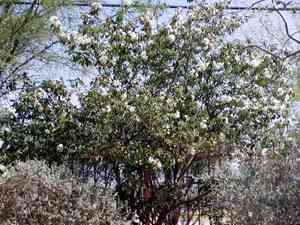
The Mexican olive tree can introduce a lively burst of color to any outdoor space.
2
It flourishes optimally in soil that drains well and receives ample sunlight.
3
Beyond its visual charm, the Mexican olive provides ecological advantages, including drawing in beneficial pollinators.
Introducing Mexican olive to Your Garden
Why Choose Mexican olive for Landscaping?
Incorporating Mexican olive into your landscape designs offers numerous advantages. This adaptable plant is recognized for its striking blossoms and abundant foliage, making it an excellent option for enhancing visual appeal. Beyond its beauty, Mexican olive requires relatively little upkeep, ideal for both new and experienced gardeners. Furthermore, it adapts well to various soil types and climate conditions, increasing its practicality for diverse garden environments.
Initial Steps for Planting Mexican olive
Prior to planting Mexican olive, preparation is crucial for ensuring successful establishment. Begin by selecting robust young plants or seeds from a reputable supplier. Prepare the soil by ensuring it drains well and is rich in organic material. Dig a hole twice as wide and as deep as the root ball. Position the plant in the hole and backfill with soil, making sure no air pockets remain. Water thoroughly to help the roots settle.
Choosing the Ideal Location for Mexican olive in Your Landscape
Selecting the appropriate site for Mexican olive in your landscape is vital for its thriving. This plant flourishes in areas receiving full sunlight, though it can endure partial shade. Consider a location with good air circulation and well-drained soil to prevent root rot. Ensuring these conditions will help Mexican olive prosper and become a prominent feature in your garden.
Design Ideas with Mexican olive
Creating Colorful Borders
One effective way to utilize Mexican olive in your landscape is by forming vibrant borders. Plant Mexican olive along garden edges or pathways to create vivid lines of color that can attract attention and define your garden space. The bright flowers of Mexican olive can be combined with other blooming plants to achieve a stunning, unified look. Experiment with various planting arrangements to discover what best suits your landscape.
Complementary Plants for Mexican olive
Mexican olive pairs wonderfully with various other plants, making it a versatile choice for diverse garden designs. Consider combining it with plants that have contrasting foliage or flowers to enhance visual interest. Grasses, succulents, and perennials are excellent companions that can thrive alongside Mexican olive, adding texture and variety to your garden.
Utilizing Mexican olive as a Focal Point
Due to its striking appearance, Mexican olive can easily serve as a focal point in any garden. Plant it in a central location or an area where it can stand out, such as the middle of a lawn or at the entrance of a garden path. When used as a focal point, Mexican olive draws attention and provides a central feature that helps tie your landscape design together.
Maintenance Tips for Mexican olive
Watering Regime for Optimal Growth
Mexican olive requires a balanced watering schedule to flourish. Water it regularly, especially during dry periods, but be careful not to overwater. The soil should remain moist but not saturated. A good guideline is to water deeply once a week, allowing the soil to dry out slightly between waterings to prevent root rot.
Pruning Techniques
Pruning is essential to keep Mexican olive healthy and promote vigorous growth. Prune the plant to remove dead or diseased branches and to shape it accordingly. The best time to prune Mexican olive is after the flowering season. Use sharp, clean tools to make precise cuts and help the plant recover quickly.
Seasonal Care Recommendations
To ensure Mexican olive remains healthy year-round, provide it with appropriate seasonal care. In the spring, apply a balanced fertilizer to encourage new growth. During the hot summer months, mulch around the base to retain moisture and keep the roots cool. In colder climates, consider protecting the plant with a burlap cover or moving potted plants indoors to guard against frost.
The Benefits of Including Mexican olive in Your Landscape
Aesthetic Advantages
One of the primary benefits of including Mexican olive in your landscape is its aesthetic appeal. The vibrant flowers and lush greenery can enhance the visual beauty of your garden, making it a more inviting space. Whether used as a border plant, a focal point, or part of a mixed planting, Mexican olive contributes significantly to the overall charm of your landscape design.
Environmental Benefits
Mexican olive doesnât just look good; it also offers environmental benefits. It attracts pollinators such as bees and butterflies, which are vital for a healthy ecosystem. Additionally, Mexican olive can help with soil stabilization, reducing the risk of erosion in your garden.
Boosting Property Value with Mexican olive
A well-designed landscape featuring Mexican olive can boost your property value. The curb appeal created by a thoughtfully planted garden can make a significant difference when it comes to the resale value of your home. Prospective buyers are often attracted to properties with beautiful, low-maintenance gardens, making Mexican olive a wise investment for the future.



