Enhancing Your Garden Design with the Common coleus Plant: A Landscaping Guide
1
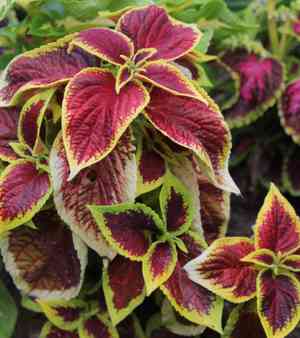
Coleus is highly prized for its vivid color palette and eye-catching leaves.
2
It integrates seamlessly into diverse garden designs, from traditional to contemporary.
3
Beginning with robust specimens and understanding their optimal placement will enhance their effect.
Appreciating the Visual Appeal of Common Coleus
Vivid Hues and Textures
A primary draw of Common coleus in garden design is its stunning range of colors and captivating textures. Its leaves, spanning greens, reds, yellows, purples, and more, inject a bold burst of life into any garden. The foliage often displays intricate patterns and variegation, creating a visually engaging spectacle. This diversity and intensity of shades can serve as an ideal backdrop or central feature, keeping your garden vibrant across seasons.
Seasonal Adaptability
Common coleus offers excellent seasonal flexibility, a significant advantage for any gardener. This plant flourishes in both shaded and sunny conditions, making it a versatile addition to various garden environments. In warmer regions, Common coleus can be an evergreen highlight, while in cooler areas, it can infuse summer gardens with color. This versatility ensures Common coleus remains a consistent and lively presence year-round, adapting to seasonal shifts without losing its charm.
Establishing Garden Focal Points
For creating garden focal points, the striking and attention-grabbing nature of Common coleus makes it a perfect choice. Whether you aim to highlight a specific area or break up uniform greenery, strategically placed Common coleus can transform ordinary garden spots into prominent features. Consider using larger varieties as the centerpiece of a flower bed or smaller ones in decorative pots. You'll be surprised how this simple addition can guide the eye and add structure to your landscape.
Integrating Common Coleus into Diverse Garden Styles
Formal Garden Designs
Common coleus integrates beautifully into formal garden layouts. The structured patterns, hedges, and symmetrical arrangements typical of formal gardens can be enhanced by the vivid colors and distinct shapes of Common coleus. Utilize it to border paths or as part of a meticulously maintained flower bed. The plant's ease of shaping and control also makes it suitable for topiary, adding an artistic touch to your formal garden displays.
Cottage Gardens
For a more relaxed and informal garden aesthetic, Common coleus fits perfectly into cottage gardens. The plant's whimsical colors and natural form contribute to the unconstrained, charming look of a cottage garden. Combine Common coleus with perennials, herbs, and other flowering plants to achieve a lush, multi-layered appearance. Its ability to both blend in and stand out makes it a versatile option for anyone aiming to create a delightful, storybook-like garden.
Contemporary Landscape Concepts
In modern landscape designs, the architectural foliage and bold colors of Common coleus offer a striking contrast to minimalist elements. Modern gardens often emphasize clean lines and simple color schemes, and Common coleus can provide a necessary burst of color without disrupting the overall design. Use it in sleek planters or as a bright accent in a geometric garden layout. Its low maintenance and impressive appearance make it a staple for contemporary landscaping projects.
Landscaping Advice for Common Coleus
Beginning with Robust Plants
To ensure the success of Common coleus in your landscape, it's vital to start with healthy specimens. Seek out vibrant, disease-free plants with strong stems and abundant foliage. Purchasing from reputable nurseries or garden centers is advisable. A good start lays the groundwork for a thriving, attractive display that will flourish with minimal issues. Regularly check plants for pests and diseases to maintain their health.
Optimal Planting Locations
Understanding the best planting spots for Common coleus can greatly improve its growth and appearance. This plant prefers well-drained soil and can thrive in both sun and partial shade. However, positioning it where it receives morning sun and afternoon shade can help protect its leaves from scorching. Whether in the ground or in containers, ensure Common coleus has ample room to spread and reach its full potential.
Companion Plants for Common Coleus
Pairing Common coleus with suitable companion plants can create a harmonious and striking garden display. Consider combining it with green foliage plants to allow its colors to truly stand out. Plants like ferns, hostas, or ornamental grasses can offer a beautiful contrast. Additionally, flowering plants with complementary colors can heighten visual interest. Experimenting with various plant combinations will help create a cohesive and appealing garden environment.



