Enhancing Your Garden Design with the Arabian coffee Plant: A Landscaping Guide
1
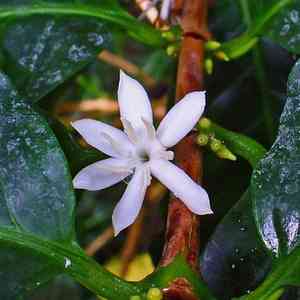
Coffea arabica is recognized for its lush leaves and appealing flowers, making it a favored selection in numerous garden layouts.
2
This species flourishes in soil that drains effectively and needs a mix of sun and shadow for best development.
3
Coffea arabica can be paired with diverse other flora to establish aesthetically pleasing and enduring garden arrangements.
Introducing Arabian Coffee to Your Landscape
Overview of Arabian coffee's visual appeal and adaptability in garden designs
When selecting plants for landscape projects, Arabian coffee stands out with its vibrant green leaves and graceful blossoms, providing an aesthetic charm that can elevate any garden. Its flexible nature allows it to integrate into diverse garden aesthetics, from tropical to contemporary minimalist styles. The plant's form offers a lush green backdrop or a focal point with its vivid flowers, making it a favorite among landscape designers.
Exploring the prevalence of Arabian coffee in modern landscape architecture
In recent times, Arabian coffee has gained traction in contemporary landscape architecture due to its hardiness and capacity to adjust to various surroundings. The plant's robust character means it can flourish in urban gardens, where pollution and stressful conditions are common. Furthermore, its minimal upkeep needs and extended lifespan make it an appealing choice for property owners and garden enthusiasts alike.
Ideal Conditions for Arabian Coffee in Your Garden
Optimal climate and soil types for flourishing Arabian coffee plants
Arabian coffee thrives best in tropical and subtropical regions where temperatures remain consistently warm. It prefers well-draining, fertile, and slightly acidic soil to support its development. If your garden has heavy clay soil, consider enriching it with organic matter to improve drainage and fertility. Elevation also plays a role, with Arabian coffee performing optimally at higher altitudes where the air is cooler and less humid.
Sunlight and irrigation requirements tailored for Arabian coffee growth
Sufficient sunlight is crucial for Arabian coffee's development. It performs best in partial or filtered sunlight, receiving approximately 4-5 hours of direct sun daily. However, it's equally important to shield it from intense afternoon sun, which can scorch its leaves. Consistent watering is vital during the initial growth phase, but once established, Arabian coffee can endure brief dry spells. Ensure the soil stays moist but not waterlogged, using mulch to retain moisture and regulate soil temperature.
Design Concepts Featuring Arabian Coffee
Creating focal points with Arabian coffee in garden layouts
When planning your garden layout, consider utilizing Arabian coffee as a focal point. Its luxuriant appearance and attractive blooms can capture attention, making it perfect for central positions in garden beds or as a prominent feature in a mixed border. Its height and structure can also provide vertical interest, breaking up horizontal lines and adding depth to your garden design.
Combining Arabian coffee with other plants for maximum visual impact
Arabian coffee pairs well with a variety of other plants. For a vibrant and dynamic garden, combine it with flowering plants like hibiscus or contrasting foliage such as ferns and hostas. The interplay of textures and colors can create a visually stunning effect. Additionally, incorporating groundcovers like ivy or creeping thyme around the base of Arabian coffee can help create a seamless and lush garden bed.
Seasonal considerations for Arabian coffee in landscape designs
When designing your garden, consider the seasonal changes that impact Arabian coffee. Although it is evergreen, retaining its leaves year-round, its blooming period can vary depending on the region and climate. Plan your garden to include plants that complement Arabian coffee's seasonal display, ensuring continuous interest and color throughout the year. In colder climates, consider using frost protection measures to prevent damage during colder months.
Caring for Arabian Coffee with Minimal Effort
General upkeep tips to maintain Arabian coffee's optimal appearance
To keep Arabian coffee looking its best, regular pruning is necessary to remove dead or damaged branches and encourage healthy growth. Fertilize the plant during the growing season with a balanced, slow-release fertilizer to ensure it receives the necessary nutrients. Monitoring for pests and diseases is also crucial, as early detection can help prevent significant damage. Keep the area around the plant free from weeds to reduce competition for nutrients and water.
Addressing common issues faced by Arabian coffee in landscapes
Arabian coffee can sometimes encounter challenges such as leaf rust or root rot. To manage these, ensure proper spacing between plants to improve air circulation and avoid overwatering, which can lead to fungal infections. Mulching can help prevent soil splashes that may carry pathogens. If pests like aphids or mites become an issue, consider using organic insecticidal soaps or introducing beneficial insects like ladybugs to keep pest populations under control.
Environmental Advantages of Including Arabian Coffee in Your Landscape
Discuss the ecological impact of planting Arabian coffee
Incorporating Arabian coffee into your landscape can have a positive ecological impact. Its dense foliage provides shelter and nesting sites for birds, while its flowers attract pollinators such as bees and butterflies, contributing to the health of your local ecosystem. The plant also aids in soil stabilization and can prevent erosion, especially in hilly or sloped areas.
How integrating Arabian coffee supports local wildlife
Arabian coffee offers numerous benefits to local wildlife. Birds are particularly drawn to the plant for its cover and the insects it attracts, while mammals may seek it out for the shade it provides. By incorporating Arabian coffee into your garden, you're creating a mini-habitat that supports biodiversity and encourages a healthy, balanced ecosystem.



