Enhancing Your Garden Design with the Garden croton Plant: A Landscaping Guide
1
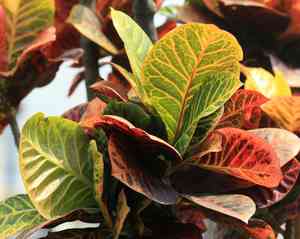
The Garden croton brings lively hues and distinctive tactile qualities to any landscape.
2
Garden croton flourishes in environments that are warm, sunny, and humid.
3
Consistent trimming and upkeep are crucial for maintaining the optimal appearance of your Garden croton.
Introducing Croton in Landscape Design
Appreciating the aesthetic impact of Croton in outdoor settings
When considering landscape design, Croton is remarkable for its brilliant hues and striking patterns. The plant provides a visual feast, thanks to its expansive leaves in tones of green, yellow, red, orange, and occasionally black. Incorporating Croton into your garden can cultivate a lively and dynamic ambiance, transforming any ordinary spot into a central point of interest. Its colorful foliage effectively breaks the uniformity of green gardens, offering captivating layers and textures.
Concise overview of Croton's characteristics relevant to landscape beauty
Croton is distinguished by its bold, lustrous leaves that make an impression in any garden. The leaves can be large and are often variegated, displaying multiple shades on a single leaf. Beyond its visual charm, Croton is also valued for its upright growth habit, making it an excellent option for adding height and structure within a garden. Its evergreen nature ensures your garden remains vibrant and attractive all year long.
Incorporating Croton into Garden Themes
Pairing Croton with various garden aesthetics: Tropical, Contemporary, and Diverse
Croton is incredibly adaptable and can be smoothly integrated into diverse garden styles. In a tropical garden, Croton blends perfectly with other lush, striking plants like banana trees and ferns, creating a vivid and exotic haven. For a modern garden, combine Croton with minimalist and sleek designs to introduce a splash of color and soften sharp lines. If you prefer an eclectic garden, mix Croton with a range of plants featuring different textures and colors to establish a vibrant and varied environment.
Utilizing Croton's color spectrum to enhance garden planting arrangements
The chromatic range of Croton is truly spectacular, making it an excellent addition to various planting schemes. Employ the plant to complement flowers and foliage that share a similar color range. For example, the reds and oranges of Croton can be mirrored in flowering plants such as marigolds or zinnias. Furthermore, contrasting Croton with monochromatic or subdued plants can make its colors stand out even more, serving as an engaging focal point.
Creative Placement Concepts for Croton
Strategic positioning for optimal visual effect
To maximize Croton's visual impact, consider its placement carefully. Position it at entrances or along pathways to welcome visitors with a burst of color. It can also be situated at the rear of flower beds where its height and vibrant foliage will create a stunning backdrop. Additionally, using Croton in pots and containers allows for greater flexibility, enabling you to relocate them as needed to sustain visual appeal.
Establishing focal points in the landscape using Croton
Creating focal points in your landscape can draw the eye and generate a sense of order and flow. Croton is ideal for this purpose due to its striking appearance. Plant Croton in groupings or as a solitary specimen in the center of a garden bed or at the edge of a patio. Its vivid leaves will capture attention, serving as a natural focal point that grounds the surrounding elements of your garden.
Seasonal Considerations for Croton
Optimal seasons to plant Croton for vigorous growth
The ideal time to plant Croton is during the warmer seasons, preferably in spring or early summer. This allows the plant ample time to establish itself before colder weather arrives. Warm temperatures, coupled with sufficient sunlight and humidity, are vital for Croton to flourish. Planting during these seasons guarantees robust growth and vibrant coloration.
Croton's ability to adapt to seasonal shifts
Croton is renowned for its adaptability, yet it still prefers consistent warm temperatures. In areas where temperatures drop considerably, it is advisable to cultivate Croton in containers so they can be moved indoors during colder months. Although the plant is evergreen, it might experience slower growth and less vivid coloring in cooler conditions. Regular care and maintenance can help Croton adjust to seasonal changes and continue to thrive throughout the year.
Maintaining Croton's Aesthetic Appeal
Routine inspections and basic maintenance advice
Preserving Croton's aesthetic appeal demands consistent care. Conduct regular checks to ensure the plant is free from pests and diseases. Water the plant consistently but avoid saturation, as excessive moisture can harm root health. Pruning old or damaged leaves will encourage new growth and help maintain a neat appearance. Fertilize with a balanced, slow-release fertilizer every few months to keep the foliage vibrant and healthy.
Addressing common visual concerns
Occasionally, Croton might encounter aesthetic issues such as leaf drop, discoloration, or pest infestations. Ensure the plant receives adequate sunlight, as insufficient light can cause dull leaves. If you observe discoloration, verify soil moisture levels and adjust your watering schedule accordingly. For pest issues, a mild insecticidal soap can help deter unwelcome visitors. Promptly addressing these common problems ensures that Croton remains a striking feature in your landscape.



