Enhancing Your Garden Design with the Butterfly pea Plant: A Landscaping Guide
1
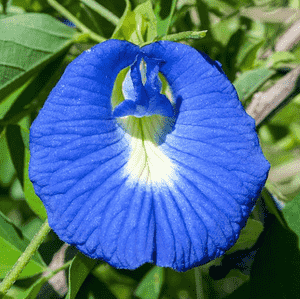
Butterfly pea provides vivid hues capable of enlivening any garden.
2
This flora is recognized for drawing in pollinators such as bees and butterflies.
3
Butterfly pea serves as an effective natural screen for seclusion in outdoor areas.
Understanding the Role of Butterfly Pea in Landscaping
What Makes Butterfly Pea a Good Choice for Landscape Design?
For landscape design, Butterfly pea stands out for several reasons. This plant is known for its striking blue blooms, which can add a burst of color to any garden. Its vibrant shades are not only visually appealing but also create a focal point in garden settings. Moreover, Butterfly pea is relatively simple to cultivate and can thrive in various soil conditions, making it a versatile option for gardeners. Another benefit is its climbing nature, allowing it to be trained on trellises, arbors, or pergolas to add vertical interest to your landscape.
Benefits of Using Butterfly Pea in Outdoor Spaces
Incorporating Butterfly pea into your landscaping projects offers numerous advantages. Firstly, it attracts pollinators like bees and butterflies, crucial for maintaining a healthy garden ecosystem. This not only supports local wildlife but also fosters a more vibrant and diverse garden. Additionally, Butterfly pea can aid in soil improvement due to its nitrogen-fixing properties, enriching the soil and promoting the growth of nearby plants. Finally, the plant's dense foliage can serve as a natural privacy screen, providing a beautiful yet functional solution for creating secluded garden areas.
Design Ideas for Integrating Butterfly Pea in Gardens
Creating Colorful Borders with Butterfly Pea
Creating colorful borders with Butterfly pea is an excellent way to define garden areas while adding a splash of color. These vibrant flowers can be planted along garden edges, pathways, or driveways to create visually appealing boundaries. Because Butterfly pea can spread and fill in spaces quickly, it helps maintain a continuous display of color throughout the growing season. To maximize this feature, consider pairing Butterfly pea with other complementary flowering plants to create a harmonious color palette that enhances the overall garden aesthetics.
Enhancing Privacy Using Butterfly Pea as Natural Screens
For those seeking to enhance privacy in their outdoor spaces, Butterfly pea can be an ideal choice. The dense and lush foliage of this plant can provide an effective natural screen, shielding parts of your garden from view. To create these privacy screens, you can train Butterfly pea to climb on trellises, fences, or even pergolas. This not only serves a practical purpose but also adds to the vertical interest and texture of your landscaping. Besides providing privacy, these natural screens can also partition different garden sections, creating a more structured and intimate environment.
Incorporating Butterfly Pea in Themed Garden Sections
Incorporating Butterfly pea into themed garden sections can add uniqueness and character to your landscape. For instance, in a butterfly or pollinator garden, Butterfly pea can play a crucial role due to its appeal to pollinators. Similarly, in a cottage garden, its climbing habit and vibrant flowers fit perfectly among other classic cottage plants. If you are aiming for an exotic or tropical-themed garden, the striking appearance of Butterfly pea can evoke a sense of lushness and color typical of such settings. By thoughtfully integrating Butterfly pea into specific garden themes, you can enhance the thematic cohesion and visual interest of your landscape.
Maintenance Tips for Butterfly Pea in Landscaping
Seasonal Care Tips for Butterfly Pea
To keep Butterfly pea thriving in your garden, it's important to provide appropriate seasonal care. During the active growth period, ensure the plant receives sufficient water, especially during dry spells, while avoiding waterlogging the soil. Mulching around the base can help retain moisture and regulate soil temperature. In colder climates, protecting Butterfly pea from frost by covering it or moving it to a sheltered spot is crucial. Fertilize sparingly, as excessive fertilization can lead to abundant foliage growth with fewer flowers. Regularly check for pests and diseases and address any issues promptly to maintain the plant's health.
Managing Growth: Pruning and Spacing for Butterfly Pea
Managing the growth of Butterfly pea through proper pruning and spacing is essential to keep it vigorous and prevent overcrowding. Regular pruning helps stimulate new growth and flowering while maintaining the desired shape and size. Cut back any dead or overgrown branches to promote air circulation and reduce the risk of disease. When planting Butterfly pea, ensure adequate spacing between plants to allow for their spreading habit and prevent competition for resources. Understanding the specific growth habits of Butterfly pea and adjusting your pruning practices accordingly will help you maintain a healthy and visually pleasing landscape.
Choosing Companion Plants for Butterfly Pea
Best Companion Species for Butterfly Pea
Choosing the right companion plants for Butterfly pea can enhance the overall health and beauty of your garden. Plants that complement the conditions preferred by Butterfly pea, such as full sun and well-drained soil, make ideal companions. Examples of good companion species include flowering plants like marigolds, zinnias, and cosmos, which not only add to the visual appeal but also attract beneficial insects. Additionally, herbs such as basil and mint can be planted nearby to deter pests. By selecting suitable companion plants, you can create a harmonious and thriving garden ecosystem.
Designing Polycultures with Butterfly Pea: A Guide
Designing polycultures with Butterfly pea involves creating multi-layered plant communities that benefit each other. In a polyculture system, you can combine Butterfly pea with plants of varying heights and growth habits to maximize space and resource use. For instance, ground cover plants like creeping thyme or low-growing perennials can be planted alongside Butterfly pea to protect the soil and suppress weeds. Taller plants such as sunflowers or ornamental grasses can provide shade and support for Butterfly pea's climbing habit. This diversity not only enhances biodiversity but also helps create a resilient and sustainable garden.



