Enhancing Your Garden Design with the Bluebead Lily Plant: A Landscaping Guide
1
Clintonia borealis is an adaptable plant that flourishes in low-light environments.
2
Combine Clintonia borealis with other plants that prefer shade for a unified aesthetic.
3
Appropriate seasonal maintenance improves Clintonia borealis's appearance and lifespan.
Introducing Bluebead Lily in Garden Design
Appreciating the distinct charm of Bluebead Lily
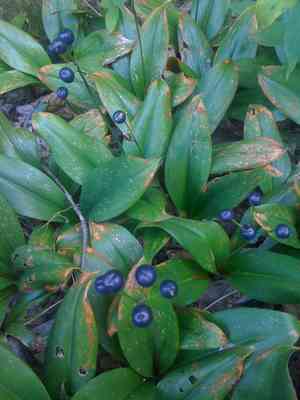
For your landscape plan, Bluebead Lily stands out with its unique leaves and vibrant fruits. This plant offers a special touch, providing subtle yet striking visual appeal. Its foliage creates dense green ground cover, ideal for shaded spots. The berries, turning deep blue, add a splash of color and an element of surprise to your garden.
Bluebead Lily's role in sustainable garden concepts
Integrating Bluebead Lily into your garden design can foster environmental responsibility. Bluebead Lily requires minimal upkeep and often thrives without excessive water or chemicals. This trait makes it a perfect choice for an eco-conscious garden. Furthermore, using native plants like Bluebead Lily can boost local biodiversity by supporting native pollinators and other wildlife, contributing to a healthier ecosystem.
Optimal Planting Locations for Bluebead Lily
Choosing prime spots for visual impact
Strategic placement of Bluebead Lily can create significant visual appeal. These plants are best suited for shaded areas, such as beneath trees or along your home's north side where sunlight is limited. Their bright blue berries offer a striking contrast against the darker, shaded background, making them a focal point in dim areas where other plants might struggle.
Soil and light considerations
Bluebead Lily prefers moist, well-drained soil rich in organic matter. When planting Bluebead Lily, select areas that mimic its natural woodland environment for optimal growth. It flourishes in partial to full shade, making it an excellent addition to gardens with limited sunlight. Ensure the soil remains consistently damp but not waterlogged; this balance will help Bluebead Lily thrive throughout the seasons.
Plants to Pair with Bluebead Lily
Selecting plants that visually complement Bluebead Lily
Pairing Bluebead Lily with suitable companion plants can enhance your garden's overall aesthetic. Consider combining it with other shade-loving perennials such as ferns, hostas, and Solomon's seal. These plants share similar growing conditions and can create a lush, unified look. The delicate textures of ferns and the bold foliage of hostas can beautifully complement the more understated presence of Bluebead Lily.
Building a balanced ecosystem with Bluebead Lily and its partners
Creating a harmonious garden ecosystem involves choosing plants that thrive together. Bluebead Lily serves as an excellent understory plant, flourishing beneath taller companions. This layering mimics natural forest settings and provides habitat for various wildlife. When designing your garden, aim to select plants that support each other's growth cycles and attract beneficial insects, ultimately creating a sustainable and thriving ecosystem.
Seasonal Care for Bluebead Lily
Spring preparations for a vibrant season
Spring is crucial for ensuring Bluebead Lily's success. Begin by clearing any winter debris from around the plant. Mulch with organic compost to provide nutrients and help retain moisture as the weather warms. Ensure the soil stays moist to encourage new growth and apply a balanced, slow-release fertilizer if needed to give Bluebead Lily a boost at the start of the growing season.
Autumn routines for year-round beauty
Preparing Bluebead Lily for colder months is vital for its longevity. In autumn, reduce watering as temperatures drop, but ensure the soil remains slightly moist until the ground freezes. Add a layer of mulch to protect the roots from frost. Trim dead or decaying foliage to prevent rot and maintain a neat appearance. These steps will set the stage for a healthy and vibrant Bluebead Lily comeback in the spring.
Advantages of Incorporating Bluebead Lily in Landscape Projects
Boosting biodiversity with Bluebead Lily
Including Bluebead Lily in your landscaping can significantly increase biodiversity. This native plant supports various insects, birds, and wildlife that depend on native flora for sustenance and shelter. By planting Bluebead Lily, you contribute to a balanced ecosystem that promotes biological diversity and helps protect native species from the pressures of invasive plants.
Aesthetic value and emotional well-being
Bluebead Lily does more than just beautify your gardenâit also contributes to your emotional well-being. Research indicates that being surrounded by nature and greenery can reduce stress and improve mood. The calming effect of the lush foliage and the cheerful appearance of the berries can make your garden a peaceful sanctuary, offering a place to relax and enjoy the tranquility of your outdoor space.



