Enhancing Your Garden Design with the Italian leather flower Plant: A Landscaping Guide
1
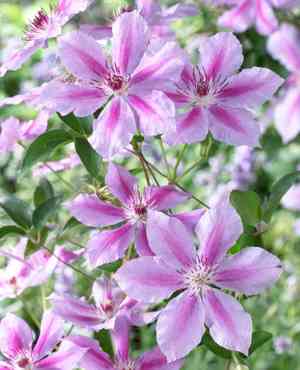
Clematis viticella 'Italian Leather Flower' flourishes in soil that drains effectively, under conditions ranging from full sun to partial shade.
2
Integrating Italian leather flower with other plants can improve your garden's aesthetic appeal and vitality.
3
Consistent trimming is necessary for Italian leather flower to preserve its form and encourage new development.
Introducing Italian leather flower to Your Landscape: Starting Right
Choosing the Ideal Location for Italian leather flower in Your Garden
Selecting the optimal spot in your garden for Italian leather flower is vital for its development and the aesthetic appeal of your outdoor space. Italian leather flower thrives in areas receiving full to partial sun. Ensure the ground drains well to avoid waterlogging, which can lead to root rot. Consider placing Italian leather flower near a support structure like a trellis, fence, or wall for climbing and displaying its stunning blossoms.
Understanding the Growth Pattern of Italian leather flower
Italian leather flower is a robust climber, recognized for its expansive and upward growth habit. It can achieve considerable heights, making it perfect for concealing unattractive structures or adding vertical dimension to your garden. Comprehending its growth pattern will help you provide the necessary support and room for it to flourish. Ensure the plant has a sturdy framework to cling to, and routinely guide its tendrils to manage its spread.
Suitable Companion Plants for Italian leather flower
Selecting appropriate companion plants for Italian leather flower can enhance your garden's overall beauty. Consider pairing Italian leather flower with plants that offer contrasting foliage or bloom at different times to ensure a continuous display of color. Furthermore, low-growing ground covers or shrubs can complement Italian leather flowerâs vertical growth, creating a layered and vibrant landscape.
Design Techniques with Italian leather flower for Maximum Impact
Creating Focal Points with Italian leather flower
Italian leather flower can serve as a captivating focal point in any garden design. Utilize its climbing nature to draw attention to specific areas, such as arbors or pergolas. The vivid blooms of Italian leather flower against a green backdrop can create a striking visual effect, making it a centerpiece that captures the viewer's gaze.
Layering Italian leather flower with Other Plant Species
Integrating Italian leather flower into a layered planting scheme adds depth and visual interest to your garden. By combining Italian leather flower with various shrubs, perennials, and annuals, you can cultivate a lush and multi-dimensional landscape. The key is to balance Italian leather flowerâs vigorous growth with the more controlled growth habits of other plants to achieve harmony and equilibrium.
Seasonal Considerations for Italian leather flower in Landscaping
Planning for seasonal changes ensures your garden remains appealing throughout the year. Consider the blooming period of Italian leather flower and select plants that provide visual interest during other seasons. This way, your garden maintains a consistent look year-round, with Italian leather flower playing a central role during its peak flowering time.
Maintenance Tips for Healthy Italian leather flower in Your Garden
Practical Watering Guidelines for Italian leather flower
Properly watering Italian leather flower is crucial for its health and development. While Italian leather flower prefers well-drained soil, it also requires consistent moisture, especially during its active growth phase. Water deeply and regularly, but ensure the soil isn't waterlogged. Mulching around the plant's base can help retain moisture and suppress weeds.
Optimizing Sunlight Exposure for Vigorous Growth
Italian leather flower thrives in locations with abundant sunlight. For robust growth and prolific flowering, ensure it receives at least six hours of direct sunlight daily. If you are planting Italian leather flower in a partially shaded spot, monitor its growth and adjust its position if necessary to maximize sun exposure.
Seasonal Pruning Techniques for Italian leather flower
Regular pruning is essential to keep Italian leather flower healthy and well-formed. Prune in late winter or early spring before new growth commences. Remove any dead or weak stems to stimulate fresh growth and flowering. Pruning not only maintains the plantâs shape but also encourages more abundant blooms.
Challenges and Solutions in Italian leather flower Landscaping
Addressing Common Pests and Diseases
Like any garden plant, Italian leather flower can be vulnerable to pests and diseases. Regularly inspect your plants for indications of aphids, spider mites, or fungal infections. Natural remedies such as neem oil or insecticidal soap can effectively manage pests. Ensuring good air circulation and avoiding overhead watering can prevent fungal issues.
Weather-related Considerations for Italian leather flower
Weather can significantly impact Italian leather flowerâs well-being. Itâs crucial to safeguard the plant from severe cold or frost. During extreme weather conditions, consider using protective coverings to shield Italian leather flower. Additionally, ensure the plant is securely anchored to prevent damage from strong winds.
Soil Quality and Fertility Needs for Italian leather flower
Italian leather flower prefers fertile, well-drained soil with a neutral to slightly alkaline pH. Regularly amend the soil with organic matter to maintain its fertility. A balanced, slow-release fertilizer applied during the growing season can provide the necessary nutrients to support healthy growth and abundant flowering.



