Enhancing Your Garden Design with the Vasevine Plant: A Landscaping Guide
1
Vasevine flourishes in damp, adequately drained earth and filtered sun.
2
Perfect for serving as a living screen, Vasevine brings height and visual appeal to outdoor spaces.
3
Regular care such as trimming promotes robust and lively development in Vasevine.
An Introduction to Vasevine in Garden Design
Appreciating the aesthetic charm of Vasevine
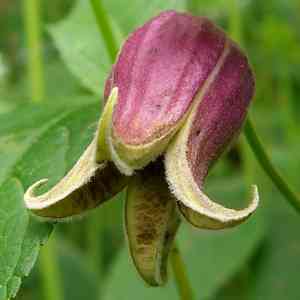
The appeal of Vasevine stems from its distinct vase-shaped flowers, which lend an elegant beauty to any garden. These blooms come in diverse hues, allowing for lovely pairings with various other plants. The delightful bell-like form of the flowers adds a lively visual element, making Vasevine a prominent feature in any garden layout.
Vasevine's natural environment and growth characteristics
Vasevine originates from wooded regions where it climbs over shrubs and small trees, displaying its inherent climbing nature. This vine requires support structures like trellises or fences to mimic its natural growing conditions when cultivated in gardens. Furthermore, it prefers damp, well-drained soil and can endure partial shade, making it adaptable to different garden settings.
Understanding why Vasevine is popular in garden plans
Garden designers favor Vasevine for multiple reasons. Its adaptable climbing habit allows it to be utilized in various design elements, such as covering arbors, pergolas, and walls, or even serving as a natural screen. Moreover, its seasonal color changes and delicate flower structure offer year-round interest, contributing to its widespread appeal among landscape enthusiasts.
Integrating Vasevine into Your Garden Scheme
Selecting the optimal spot for Vasevine
When incorporating Vasevine into your garden, choose a location that provides ample sunlight while offering some shade during the warmest parts of the day. Sites with well-drained soil and access to a vertical support for climbing, such as a trellis or fence, are ideal. Correct placement ensures robust growth and maximizes the plant's aesthetic contribution to your garden.
Companion plants that flourish alongside Vasevine
Vasevine pairs wonderfully with a range of complementary plants. Consider planting it alongside perennials like hostas, ferns, and ornamental grasses, which can provide a lush foundation beneath the climbing vines. Flowering plants such as hydrangeas and azaleas can offer contrasting colors and textures, enhancing the garden's overall beauty.
Utilizing Vasevine as a natural barrier or focal point
Vasevine's climbing nature makes it an excellent choice as a natural partition within garden areas. Use it to delineate sections within larger garden spaces or as a central feature by training it over an arbor or pergola. Its striking blossoms and vibrant foliage draw the eye, serving as a living piece of garden art.
Seasonal Considerations for Vasevine Care
Optimal times of year for planting Vasevine
To ensure successful establishment, plant Vasevine in early spring or autumn when the weather is milder, and rainfall is more consistent. These seasons offer ideal conditions for root development before the more extreme temperatures of summer or winter arrive.
Understanding Vasevine's seasonal growth patterns
Vasevine experiences significant growth spurts during the spring and summer months. During these periods, the plant produces its beautiful flowers. From late autumn to winter, it enters a dormant phase, conserving energy for the next growth cycle. Understanding these patterns helps gardeners plan appropriate care and pruning schedules.
Preparing Vasevine for varying weather conditions
Preparing Vasevine for diverse weather conditions is crucial for its success in your garden. In summer, ensure it receives sufficient water and mulching to keep roots cool and moist. As winter approaches, prune the vines to remove dead or damaged wood, and apply a layer of mulch to protect the roots from freezing temperatures.
Visual Impact and Upkeep Advice
Strategies to enhance Vasevine's aesthetic appeal
Maximize Vasevine's visual impact by strategically placing it where its blooms can be easily admired. Training it over entryways or along garden paths ensures its charming flowers are prominently displayed. Additionally, consider using lighting to highlight the plant during evening hours, creating a magical garden atmosphere.
Routine maintenance tips for a healthy Vasevine
Routine maintenance for Vasevine includes regular watering, especially during dry periods, and annual pruning. Pruning should focus on removing spent flowers and any dead or weak stems, promoting a stronger and more vigorous growth habit. Fertilize in spring to encourage healthy growth and abundant blooms.
Addressing common challenges in cultivating Vasevine
Common challenges in growing Vasevine can include issues like root rot, aphid infestations, and wilt diseases. To combat these, ensure proper drainage to prevent root rot, use insecticidal soap to address aphids, and maintain good air circulation around the vines to reduce the risk of fungal diseases. Regular monitoring and prompt action on issues can keep Vasevine healthy and thriving.



