Enhancing Your Garden Design with the Anemone clematis Plant: A Landscaping Guide
1
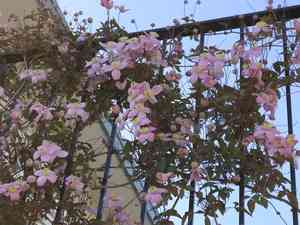
Anemone clematis serves as an excellent climbing vine for adding height and visual appeal to garden areas.
2
For optimal growth, Anemone clematis requires soil that drains effectively and a site with full sun to partial shade.
3
Trim Anemone clematis each year following bloom to promote robust development and preserve its form.
Understanding the Role of Anemone clematis in Landscaping
What Makes Anemone clematis a Popular Choice for Gardeners?
A key feature that makes Anemone clematis a favorite among garden enthusiasts is its climbing ability. This plant can adorn trellises, fences, and walls, adding a lush and natural element to vertical spaces. Its beautiful blossoms and rapid development make it an excellent choice for those aiming to quickly enhance their garden's visual appeal. Moreover, Anemone clematis requires relatively little upkeep compared to other climbing plants, making it suitable for both beginner and experienced gardeners.
Visual Benefits of Incorporating Anemone clematis into Your Garden
Anemone clematis offers numerous aesthetic advantages. Its abundant foliage and striking, plentiful flowers can serve as a focal point in any garden. Furthermore, the plant's capacity to grow upwards can create a sense of depth and dimension, transforming flat garden areas into dynamic and visually engaging spaces. Additionally, its delicate blossoms can beautifully contrast with bold architectural elements, creating a balanced and pleasing visual arrangement.
Design Tips: Integrating Anemone clematis into Your Landscape
Selecting the Perfect Location for Anemone clematis
Choosing the ideal spot for Anemone clematis is vital for its growth and its effectiveness in enhancing your landscape. Ideally, Anemone clematis should be planted in a location that receives ample sunlight but also offers some shade, especially in warmer climates. Well-drained soil is crucial to prevent waterlogging and root decay. Consider planting Anemone clematis near a structure it can ascend, such as a pergola, fence, or wall, to maximize its vertical potential and create a natural, flowing effect.
Combining Anemone clematis with Other Plants for Aesthetic Appeal
To maximize its aesthetic appeal, Anemone clematis can be paired with various other plants. Combining it with evergreen shrubs can provide year-round structure and interest, while mixing it with other flowering plants can create a vibrant and lively display. Consider planting Anemone clematis alongside complementary colors and textures to enhance its visual impact. For instance, lavender or roses can be excellent companions, offering a contrasting backdrop that highlights Anemone clematis's delicate blooms.
Maintenance Tips for Anemone clematis in Landscapes
Basic Maintenance Requirements for Anemone clematis
Anemone clematis is relatively simple to maintain. Ensure it receives sufficient water, particularly during dry spells, and that the soil remains well-drained. Mulching around the base can help retain moisture and suppress weeds. Regular feeding with a balanced fertilizer will encourage healthy growth and abundant flowering. Pruning is also essential; it should be performed annually after the blooming season to maintain the plant's shape and stimulate new growth.
Seasonal Care Tips for Anemone clematis to Thrive Outdoors
To help Anemone clematis flourish throughout the seasons, specific care guidelines should be followed. In spring, apply a slow-release fertilizer to kickstart the growing season. As summer approaches, ensure consistent watering to maintain soil moisture. During autumn, it's an opportune time for pruning and removing dead or damaged stems. In winter, although Anemone clematis is hardy, adding a layer of mulch around the base can protect the roots from extreme cold. These seasonal tips will help keep Anemone clematis healthy and encourage blooming year after year.
Common Challenges and Solutions When Growing Anemone clematis
Addressing Common Pests and Diseases
While generally robust, Anemone clematis can occasionally suffer from pests and diseases. Aphids, slugs, and snails are common pests that can be managed through regular inspection and using organic or chemical deterrents if necessary. Powdery mildew and root rot can also affect Anemone clematis. Ensure good air circulation and avoid overhead watering to prevent fungal issues. For root rot, proper drainage is essential, and affected plants may need to be replaced if the problem persists.
Mitigating Weather Impact on Anemone clematis
Weather can significantly affect the health of Anemone clematis. Strong winds can damage young shoots, so providing a windbreak or some form of protection can be beneficial. During periods of heavy rainfall, ensure that the soil drains well to prevent waterlogging. In prolonged dry spells, consistent watering is crucial to keep the plant healthy. Additionally, in areas with harsh winters, adding a layer of mulch around the base can help protect the roots from freezing temperatures.



