Enhancing Your Garden Design with the Hardy orange Plant: A Landscaping Guide
1
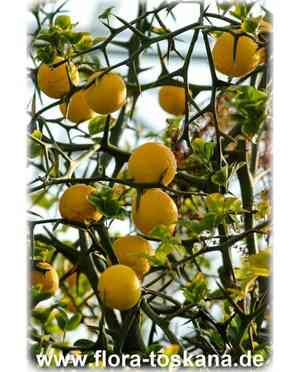
The hardy orange is recognized for its spiny stems and aromatic blossoms.
2
This plant flourishes in soil that drains effectively and receives ample sunlight.
3
Due to its thick, spiky growth, hardy orange serves well as a living barrier.
Introducing Poncirus trifoliata in Garden Design
The distinctive visual appeal of Poncirus trifoliata
A primary draw for gardeners to Poncirus trifoliata is its singular aesthetic charm. Featuring an intriguing blend of robust thorns and delicate, fragrant blooms, it offers a striking visual contrast in any garden. In spring, it showcases clusters of white flowers against its green, claw-like branches. By autumn, these blossoms transform into small, decorative fruits, adding another layer of beauty to your outdoor space.
How Poncirus trifoliata differs from typical garden flora
Poncirus trifoliata stands apart from common garden plants for several reasons. Unlike many others, it exhibits high resilience to harsh conditions, making it a durable and easy-care option. Its thorny branches not only provide visual interest but also act as a natural deterrent to pests and intruders. Furthermore, its ability to endure extreme cold and heat allows it to thrive in diverse climates, offering year-round beauty and utility.
Optimal Placement for Poncirus trifoliata's Impact
Choosing the best spot in your garden
Selecting the ideal location for Poncirus trifoliata in your garden can greatly enhance its visual and practical advantages. Ideally, it should be situated where it can be admired but also away from high-traffic areas due to its thorny nature. Consider placing it along property borders or as a central feature in a garden bed to maximize its aesthetic effect.
Understanding light and soil needs
Poncirus trifoliata thrives best in well-drained soil and full sun exposure. Ensure the chosen site receives at least six hours of sunlight daily. While it can tolerate partial shade, its growth and fruit production are significantly better with ample sunlight. Confirm the soil is well-aerated and not prone to waterlogging, as excessive moisture can lead to root rot and other growth issues.
Strategic positioning tips for beauty and function
To fully leverage Poncirus trifoliata's unique attributes, consider strategic placement that serves both aesthetic and practical goals. Plant it along pathways to create a natural barrier or use it as a focal point in a mixed shrub border. Its thorny branches can also effectively deter animals from specific areas, making it an excellent choice for safeguarding vegetable gardens or other vulnerable spots.
Design Integration: Pairing Poncirus trifoliata with Other Elements
Complementing Poncirus trifoliata with other plants
When incorporating Poncirus trifoliata into your garden, it's crucial to consider companion plants that enhance its visual appeal. Pair it with vibrant perennials or ornamental grasses to soften its thorny appearance. Opt for low-growing ground covers to fill in space around its base, creating a lush, multi-layered garden bed. Hostas, daylilies, and lavender are excellent choices to complement its distinctive look.
Utilizing Poncirus trifoliata as a natural barrier or hedge
One practical application of Poncirus trifoliata is as a natural fence or boundary. Its dense, thorny branches form an effective barrier for keeping out unwanted animals and even deterring trespassers. Plant it in a linear fashion along property lines or around specific areas needing protection. Over time, the thick foliage will create a natural, formidable hedge that boosts security without requiring artificial structures.
Creative ideas for front and back placements
To add depth and dimension to your garden, consider using Poncirus trifoliata in both foreground and background positions. In the foreground, it can serve as a striking focal point with its vibrant flowers and fruits capturing attention. In the background, it provides a textured backdrop that adds interest and a sense of enclosure to garden spaces. Combine it with taller trees or shrubs in the background to create a layered, visually appealing landscape.
Seasonal Considerations for Poncirus trifoliata
Optimal planting times for Poncirus trifoliata
The best time to plant Poncirus trifoliata is either in early spring or during the autumn months. Planting in early spring ensures it has the entire growing season to establish itself. Autumn planting allows roots to settle in cooler temperatures, preparing for vigorous growth in spring. Avoid planting during peak summer heat, as this can stress the plant and hinder its establishment.
Preparing Poncirus trifoliata for various seasons
To ensure Poncirus trifoliata thrives year-round, serious seasonal preparations are vital. In spring and summer, consistent watering and occasional pruning will help maintain its form and encourage robust growth. During autumn, it's beneficial to apply a layer of mulch around the base to retain soil moisture and regulate temperature. For winter, though hardy, young plants might need protection like burlap wrapping to shield them from extreme cold.
Long-Term Advantages of Incorporating Poncirus trifoliata in Your Landscape
How Poncirus trifoliata enhances property value
Integrating Poncirus trifoliata into your landscape can significantly increase your property's worth. Its unique aesthetic qualities and practical use as a natural barrier make it a desirable feature for potential buyers. A well-maintained specimen can boost curb appeal, creating a lasting first impression. Moreover, its low-maintenance nature is an attractive trait for property owners seeking a beautiful yet manageable garden.
Ecological benefits of planting Poncirus trifoliata
Planting Poncirus trifoliata offers several environmental advantages. It provides an excellent habitat for pollinators like bees, fostering biodiversity in your garden. Its dense foliage can also reduce soil erosion and improve soil health over time. Additionally, it is known for its air-purifying properties, contributing to a clean and healthy garden environment.



