Enhancing Your Garden Design with the Kumquat Plant: A Landscaping Guide
1
Kumquat plants introduce vivid hues and distinct textures, elevating the aesthetic charm of any garden space.
2
Strategic positioning of Kumquat allows for attractive edgings and boundaries, clearly delineating garden areas.
3
Companion plants in your garden ought to be selected thoughtfully to complement Kumquat without overpowering it.
Kumquat's Role in Landscape Design
Understanding Kumquat's function in garden planning
Kumquat serves as a versatile plant in landscape architecture, offering both visual appeal and practical utility. Its bright, appealing fruits and shiny green leaves provide a striking aesthetic, while its adaptable growth patterns make it suitable for various garden applications. Whether used as a centerpiece, border element, or in a container, Kumquat can enhance the overall design and usefulness of your outdoor area.
Why select Kumquat for your outdoor space?
Choosing Kumquat for your garden offers numerous advantages. It's a resilient plant capable of thriving in diverse climates and soil types, making it a flexible option for gardeners of all skill levels. The plant's compact size is perfect for small gardens and urban environments, while its captivating features add a unique charm, making it a talking point for guests.
Kumquat's Aesthetic Contributions
Color and texture: Enhancing your garden's visual appeal
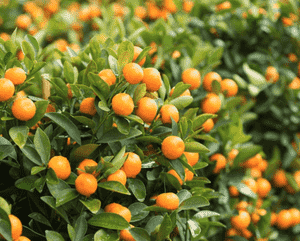
Kumquat introduces a burst of color with its vibrant orange or golden fruits and rich green foliage, which can stand out against more subdued garden backdrops. The texture of its smooth, glossy leaves adds a layer of contrast when paired with different plants, creating a dynamic and visually engaging garden layout.
Seasonal changes: All-year visual interest
A key benefit of integrating Kumquat into your landscape is its capacity to provide continuous visual appeal throughout the year. The plant bears fruit multiple times annually, ensuring your garden features splashes of color across different seasons. Furthermore, Kumquat's hardiness allows it to retain its foliage through various weather conditions, guaranteeing ongoing visual charm.
Practical Applications of Kumquat in Outdoor Areas
Edging and borders: Defining garden zones
Kumquat is an excellent choice for creating neat, attractive edges and boundaries in your garden. Its dense growth habit can form natural barriers, helping to delineate different garden sections without needing artificial dividers. Using Kumquat in this manner adds a refined look to pathways, flower beds, and other landscaped areas.
Tree groupings: Establishing focal points in expansive gardens
In larger garden spaces, planting Kumquat in clusters can create stunning focal points that attract attention. These groupings can be strategically placed to guide visitors through your garden or to highlight specific areas. The vibrant fruits and lush foliage will ensure these focal points remain engaging and attractive throughout the year.
Integrating Kumquat with Other Plants
Companion planting: Optimal pairings for Kumquat?
To maximize Kumquat's aesthetic and practical benefits, consider companion planting with species that complement its growth habits and visual traits. Plants with contrasting or complementary colors, such as lavender, rosemary, or other citrus varieties, can enhance the garden's overall look. Additionally, plants with similar soil and light requirements will thrive alongside Kumquat, ensuring a balanced garden ecosystem.
Avoiding common pairing errors
While Kumquat is adaptable, it's crucial to avoid pairing it with plants that have significantly different needs or that might overshadow it. Large, aggressive growers, or plants requiring vastly different soil pH levels, can compete with Kumquat for resources, causing it to struggle. Careful garden planning ensures Kumquat and its companions flourish together.
Kumquat Maintenance in Your Landscape
Seasonal care recommendations
Maintaining Kumquat involves some seasonal attention to keep it looking its best. Pruning should occur in late winter to shape the plant and encourage healthy development. Regular watering is vital, especially in dry seasons, to maintain foliage health and fruit production. Fertilizing with citrus-specific nutrients helps promote robust growth and vibrant fruits.
Long-term health and vitality
Ensuring Kumquat's long-term health is straightforward with a few consistent practices. Monitoring for pests and diseases, which can affect citrus plants, is crucial. Using mulch can help retain soil moisture and regulate temperature, providing a supportive environment for the roots. Additionally, periodic soil testing ensures the plant receives balanced nutrients, maintaining its vigorous growth.



