Enhancing Your Garden Design with the Kaffir lime Plant: A Landscaping Guide
1
Kaffir lime flourishes in direct sunlight but can endure some shade.
2
Its distinctive leaves provide both aesthetic and fragrant charm to your outdoor space.
3
Consistent trimming is crucial for preserving the form and vitality of Kaffir lime.
Exploring the Visual Charm of Kaffir Lime
Highlighting Kaffir Lime's Distinctive Leaves and Hue
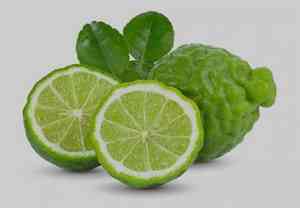
The unique foliage of Kaffir lime immediately stands out in any garden setting. Its vibrant green leaves, often folded or textured, provide a rich, verdant appearance to your outdoor area. This particular pattern not only catches light beautifully but also releases a subtle citrus aroma, engaging multiple senses. Whether used as a solitary feature or within a mixed plant display, Kaffir lime's leaves offer continuous visual interest.
Seasonal Changes: How Kaffir Lime Transforms Throughout the Year
One of the pleasures of including Kaffir lime in your garden is observing its yearly transformation. During spring and summer, anticipate an abundance of fresh, tender leaves, suitable for culinary use. As autumn approaches, growth slows, but leaf colors may deepen, offering a different kind of beauty. Winter is relatively dormant, ensuring the plant rests for its next growth cycle. Understanding these seasonal shifts helps in planning your garden for year-round visual impact.
Selecting the Optimal Location for Kaffir Lime in Your Garden
Assessing Sunlight and Shade Requirements
Kaffir lime is a sun-loving plant that thrives best in full sunlight but can also endure partial shade. When choosing a spot, ensure it receives at least six hours of direct sunlight daily. If your garden area is mostly shaded, consider placing Kaffir lime where it gets morning sun and afternoon shade to shield it from intense heat.
Understanding Soil Preferences
For ideal growth, Kaffir lime prefers well-draining soil with a slightly acidic to neutral pH. Sandy loam or clay soils can work if amended with compost to improve drainage. Ensuring good soil aeration is crucial to prevent root rot and other moisture-related issues. Regular soil testing and appropriate amendments help maintain an optimal growing environment.
Spacing and Positioning Advice
Proper spacing is vital for Kaffir lime to flourish, ensuring good air circulation and reducing nutrient competition. Plant Kaffir lime at least 3 to 5 feet away from other plants or structures. Position it in a spot where it can be a focal point, perhaps near paths or garden entrances, where its attractive foliage and scent can be fully appreciated.
Integrating Kaffir Lime with Other Plants
Companion Planting: Ideal Neighbors for Kaffir Lime
Incorporating Kaffir lime with companion plants can boost your garden's health and beauty. Excellent companions include herbs like basil and lemongrass, which share similar sunlight and soil needs. Flowering plants such as marigolds can also be beneficial, naturally deterring pests. Combining Kaffir lime with these companions creates a harmonious and appealing planting scheme.
Creating Visually Pleasing Plant Groupings
When designing plant groupings with Kaffir lime, consider varying heights, textures, and colors for a balanced look. Placing shorter plants in front and taller ones behind helps highlight Kaffir lime's unique leaves. Pairing Kaffir lime with foliage plants like ferns and hostas or flowering varieties like hibiscus can create an eye-catching display that enhances your garden's overall aesthetic appeal.
Long-Term Care and Maintenance for Kaffir Lime
Seasonal Pruning Techniques
Regular pruning is essential to maintain Kaffir lime's shape and health. Best done in late winter or early spring, pruning helps remove dead or diseased branches, encouraging new growth. Trim back any overgrown sections to control its size and form. Pruning also improves air circulation within the plant, which can reduce the risk of fungal infections.
Fertilization and Watering Schedules
Kaffir lime benefits from a balanced feeding and watering routine. Fertilize monthly during the growing season using a balanced citrus fertilizer. Watering should be consistent but not excessive; aim for moist but well-draining soil conditions. Reduce watering during winter months when the plant's growth naturally slows down.
Styling Tips: Using Kaffir Lime in Garden Design
Incorporating Kaffir Lime in Modern Landscaping
In contemporary garden designs, Kaffir lime can serve as a striking focal point or an elegant background. Its structured foliage pairs well with minimalist and geometric planting schemes. Consider using Kaffir lime in large containers or raised beds for a clean, organized appearance. This approach not only enhances the plant aesthetically but also facilitates easier maintenance and control.
Traditional Uses of Kaffir Lime in Landscape Themes
For traditional landscape themes, Kaffir lime seamlessly integrates into tropical or Asian-inspired garden designs. Its lush foliage and aromatic presence complement elements like bamboo, lotus ponds, and stone pathways. Whether as part of a mixed border or a dedicated citrus grove, Kaffir lime adds an exotic and authentic touch to traditional garden settings.



