Enhancing Your Garden Design with the True cinnamon tree Plant: A Landscaping Guide
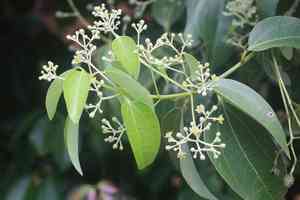
1
Cinnamomum verum provides fragrant and attractive qualities to any landscape.
2
Strategic positioning and complementary planting can enhance the visual appeal of Cinnamomum verum.
3
Consistent care is crucial for the robust development of Cinnamomum verum.
Introducing True Cinnamon Tree in Garden Design
Overview and importance of True cinnamon tree in outdoor aesthetics
Integrating the True cinnamon tree into garden landscaping offers a distinct blend of visual appeal and practical benefits to any outdoor area. Originating from parts of Asia, this tree is celebrated for its fragrant bark and abundant leaves, making it a favored choice among gardeners. Its evergreen foliage provides consistent color, while its aromatic bark adds an unparalleled sensory dimension. The significance of the True cinnamon tree in garden planning extends beyond its beauty; it can also offer shade to delicate plants and serve as a natural deterrent for pests.
Advantages of incorporating True cinnamon tree into your outdoor space
There are numerous advantages to including the True cinnamon tree in your garden's landscape. Firstly, the tree enhances visual interest with its long, shiny leaves and bark that can be harvested for spice. It can also fulfill practical roles, such as acting as a windbreak or contributing to the garden's overall microclimate. Furthermore, the True cinnamon tree holds cultural and historical value, often linked to traditional uses in various cuisines and remedies, boosting its worth beyond mere decoration.
Designing Your Landscape with True Cinnamon Tree
Selecting the optimal spot for True cinnamon tree in your garden
Choosing an appropriate location for the True cinnamon tree in your garden is vital for its healthy development and aesthetic contribution. Ideally, it should be positioned in an area that receives partial to full sunlight and has well-draining soil. Consider the tree's mature size when selecting its spot to ensure it has ample room to grow without crowding other plants. It's also important to place it where it can be best appreciated, perhaps near a seating area where its fragrance can be enjoyed.
Companion plants that complement True cinnamon tree in garden settings
Companion planting with the True cinnamon tree can enhance your garden's beauty and vitality. Plants like lavender, rosemary, and other herbs can complement the True cinnamon tree by creating a fragrant and visually appealing environment. Additionally, ground covers such as creeping thyme can fill in the spaces around the True cinnamon tree, preventing weeds and maintaining soil moisture. These companions not only create a cohesive look but also support the health of your garden ecosystem.
Design suggestions for creating visual impact with True cinnamon tree
To create a visually striking garden design with the True cinnamon tree, consider its shape and foliage. Position it as a focal point where its structure can be highlighted, and use it to define pathways or entrances. Pair it with contrasting leaf colors and textures to emphasize its unique characteristics. Grouping several True cinnamon tree plants together can also create a lush, forest-like appearance, adding depth and layers to your garden. Remember to plan for seasonal changes to keep the landscape looking vibrant throughout the year.
Care Guidelines for a Healthy True Cinnamon Tree
Regular inspections and upkeep for optimal growth
Consistent maintenance is crucial for ensuring the optimal growth of the True cinnamon tree. Routine checks should involve examining the leaves and bark for signs of pests or diseases and confirming the soil remains well-drained. Pruning is also essential to maintain its shape and remove any dead or diseased branches. Regular watering, especially during dry spells, and occasional fertilization will support its ongoing health and vigorous growth.
Seasonal care strategies for True cinnamon tree
Seasonal care strategies for the True cinnamon tree vary based on your local climate. In spring and summer, focus on providing sufficient water and nutrients to support new growth. During autumn, a thorough pruning can prepare the True cinnamon tree for the winter months, reducing the risk of damage from storms and heavy snow. In colder regions, mulching around the base can help protect the roots from frost. Adjust your care routine according to the plant's needs throughout the year to keep it thriving.
Common Issues and Solutions for True Cinnamon Tree Landscaping
Addressing typical diseases and pests affecting True cinnamon tree
The True cinnamon tree can be vulnerable to various diseases and pests, including fungal infections and insect infestations. To tackle these problems, regular monitoring is essential. If you observe signs of fungus, treat the affected areas with appropriate fungicides and improve air circulation around the plant. For pests like aphids or scales, horticultural oils and insecticidal soaps can be effective. Maintaining healthy soil and proper watering practices also helps prevent these issues.
Troubleshooting tips for frequent problems in True cinnamon tree cultivation
Frequent issues with True cinnamon tree cultivation can often be traced back to improper watering or soil conditions. Ensure your tree is planted in well-draining soil and avoid waterlogging, which can lead to root rot. If you notice slow growth or foliage discoloration, consider soil testing to check for nutrient deficiencies and adjust your fertilization routine accordingly. Regular pruning and careful observation will help detect and resolve problems early, maintaining the tree's health and appearance.
True Cinnamon Tree Landscaping Inspiration and Concepts
Creative ways to feature True cinnamon tree in small and large areas
Whether you have a compact urban garden or an expansive landscape, the True cinnamon tree can be a versatile addition. In smaller gardens, consider growing it in a large container, where it can be easily managed and moved to different areas for varying effects. In larger spaces, use the True cinnamon tree to create natural borders or a secluded nook with seating. Incorporating the True cinnamon tree near water features can also enhance its visual and sensory appeal, making it a focal point of relaxation and beauty in your garden.
Collection of successful True cinnamon tree landscaping projects
Explore a gallery of successful True cinnamon tree landscaping projects for inspiration. You'll find examples of the True cinnamon tree used in herb gardens, alongside perennial beds, and as part of sophisticated landscape designs. From minimalist modern gardens to lush, tropical paradises, the True cinnamon tree can adapt to a variety of styles and settings. Draw inspiration from these projects to envision how the True cinnamon tree can transform your own garden space into a serene and inviting environment.



