Enhancing Your Garden Design with the Star apple Plant: A Landscaping Guide
1
Star apple flourishes in soil that drains effectively and receives ample direct sunlight.
2
Consistent trimming aids in preserving the Star apple's visual attractiveness and vitality.
3
Be vigilant for common pests and illnesses that impact Star apple.
Grasping the Importance of Star Apple in Your Garden
Star apple features that enhance garden beauty
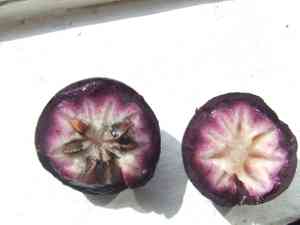
Star apple is prized for its rich foliage and appealing fruits, which can impart a distinct charm to any garden setting. Its dense canopy offers ample shade, making it ideal for establishing tranquil, shaded zones. The graceful form and vibrant leaves of Star apple allow it to function as both a focal point and a complementary backdrop for other garden elements.
Seasonal transformations in Star apple's appearance
Star apple undergoes noticeable shifts throughout the year, providing continuous visual interest in your garden. In spring and summer, Star apple showcases bright green leaves and striking blooms that attract various pollinators. As seasons transition to autumn and winter, its leaves may change colors, and its fruit ripens, adding diverse hues and textures to the landscape.
Star apple's compatibility with other plant species
When considering incorporating Star apple into your garden, it's important to note its ability to coexist well with a variety of plant types. Its moderate growth rate and root system are not overly aggressive, enabling harmonious living with nearby plants. Star apple's shade can offer protection for shade-loving undergrowth, fostering a balanced and diverse garden ecosystem.
Selecting the Optimal Spot for Star Apple
The significance of sun exposure
Star apple thrives best in areas with full sun exposure. Sufficient sunlight is crucial for its development, fruit production, and overall vitality. When choosing a location in your garden, ensure it receives at least 6-8 hours of direct sunlight daily to maximize its growth potential and aesthetic appeal.
Soil types and drainage requirements
The type of soil plays a vital role in the successful cultivation of Star apple. It prefers well-draining soil with a balanced pH level. Poor drainage can lead to root rot and other health problems. Improving soil with organic matter like compost can enhance its structure and fertility, ensuring optimal growing conditions for Star apple.
Space considerations for cultivating Star apple
Space is another critical factor when planting Star apple. It requires ample room for its roots and canopy to expand. Crowding Star apple can hinder its growth and result in competition for nutrients and water. When planning your garden layout, allocate enough space for Star apple to grow without obstruction, promoting healthy development and easier upkeep.
Integrating Star Apple with Other Garden Components
Design concepts featuring Star apple as a central element
Star apple can serve as a stunning focal point in your garden design. Its symmetrical shape and lush foliage make it an ideal centerpiece around which other plants and decorative features can be arranged. For instance, you can place Star apple in the middle of a circular garden bed or at the end of a pathway to draw attention and anchor the design.
Complementary plants and shrubs
Choosing appropriate companion plants can enhance the beauty and health of Star apple. Consider pairing it with smaller shrubs and groundcovers that flourish in similar soil and light conditions. Plants such as ferns, hostas, or flowering perennials can create a layered effect, adding depth and variety to your garden without overshadowing Star apple.
Achieving color harmony with Star apple
Creating a balanced color scheme in your garden is simple with Star apple's adaptable appearance. Its green foliage can act as a neutral backdrop for more colorful plants, or you can select flowers and shrubs that bloom in complementary shades to achieve visual cohesion. Strategically positioning Star apple with plants that have contrasting or harmonious colors can elevate your garden's aesthetic appeal.
Maintenance Advice for Star Apple in Landscape Settings
Routine care tasks for optimal health
Maintaining Star apple demands consistent attention to keep it healthy and vibrant. Regular tasks include pruning to shape the canopy and remove dead or diseased branches, monitoring for pests, and ensuring it receives adequate water and nutrients. Periodically inspect Star apple for signs of stress or illness, and take prompt action to address any issues that arise.
Star apple's water and nutrient requirements
Star apple has specific water and nutrient needs that must be met for it to thrive. While it enjoys consistent moisture, itâs crucial to avoid overwatering, which can lead to root rot. Deep watering once or twice a week is usually sufficient, depending on your climate. Additionally, regular application of a balanced fertilizer will provide essential nutrients, promoting vigorous growth and fruit production.
Seasonal maintenance routines
Seasonal changes necessitate adjustments in your care routine for Star apple. In spring and summer, focus on growth support with fertilization and pest control. During fall, prepare Star apple for colder temperatures by reducing water and avoiding late-season fertilization to prevent tender new growth that can be damaged by frost. Winter care involves protecting Star apple from extreme cold through mulching and, if necessary, using protective covers.
Common Challenges and Solutions with Star Apple
Addressing typical pests and diseases
Like all plants, Star apple can be vulnerable to various pests and diseases. Common problems include aphids, scale insects, and fungal infections. Regular inspection and early intervention are key to managing these issues. Use eco-friendly pesticides and fungicides, and encourage beneficial insects like ladybugs to keep pests in check.
Methods to mitigate weather impacts on Star apple
Extreme weather conditions can stress Star apple, affecting its health and growth. Protect it from strong winds by planting it in a sheltered location or using windbreaks. In areas with heavy frost, consider using frost cloths or moving potted Star apple indoors during cold snaps. Ensuring adequate mulch can help regulate soil temperature and moisture levels throughout the year.
Expert advice for troubleshooting growth problems
If Star apple appears stunted or exhibits abnormal growth, there could be underlying issues with soil, watering, or nutrient supply. Conduct a soil test to check for deficiencies and adjust your fertilization program accordingly. Ensure consistent and appropriate watering, avoiding both drought stress and waterlogging. If problems persist, consulting with a local horticulturist can provide targeted solutions and advice.



