Enhancing Your Garden Design with the Garden mum Plant: A Landscaping Guide
1
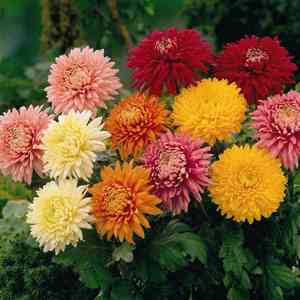
Garden mums bring vivid hues and diverse textures to any outdoor space.
2
Strategic positioning and pairing with other plants can boost the Garden mum's aesthetic.
3
Regular care is crucial for maintaining the Garden mum's health and vigor all year long.
Introducing Garden Mums to Your Landscape
Understanding the impact of Garden mums on garden aesthetics
Garden mums significantly boost garden beauty with their abundant blossoms and vivid hues. These flowers create a striking visual impact, whether used as focal points or integrated into a harmonious garden palette. Their diverse varieties allow gardeners to explore different looks, making Garden mums a flexible option for various landscaping projects. Whether aiming for a classic, modern, or natural garden style, incorporating Garden mums can greatly elevate the overall appearance.
Why select Garden mums for your landscape design?
Opting for Garden mums in your landscape design offers numerous advantages. Beyond their visual appeal, they are relatively simple to cultivate and care for, making them suitable for both beginner and experienced gardeners. Garden mums are known for their hardiness and ability to flourish in diverse climates, which adds to their allure. Furthermore, their extended blooming period ensures your garden remains colorful and vibrant for a prolonged duration.
Designing with Garden Mums: Best Practices
Developing color schemes using Garden mums
When designing with Garden mums, consider the broad spectrum of available colorsâfrom bright yellows and reds to subtle pastels. To establish a unified color scheme, combine complementary colors for visual harmony or choose a monochromatic palette for an elegant look. Blending various shades and tones of Garden mums can help achieve a dynamic and captivating garden design.
Balancing heights and textures among Garden mum types
Achieving balance in heights and textures is crucial for creating an attractive garden landscape with Garden mums. Place taller varieties at the rear or center of your garden beds to add depth and layers, while shorter varieties can define the borders. Mixing Garden mums with diverse foliage plants also provides contrast, enhancing the garden's overall texture. This careful balancing helps create a well-structured and visually pleasing garden area.
Tips for planting Garden mums for maximum visual effect
For peak visual impact, plant Garden mums in clusters or groups rather than individually. This grouping method creates a more robust and colorful display. Ensure adequate spacing, allowing each plant room to grow without overcrowding. Consider light requirementsâfull sun or partial shadeâto ensure optimal growth and flowering. Utilizing raised beds or containers can also help showcase Garden mums' vibrant blooms.
Seasonal Considerations for Garden Mums
Optimal planting times for Garden mums based on your climate
The ideal planting time for Garden mums varies by climate. In cooler regions, it's best to plant them in late spring to early summer to ensure establishment before winter. In warmer climates, early fall can be an excellent time to plant, allowing Garden mums to develop strong roots before summer heat. Always consider your local climate's specific needs to determine the best planting period for Garden mums.
Preparing Garden mums for various seasonal changes
Preparing Garden mums for seasonal shifts involves several key practices. In spring, apply a balanced fertilizer to encourage growth. As autumn approaches, deadhead spent flowers to promote continued blooming. Protect Garden mums from frost by mulching around their base and consider using protective covers in extremely cold conditions. Consistent seasonal care ensures Garden mums remain healthy and vibrant throughout the year.
Companion Plants for Garden Mums
Selecting companion plants that enhance Garden mums
Choosing appropriate companion plants for Garden mums can boost their visual appeal and overall garden health. Consider plants with complementary colors and similar growth habits. Examples include perennial grasses, which offer textural contrast, or evergreen shrubs that provide a stable backdrop. Herbs like lavender or sage can also pair well with Garden mums, adding fragrance and attracting beneficial insects.
How nearby plants can support Garden mum growth
Adjacent plants play a vital role in supporting Garden mum growth. Plants that provide shade can protect Garden mums during the hottest part of the day, preventing wilting. Nitrogen-fixing plants can improve soil fertility, supplying essential nutrients for healthier growth. Additionally, certain companion plants can deter pests, reducing the need for chemical interventions and fostering an eco-friendly garden.
Maintaining the Beauty of Garden Mums in Your Garden
Regular tasks to keep Garden mums flourishing
Consistent maintenance is crucial for keeping Garden mums thriving. This includes routine watering, especially during dry periods, and deadheading faded blooms to encourage new growth. Fertilizing every four to six weeks during the growing season keeps the plants nourished. Additionally, pruning and removing any diseased or damaged foliage helps stimulate healthy new growth and prevents disease spread.
Addressing common challenges when cultivating Garden mums
Growing Garden mums can present challenges such as pests, diseases, and extreme weather. Common issues include aphids and spider mites, which can be managed with insecticidal soap or natural predators like ladybugs. Fungal diseases can be prevented by ensuring good air circulation and avoiding overhead watering. Mulching can help protect roots in extreme temperatures, keeping Garden mums strong and healthy.



