Enhancing Your Garden Design with the Spider plant Plant: A Landscaping Guide
1
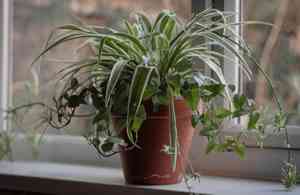
The spider plant is recognized for its ability to cleanse the air, making it a popular choice for both indoor and outdoor settings.
2
This resilient plant can flourish across a range of light environments and needs little upkeep.
3
With its trailing habit, the spider plant offers flexible design possibilities for diverse garden aesthetics.
Introducing Spider Plants in Outdoor Design
Overview of Spider plants and their popularity in outdoor settings
Spider plants are a beloved option for both home gardeners and professional landscapers, prized for their abundant green foliage and minimal upkeep. Their widespread appeal comes from their ability to thrive in various conditions, making them ideal for diverse outdoor environments. Unlike many plants requiring constant attention, Spider plants are resilient, flourishing even with neglect. Furthermore, their cascading leaves offer an appealing display that brings a touch of natural grace to any landscape.
Advantages of integrating Spider plants into outdoor areas
Including Spider plants in your landscape design offers numerous benefits. Firstly, their air-purifying qualities help enhance the air quality around your residence. Secondly, their low water requirements make them an environmentally conscious selection that conserves resources. Additionally, Spider plants are largely resistant to pests, decreasing the need for chemical treatments and making your garden safer for pets and children. Lastly, this plant's visual charm boosts the aesthetic interest of your gardening space, providing year-round greenery that blends well with other plants.
Designing with Spider Plants: Creative Concepts
Utilizing Spider plants as a key focal point in garden layouts
A creative approach to employing Spider plants in your landscape is to establish them as a central focal point. Whether situated in an elegant container or as part of a ground planting, their flowing leaves can capture attention and create a central anchor for the rest of your garden's design. Think about placing them in elevated planters or suspended baskets to amplify their visual effect. This not only improves aesthetic appeal but can also help produce a layered look in your garden, adding depth and dimension.
Integrating Spider plants into compact gardens and patios
Spider plants are particularly well-suited for smaller gardens and patios where space is limited. Their manageable size and spreading growth habit make them perfect for confined areas. Position them around seating zones to cultivate a lush, tranquil atmosphere. You can even use Spider plants to delineate doorways or pathways, guiding visitors through small garden nooks with their trailing fronds. Given their adaptability, Spider plants can thrive in both pots and in the ground, offering flexible design possibilities for various spatial constraints.
Enhancing other plants with Spider plant's distinctive attributes
Thanks to their unique characteristics, Spider plants complement a broad spectrum of other plants. For instance, pairing them with blooming plants such as marigolds or begonias can create a vibrant contrast that boosts the overall beauty of your landscape. Moreover, their soft, arching leaves can provide textural balance to more structured plants like succulents or cacti. This not only enriches the visual design but also the ecological balance of your garden, as the shade from Spider plants can help cool the soil and retain moisture for nearby plants.
Practical Advice for Landscaping with Spider Plants
Optimal placement of Spider plants for healthy growth and visual appeal
Correctly positioning Spider plants in your landscape is vital for both their vitality and aesthetic value. These plants flourish in indirect light, so consider placing them beneath trees or near structures that offer partial shade. While they can endure a few hours of direct sunlight daily, too much can scorch their leaves. Ensure the soil drains effectively, as excessive watering can lead to root rot. When planting in containers, use a potting mix that holds moisture yet drains well.
Spider plant's adaptability across diverse landscape aesthetics
The adaptability of the Spider plant is one of its most valuable traits, making it appropriate for various landscaping styles. Whether your garden is contemporary, cottage-style, or tropical, the Spider plant can blend in effortlessly. It can be used in formal garden layouts where symmetry and clean lines are paramount, or in more relaxed, naturalistic gardens where its sprawling nature adds to the rustic charm. This versatility makes the Spider plant an excellent option for both new gardeners seeking to simplify their planting schemes and seasoned landscapers aiming to diversify their designs.
Seasonal considerations for maintaining the Spider plant's attractive appearance
To preserve the Spider plant's visual appeal through all seasons, some considerations are necessary. During warmer months, consistent watering is crucial to keep the plant hydrated, while in winter, reducing water can prevent root rot. Regularly remove any dead or yellowing leaves to keep it looking vibrant. Fertilize during the active growing seasons of spring and summer with a balanced, water-soluble fertilizer to encourage lush growth. If you reside in a region with cold winters, consider bringing potted Spider plants indoors or providing frost protection for outdoor specimens.
Innovative Applications of Spider Plants in Landscape Design
Integrating Spider plants into vertical gardens for a lush effect
One inventive method for using Spider plants in your landscape is to incorporate them into vertical gardens. Their trailing habit is ideal for wall-mounted planters or vertical structures, forming a luxuriant green curtain. This can significantly enhance smaller areas by adding greenery without occupying ground space. Vertical gardens featuring Spider plants not only maximize space but also elevate the aesthetic charm of walls and fences, transforming them into dynamic, living art pieces.
Creating unique Spider plant arrangements for distinctive areas
Crafting unique arrangements with Spider plants can make your garden truly stand out. Consider combining several Spider plants of varying heights and container types to achieve a tiered visual. Utilize hanging baskets at different elevations around seating areas to form natural screens that offer both beauty and privacy. Furthermore, you can experiment with color contrasts by placing Spider plants near brightly colored garden decor or blooms, making their green foliage pop and treating every corner of your garden as a unique, lively space.



