Enhancing Your Garden Design with the Greater celandine Plant: A Landscaping Guide
1
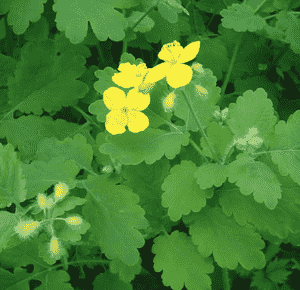
Greater celandine enhances the aesthetic charm of any garden design.
2
Thrives when situated in locations with partial shade for peak development.
3
Offers environmental advantages, fostering native fauna and biodiversity.
Introducing Greater celandine to Your Garden
The visual appeal of Greater celandine
A prominent characteristic of Greater celandine in garden design is its striking visual charm. This plant is recognized for its vivid, attention-grabbing blossoms that can act as focal points in any garden arrangement. The bright flowers offer a beautiful contrast against its green leaves, creating a dynamic visual interest that captures the eye. Whether you're working with a small garden plot or a more expansive landscape, Greater celandine can add a burst of color that enlivens the area. Its distinct look makes it a versatile option for various garden styles, from traditional to contemporary settings.
Best locations for Greater celandine in landscape layouts
To enhance the beauty of Greater celandine, it's essential to position it in an optimal spot within your landscape. Greater celandine flourishes in areas receiving partial shade, so consider placing it around tree perimeters or shaded garden beds. It's ideal for filling in gaps in shady spots where other plants might struggle to grow. Furthermore, planting Greater celandine along paths or as a border plant can help define the garden's structure while boosting its aesthetic appeal. Avoid overly sunny locations, as excessive direct sunlight can stress the plant and negatively impact its overall health and appearance.
Seasonal considerations for planting Greater celandine
The optimal time to plant Greater celandine depends on your region's climate, but generally, spring and early autumn are ideal planting periods. During these seasons, the moderate temperatures and increased rainfall assist Greater celandine in establishing robust roots. In spring, the plant will benefit from warming temperatures and longer days as it prepares to bloom. In fall, planting should occur early enough for the plant to settle before winter's cold. Remember that Greater celandine prefers well-drained soil, so avoid planting in areas prone to waterlogging.
Complementing Plants and Greater celandine
Choosing companion plants for Greater celandine
Greater celandine pairs well with various companion plants that can enhance its beauty and vitality. When selecting companions, seek plants that thrive in similar growing conditions. Shade-loving perennials, such as hostas and ferns, make excellent partners. These plants not only match Greater celandine's light requirements but also provide complementary textures and forms. By planting Greater celandine alongside these companions, you create a visually harmonious and flourishing garden bed.
Color and texture combinations
When designing your landscape with Greater celandine, consider how its colors and textures interact with other plants. The bright flowers of Greater celandine can be accentuated by pairing them with plants that have darker or more subdued foliage, creating a striking contrast. Conversely, mixing Greater celandine with plants of similar hues can create a more unified and tranquil appearance. Additionally, the delicate texture of Greater celandine's foliage can be complemented by plants with bold, broad leaves, adding visual depth and variety to your garden.
Balancing plant heights and volumes
Achieving a balanced landscape design often involves careful consideration of plant heights and volumes. Greater celandine typically grows to a modest height, making it a suitable plant for the mid-layer of your garden. To create a well-balanced look, pair Greater celandine with taller plants in the background and shorter groundcovers or border plants in the foreground. This layering approach not only enhances visual interest but also ensures that all plants receive adequate sunlight and air circulation.
Maintaining the Aesthetic Appeal of Greater celandine
Practical tips for aesthetic upkeep
Keeping Greater celandine looking its best involves some routine maintenance. Regular watering, especially during dry spells, is crucial to maintain its vibrant appearance. However, be careful not to overwater, as Greater celandine prefers well-drained soil. Additionally, mulching around the plant's base can help retain moisture and regulate soil temperature. Regular inspection for pests and diseases is also necessary to detect and address any issues promptly.
Seasonal grooming and pruning
Seasonal grooming is vital in maintaining the neat appearance of Greater celandine. During the growing season, deadheading spent flowers encourages more blooms and keeps the plant looking tidy. Pruning in early spring removes any dead or overgrown stems, allowing Greater celandine to rejuvenate and produce new growth. In fall, a light trim can prepare the plant for the dormant winter season. Consistent grooming ensures that Greater celandine continues to be a standout feature in your garden year-round.
Eco-Friendly Landscaping with Greater celandine
Benefits of Greater celandine in an eco-garden
Incorporating Greater celandine into your landscape design offers numerous ecological advantages. This plant is known for its resilience and ability to thrive in various conditions, making it an excellent choice for sustainable gardening. Greater celandine can reduce the need for chemical inputs like fertilizers and pesticides since it naturally adapts to local conditions. Its minimal maintenance requirements also mean that it has a lower environmental footprint compared to more demanding garden plants.
Promoting biodiversity with Greater celandine
Another significant advantage of planting Greater celandine is its role in promoting biodiversity. The flowers of Greater celandine attract a variety of pollinators, including bees and butterflies, which are crucial for the health of ecosystems. By providing a food source for these beneficial insects, Greater celandine helps support local wildlife populations. Additionally, its dense foliage can offer shelter for small creatures, further enhancing the ecological balance in your garden. Incorporating Greater celandine into your landscape contributes to a richer, more diverse garden environment.



