Enhancing Your Garden Design with the Bamboo palm Plant: A Landscaping Guide
1
Bamboo palm flourishes in indirect light and needs soil that drains effectively.
2
This plant complements numerous companion species, offering continuous aesthetic appeal.
3
Bamboo palm demands little upkeep, making it an ideal selection for gardeners with limited time.
Appreciating the Visual Charm of Bamboo Palm
What visual characteristics make Bamboo palm a desirable option for gardeners and landscapers?
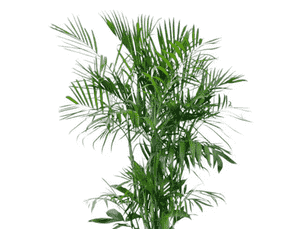
Bamboo palm is notable for its graceful, feathered leaves and slender, cane-like stems, making it an appealing feature in any garden. Its rich green foliage offers a tropical aesthetic, capable of creating a tranquil and exotic ambiance in your outdoor area. Furthermore, its relatively compact size allows it to fit well in both small and large gardens, enhancing visual appeal without dominating the space.
How do the form and height of Bamboo palm improve outdoor environments?
The form and height of Bamboo palm are vital in enhancing outdoor environments. Growing to a moderate stature, this plant serves as an excellent background or filler, adding layers and depth to the garden's visual scheme. The vertical growth habit of Bamboo palm helps break up monotonous horizontal lines, introducing visual interest and dynamism to the landscape. Moreover, its upright shape is ideal for flanking entrances or forming natural screens and privacy barriers.
Examples of garden styles where Bamboo palm is frequently used
Bamboo palm is highly adaptable and can be integrated into various garden styles. It's commonly employed in tropical and subtropical garden designs, where its lush leaves contribute to an exotic feel. In contemporary landscapes, its clean lines and refined look complement sleek, minimalist elements. Additionally, Bamboo palm fits beautifully into Asian-inspired gardens, naturally harmonizing with features like rock formations and water gardens.
Selecting the Optimal Site for Bamboo Palm in Your Garden
Evaluating light requirements for Bamboo palm's best growth
Bamboo palm thrives best in bright, filtered light, mimicking the dappled canopy light of its native environment. While it can endure lower light conditions, placing it in an area that receives indirect light for most of the day will encourage robust growth and vibrant foliage. Avoid direct, intense sunlight, as this can lead to leaf scorching.
Considerations for soil composition and drainage in the planting zone
When planting Bamboo palm, it's crucial to consider the soil type and drainage. This plant prefers well-draining soil rich in organic matter. Sandy or loamy soils are most suitable, ensuring excess water does not accumulate and cause root rot. If your soil is heavy or clay-like, consider amending it with compost or planting Bamboo palm in raised beds or containers to improve drainage.
Strategic placement advice for visual harmony and practical advantages
For visual harmony and practical advantages, consider positioning Bamboo palm in areas where it can create natural screens or serve as a verdant backdrop. It works well in corners or alongside fences and walls, where its vertical form can fill empty spaces. Grouping several Bamboo palms together can also establish a focal point in the garden. When planting near paths or seating areas, ensure ample space for the fronds to spread without obstructing walkways.
Integrating Bamboo Palm with Other Flora
Ideal companion plants for Bamboo palm that boost its beauty and development
Companion plants that flourish in similar conditions can enhance the beauty and growth of Bamboo palm. Plants like ferns, hostas, and begonias, which enjoy comparable filtered light and moisture levels, are excellent choices. Combining different textures and heights can create a dynamic and unified look, making your garden more visually engaging.
How to arrange plant groupings with Bamboo palm for year-round appeal
To arrange plant groupings with Bamboo palm for year-round appeal, combine it with seasonal bloomers and evergreen plants. For instance, pairing it with flowering shrubs like azaleas or camellias can provide bursts of color throughout the year. Incorporating evergreens ensures your garden remains lush and attractive even in colder months, while Bamboo palm offers continuous greenery.
Preventative measures to avoid plant competition and ensure healthy coexistence
To ensure healthy coexistence and prevent plant competition, provide Bamboo palm and its companion plants with sufficient space to grow. Avoid overcrowding, which can lead to competition for light and nutrients. Regularly inspect plants for signs of stress or disease, and apply adequate mulching to retain moisture and control weeds. Pruning as needed will help maintain an open and airy environment, reducing the risk of pests and diseases.
Maintenance Guidelines for Bamboo Palm in Landscaping
Routine care practices to keep Bamboo palm thriving in your landscape
Regular care for Bamboo palm involves consistent watering, especially during dry periods or if planted in containers. Ensure the soil remains moist but not waterlogged. Monthly feeding with a balanced, water-soluble fertilizer can also support healthy growth. Additionally, remove any dead or yellowing fronds to encourage new growth and maintain a tidy appearance.
Seasonal care adjustments for Bamboo palm to preserve its aesthetic quality
Seasonal care adjustments are necessary to keep Bamboo palm looking its best. During the active growing season, increase watering frequency and fertilize more often. In cooler months, reduce watering and avoid fertilization, as the plant's growth slows. If you reside in a region with frost, consider moving potted Bamboo palm indoors or covering outdoor plants to shield them from cold damage.
Common difficulties when cultivating Bamboo palm outdoors and how to resolve them
Common difficulties when cultivating Bamboo palm outdoors include pest infestations and fungal diseases. Regular inspection and prompt intervention can alleviate these issues. Use organic insecticides or neem oil to combat pests like spider mites or aphids. To prevent fungal diseases, ensure good air circulation and avoid over-watering. If problems persist, seek advice from a local garden center or extension service.



