Enhancing Your Garden Design with the Hinoki cypress Plant: A Landscaping Guide
1
Hinoki cypress provides both visual appeal and an easy-care choice for contemporary outdoor spaces.
2
Selecting an appropriate site and complementary plants for Hinoki cypress guarantees its long life and attractiveness.
3
Consistent upkeep and seasonal attention are crucial for maintaining Hinoki cypress's health and vigor.
Introducing Hinoki Cypress to Your Landscape
The visual appeal of Hinoki cypress in contemporary outdoor spaces
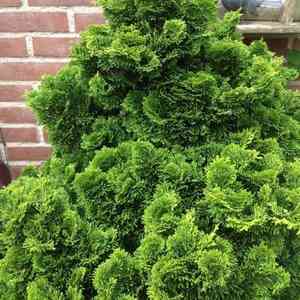
Hinoki cypress, recognized for its graceful leaves and impressive stature, offers a striking enhancement to any garden or yard. Its rich green needles and conical form complement diverse aesthetic approaches, from classic to modern. Beyond its beauty, Hinoki cypress can act as a focal point, a background element, or part of a layered planting scheme, fitting seamlessly into various landscape compositions.
Understanding the growth patterns of Hinoki cypress
Hinoki cypress typically grows slowly, reaching mature heights of up to 50-75 feet with a spread of 10-20 feet, making it suitable for most home landscapes. Its dense, evergreen foliage provides year-round visual interest, while its resistance to common pests and diseases enhances its appeal for gardeners of all experience levels. Knowing these traits helps in deciding how best to integrate Hinoki cypress into your outdoor design.
Why select Hinoki cypress for your garden or yard?
Choosing Hinoki cypress offers numerous advantages beyond its aesthetic charm. It functions as a natural privacy barrier, windbreak, or sound dampener due to its thick foliage. Furthermore, Hinoki cypress adapts well to various soil types and weather conditions, requiring minimal upkeep once established. Its ecological benefits, including providing bird habitat and helping reduce air pollutants, make it an eco-conscious option.
Designing Your Landscape with Hinoki Cypress
A step-by-step guide for integrating Hinoki cypress into your plan
Start by evaluating your landscape's overall layout and determining where Hinoki cypress will have the greatest impact. Account for its mature size, ensuring it won't crowd nearby plants. Dig a hole twice the width of the root ball and as deep as its original container. Position the Hinoki cypress in the hole, backfill with soil, and water thoroughly to establish roots. Mulching around the base helps retain moisture and protect roots, fostering healthier growth.
Choosing the optimal site for Hinoki cypress
Hinoki cypress thrives best in full sun to partial shade with well-draining soil. Avoid low-lying areas prone to waterlogging, which can harm its roots. Consider the amount of sunlight the spot receives throughout the day and ensure it's shielded from strong winds. This thoughtful placement not only supports the plantâs health and development but also enhances the visual structure of your landscape design.
Pairing Hinoki cypress with other plants for balance and contrast
Creating a harmonious plant palette can highlight the best features of Hinoki cypress. Combine it with flowering shrubs like azaleas or perennials such as hostas for a striking contrast. Ornamental grasses and ground covers can offer a soft, unified look around its base. Consider colors, textures, and seasonal changes when designing, ensuring year-round visual appeal and ecological equilibrium in your garden.
Caring for Hinoki Cypress in Landscapes
Essential maintenance practices for the health and beauty of Hinoki cypress
Regular care for Hinoki cypress includes consistent watering, especially during dry periods, and occasional pruning to maintain its form. Promptly remove any dead or diseased branches to prevent further spread. Fertilize in the spring with a balanced, slow-release product to encourage new growth. Always check the soil moisture level before watering to prevent overwatering.
Seasonal care considerations for Hinoki cypress
In autumn, prepare Hinoki cypress for winter by applying mulch around its base to insulate roots. During winter, if snow accumulates, gently shake branches to remove excess weight and prevent breakage. In spring, inspect for any winter damage and trim as needed. Adjust your watering schedule based on the season; summer may require more frequent watering, while winter calls for less.
Addressing common issues when cultivating Hinoki cypress
Yellowing foliage might indicate overwatering or poor drainage, while browning tips could suggest insufficient watering or nutrient deficiencies. Pests such as spider mites can occasionally be a problem; regular inspection and natural insecticides can mitigate this. If you notice any fungal infections, promptly treat with fungicides and improve air circulation around the plant by pruning.
Creative Applications of Hinoki Cypress in Landscape Design
Showcasing real-world examples of Hinoki cypress in landscape architecture
Integrate Hinoki cypress into a rock garden to emulate natural forest scenes, or use it as a prominent feature in a formal garden. Many landscape architects utilize Hinoki cypress to anchor a design, providing stability amidst taller, deciduous trees and vibrant annuals. In urban environments, it serves as a green sanctuary, softening hardscapes like concrete and steel, creating a peaceful atmosphere.
Innovative design concepts for incorporating Hinoki cypress
Consider establishing a living privacy screen with a row of Hinoki cypress plants, or design a small grove as a serene retreat within your yard. For those with limited space, dwarf varieties of Hinoki cypress can be grown in containers, adding green elegance to patios or balconies. The adaptability of Hinoki cypress makes it perfect for both traditional and avant-garde garden designs.
Inspiring DIY projects featuring Hinoki cypress
Host a DIY weekend project by creating a Zen-inspired garden with Hinoki cypress as the focal point, surrounded by gravel, stones, and complementary plants. For a family-friendly project, set up a fairy garden at the base of Hinoki cypress, incorporating miniature furniture and decor. These projects not only enhance your space but also offer rewarding and creative hands-on activities.



