Enhancing Your Garden Design with the Japanese flowering quince Plant: A Landscaping Guide
1
The Japanese flowering quince is a adaptable shrub capable of improving diverse landscape aesthetics with its vivid blooms and seasonal charm.
2
Thoughtful positioning of Japanese flowering quince can significantly boost the aesthetic appeal and general attractiveness of your outdoor space.
3
Appropriate care and knowledge of the Japanese flowering quince's developmental stages are crucial for maintaining its year-round visual allure.
Introduction to Japanese flowering quince in Landscaping
Overview of Japanese flowering quince as a decorative element
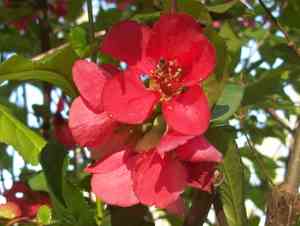
Japanese flowering quince is prized for its striking blossoms that bring a burst of color to any garden. With its vivid flowers, ranging from soft pinks to deep reds, Japanese flowering quince becomes a focal point during its flowering period. Beyond its visual charm, this plant adds a delightful rustic touch to your landscape. It combines aesthetic appeal with practical uses like forming hedges or providing ground cover. This adaptability makes Japanese flowering quince a favored choice among gardeners aiming to enhance their outdoor spaces.
Understanding its impact on landscape design
In landscape design, Japanese flowering quince can significantly influence your garden's visual dynamics. Its capacity to bloom early in spring offers an initial burst of color, signaling the arrival of warmer weather. This can foster a warm and inviting atmosphere in your garden, making it a pleasure for both the eyes and the spirit. Furthermore, the structured form and dense foliage of Japanese flowering quince can be utilized to create borders or as a backdrop for other plants, enhancing the layered depth and texture of your garden layout.
Choosing the Right Location for Japanese flowering quince
Factors to consider for optimal placement
When deciding where to plant Japanese flowering quince, consider elements such as sunlight exposure, soil composition, and available space. Japanese flowering quince thrives in well-drained soil and requires a spot that receives full to partial sun to encourage healthy growth and vibrant blooms. Ensuring sufficient room for development is also vital, as overcrowding can impede its progress. Assess the microclimates within your garden to determine the best position where Japanese flowering quince can flourish and be visually impactful.
Maximizing aesthetic appeal through strategic location
To optimize Japanese flowering quince's visual appeal, place it in areas where its flowers can be showcased. Consider positioning Japanese flowering quince near entrances, pathways, or in garden beds where its striking blossoms can be easily admired. Planting it against contrasting backgrounds, such as dark evergreens or a wooden fence, can make the vibrant flowers stand out even more. Additionally, using Japanese flowering quince in clusters or as part of a mixed border can enhance its presence within the overall garden design.
Integrating Japanese flowering quince with Other Plants
Complementary plants that enhance Japanese flowering quince's beauty
Japanese flowering quince pairs well with various plants. Select companions that complement its blooming season and enhance your garden's overall color scheme. Plants such as hellebores, early-blooming bulbs, and spring-flowering shrubs can create a harmonious visual effect. Consider the heights and textures of these plants to ensure a balanced and cohesive look. Planting Japanese flowering quince alongside low-growing ground covers or contrasting foliage can also add depth and dimension to your garden.
Design tips for floral synergy and color balancing
To achieve floral synergy, focus on creating contrasts and cohesion within your planting scheme. For instance, pairing Japanese flowering quince with plants that have different bloom times can ensure a continuous display of color. Balancing hues, such as combining the bright tones of Japanese flowering quince with softer-colored plants, can create visual harmony. Additionally, consider the shapes and sizes of flowers and leaves to create interesting and appealing contrasts. Thoughtful placement and combinations can make Japanese flowering quince an integral part of a visually stunning garden.
Seasonal Considerations for Japanese flowering quince
Understanding the seasonal bloom cycle of Japanese flowering quince
Japanese flowering quince typically flowers in early spring, gracing your garden with vivid blossoms when many other plants are still dormant. This makes it a valuable addition for early season color. Understanding this bloom cycle allows you to plan your garden's seasonal transitions effectively. Post-bloom, Japanese flowering quince retains its lush green foliage through the summer, with some varieties producing attractive fruits in the fall. Recognizing these stages helps in anticipating and maintaining aesthetic appeal throughout the year.
Preparing your garden for different seasonal impacts
To prepare Japanese flowering quince for varying seasons, ensure it is planted in a sheltered spot to protect it from harsh winter winds. Mulching around the base of the plant in late fall can help retain moisture and shield the roots from frost damage. During the growing season, regular watering and fertilization will promote robust growth and abundant flowering. Pruning after the bloom period helps maintain its shape and encourages healthy growth for the next season. By taking these steps, you can ensure that Japanese flowering quince remains a centerpiece of beauty in your garden across all seasons.
Maintaining the Aesthetic Appeal of Japanese flowering quince
Regular upkeep tips for lasting beauty
Consistent maintenance is crucial for preserving the beauty of Japanese flowering quince. Regular watering, especially during dry spells, helps maintain its health and vigor. Periodic fertilization with a balanced fertilizer ensures it receives the necessary nutrients for vibrant blooms. Pruning dead or damaged branches after flowering not only keeps the plant looking tidy but also promotes better airflow and sunlight penetration. Keeping an eye out for pests and diseases, and addressing them promptly, will help maintain the plant's aesthetic appeal.
Dealing with common issues affecting visual appeal
Japanese flowering quince can face challenges such as aphids, scale insects, and fungal diseases. Regular inspection and early intervention are crucial. Use organic or chemical treatments as needed to address these issues. Ensuring proper spacing during planting can reduce the risk of fungal infections by improving air circulation. Additionally, maintaining clean garden hygiene, like removing fallen leaves and debris, helps prevent the spread of diseases. By addressing these common issues, you can ensure that Japanese flowering quince remains a stunning feature in your garden.



