Enhancing Your Garden Design with the Judas tree Plant: A Landscaping Guide
1
The Judas tree provides beautiful seasonal color shifts, making it a vibrant feature for any outdoor space.
2
This tree is crucial for local ecosystems, providing sustenance for diverse wildlife.
3
Judas trees flourish in many landscape aesthetics, from classic gardens to contemporary layouts.
Why Select Judas Tree for Your Garden?
Visual Charm: Distinctive Characteristics of Judas Tree
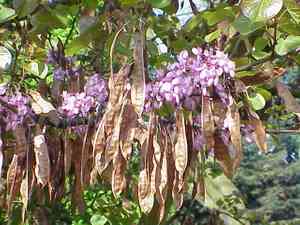
A primary reason to opt for Judas tree in your garden is its visual appeal. This tree is celebrated for its heart-shaped foliage and vivid blooms, which can range from deep pink to reddish-purple. Its unique flowers emerge on bare branches in early spring, creating a striking display before the leaves appear. The twisted, gnarled limbs of Judas tree add a sculptural element to the scenery, making it a talking point for garden visitors.
Yearly Transformations: How Judas Tree Changes Throughout the Seasons
Judas tree presents a captivating exhibition of seasonal shifts that provide year-round interest to your landscape. In spring, the tree is adorned with beautiful blossoms that transition into lush green leaves in the summer. By autumn, the foliage turns golden-yellow, offering a warm, radiant appearance before shedding. Each season introduces a new layer of beauty, making Judas tree a versatile choice for those who appreciate dynamic garden views.
Ecological Advantages: Judas Tree's Contribution to Local Ecosystems
Beyond its visual allure, Judas tree plays a vital role in supporting local ecosystems. This tree supplies nectar for bees and other pollinators, contributing to the health and biodiversity of your garden. Its dense foliage and branches offer refuge to birds and small mammals, making it a miniature ecosystem in itself. Furthermore, Judas tree can help improve soil quality through nitrogen fixation, benefiting other plants in your garden.
Integrating Judas Tree into Various Landscape Styles
Traditional Garden Environments
Judas tree integrates seamlessly into traditional garden settings, particularly cottage gardens. Its vibrant spring flowers and abundant summer foliage complement classic garden plants such as roses, lavender, and peonies. Utilize Judas tree as a focal point in a flower bed or as a backdrop for smaller shrubs and perennials. Its layered floral display pairs well with the structured yet informal feel of traditional garden designs.
Contemporary Landscapes: Incorporating Judas Tree in Modern Designs
For those who favor a modern aesthetic, Judas tree also excels in contemporary landscape designs. Its sculptural branches and bold, seasonal color changes make it a prominent feature against minimalist hardscapes like concrete and steel. Plant Judas tree in front of a plain wall or within a geometric planter to create a striking visual contrast. Pair it with grasses and succulents to maintain a clean, modern vibe while adding dynamic natural elements.
Compact Areas: Utilizing Judas Tree in Limited Spaces
Even if you're working with a smaller garden, Judas tree can be a fantastic addition. Its moderate size and form make it suitable for smaller yards or urban gardens. Growing Judas tree in a large container can help manage its size while adding a vibrant touch to patios and balconies. When space is at a premium, its multi-seasonal appeal ensures that Judas tree delivers maximum impact without dominating the area.
Design Concepts with Judas Tree: Enhance Your Outdoor Space
Central Features: Using Judas Tree to Attract Attention
Make Judas tree the highlight of your garden by employing it as a focal point. Position it where its stunning spring blooms and distinctive branch structure can be most admired. Place Judas tree at the end of a garden path or in the center of a circular bed to create a natural draw for the eyes. By emphasizing Judas tree in your design, you can highlight its beauty and encourage guests to explore your garden further.
Color Harmony: Matching Judas Tree's Flowers with Other Plants
Coordinate the colors in your garden by pairing Judas tree's vibrant blossoms with other complementary plants. For instance, the pink and purple flowers look stunning alongside white flowering shrubs like dogwood or magnolias. In fall, the golden foliage pairs beautifully with asters and chrysanthemums. By considering the colors of surrounding plants, you can create a harmonious garden palette that highlights Judas tree's seasonal transformations.
Borders and Pathways: Lining Routes with Judas Tree
Use Judas tree to line borders and walkways for a visually appealing and practical garden design. Planting a row of Judas tree trees along a path can create a natural, blossoming corridor during spring, enhancing the sense of journey through your garden. The tree's compact size makes it perfect for edging larger garden areas or as a living fence. This practical design not only boosts visual interest but also provides structure and definition to your outdoor space.
Maintaining Judas Tree in Your Landscape
Pruning Advice: Keeping Judas Tree Healthy and Attractive
Pruning Judas tree is essential for maintaining its health and aesthetic appeal. Prune the tree in late summer to control its shape and size and remove any dead or diseased branches. Be careful not to over-prune, as this can stress the tree and reduce bloom production. Regular, light pruning helps maintain Judas tree's structural integrity and encourages robust flowering each spring.
Seasonal Care: Preparing Judas Tree for Weather Changes
Seasonal care is crucial for the longevity and health of Judas tree. In spring, apply a balanced fertilizer to encourage healthy growth. Water regularly, especially during dry spells, but be cautious of over-watering. In autumn, provide a layer of mulch around the base to protect the roots from harsh winter temperatures. By preparing Judas tree for seasonal changes, you ensure it remains resilient and vibrant year-round.
Long-term Development: Ensuring Judas Tree's Vitality Over Many Years
Ensuring the long-term vitality of Judas tree involves a combination of proper planting, feeding, and protection. Choose a well-drained site with full sunlight to partial shade for optimal growth. Protect young trees from pests and diseases with appropriate treatments and regular inspections. Over the years, continue to provide nutrient-rich soil amendments and consistent watering practices. These efforts will support Judas tree's health, allowing it to thrive and beautify your landscape for decades.



