Enhancing Your Garden Design with the Chinese redbud Plant: A Landscaping Guide
1
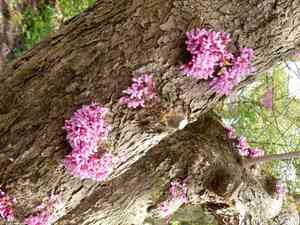
The Chinese redbud provides continuous aesthetic appeal throughout the year, showcasing its vivid blossoms, abundant leaves, and distinctive shape.
2
Thoughtful positioning of the Chinese redbud can greatly boost your property's aesthetic charm and worth.
3
Spring and fall are vital periods for tending to the Chinese redbud to guarantee its vitality and attractiveness.
Introducing Chinese Redbud in Garden Design
Appreciating the aesthetic charm of Chinese redbud
The aesthetic charm of Chinese redbud stems from its striking seasonal transformations and distinctive form. In spring, it erupts with a vivid display of blooms, becoming a magnificent centerpiece in any garden. Its heart-shaped leaves provide lush green in summer and shift to a golden hue as autumn approaches. These combined attributes make Chinese redbud a versatile and appealing addition to any landscape.
Seasonal changes and their effect on garden beauty
Chinese redbud offers a dynamic spectrum of colors and textures throughout the year. In spring, it showcases clusters of pinkish-red flowers that captivate observers. As summer arrives, its abundant green foliage takes prominence, offering a cooling visual. By autumn, the leaves turn a brilliant yellow, adding warmth to the scenery. The continuous evolution of Chinese redbud ensures your garden remains visually stimulating and engaging year-round.
Optimal Positioning of Chinese Redbud for Visual Impact
Strategic locations for planting Chinese redbud to improve property views
Thoughtfully placing Chinese redbud in your landscape can significantly boost your property's visual appeal. Consider planting it near entrances to foster a welcoming ambiance or along paths to guide visitors through your garden. Furthermore, positioning Chinese redbud in areas visible from windows can establish an ongoing visual link between indoor and outdoor spaces, making your property feel more expansive and unified.
Pairing Chinese redbud with other plants for a unified look
Achieving a unified landscape design with Chinese redbud involves combining it with complementary plants. Think about using evergreens as a backdrop to accentuate Chinese redbud's seasonal shifts or pairing it with flowering shrubs that bloom at different times to ensure continuous color in your garden. Incorporating groundcovers and ornamental grasses around Chinese redbud can amplify its visual impact and create a layered, textured effect that pleases the eye.
Seasonal Maintenance Advice for Chinese Redbud
Spring care insights
Spring is a crucial season for Chinese redbud care. It's when the plant emerges from winter dormancy and prepares to flower. Adequate watering and applying a balanced fertilizer can support robust growth and vibrant blooms. Additionally, pruning any dead or damaged branches in early spring can enhance its overall shape and encourage strong growth throughout the season.
Autumn preparation tips
Preparing Chinese redbud for autumn involves several key tasks to ensure its health as it enters dormancy. Begin by reducing watering as temperatures drop to prevent root rot. Applying a layer of mulch around the plant's base helps retain moisture and insulates the roots. A light pruning after the first frost can also help maintain its form and remove any deadwood, setting the stage for vigorous growth the following spring.
Integrating Chinese Redbud in Small vs. Large Spaces
Tips for maximizing Chinese redbud's effect in compact gardens
In compact gardens, optimizing Chinese redbud's impact involves careful placement and pruning to maintain a manageable size. Planting it in a prominent spot, such as a central feature or near a seating area, can maximize its visual appeal. Regular pruning will help control its growth and keep it proportional to the space. Moreover, using planters allows you to enjoy Chinese redbud's beauty without occupying too much ground space, making it a versatile choice for confined areas.
Utilizing Chinese redbud as a focal point in expansive landscapes
In larger landscapes, Chinese redbud can serve as a striking focal point due to its unique characteristics and seasonal changes. Planting it in an open area where it has ample room to thrive allows it to display its full splendor. Consider integrating it into mixed borders or as a standalone specimen against a backdrop of other trees and shrubs. The expansive space can accommodate its natural growth habit, creating a statement piece that draws attention and enhances the overall landscape design.
Common Questions on Landscaping with Chinese Redbud
What are the best companion plants for Chinese redbud?
Chinese redbud pairs well with various plants that share similar growing conditions. Companion plants like evergreens, ornamental grasses, and flowering shrubs such as azaleas or hydrangeas can complement its seasonal variations. These plants not only enhance Chinese redbud's aesthetic appeal but also create a visually diverse and harmonious garden environment.
How often should Chinese redbud be pruned for optimal growth?
Pruning Chinese redbud should be done annually, ideally in early spring before new growth emerges. Removing dead or damaged branches promotes healthy development and improves its shape. Light pruning can also be performed after the blooming season to maintain size and form, ensuring the plant remains both healthy and visually appealing throughout the year.



