Enhancing Your Garden Design with the Eastern redbud Plant: A Landscaping Guide
1
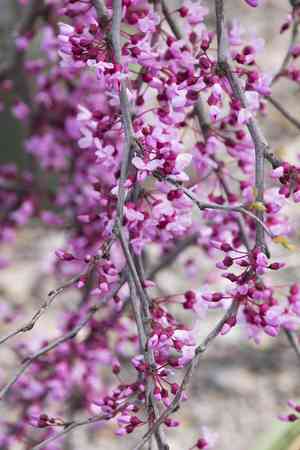
The Eastern redbud brings vivid hues to your outdoor space, particularly when it flowers.
2
Thoughtful placement of Eastern redbud can establish prominent features and enhance your garden's aesthetic.
3
Eastern redbud provides continuous appeal, from its spring blooms to its winter silhouette.
Introducing Eastern Redbud in Landscape Design
Understanding the Eastern Redbud's role in outdoor environments
The Eastern Redbud is a versatile plant that can enhance various landscapes, offering structure, color, and a touch of elegance. Whether you're working with a small garden or a large yard, incorporating this tree can create a sense of place and intimacy. Its adaptability to different settings makes it an excellent choice for improving garden aesthetics.
The visual impact of Eastern Redbud through seasonal changes
One of the most striking features of the Eastern Redbud is its ability to provide visual interest throughout the year. In spring, its vibrant blossoms create a burst of color that can brighten any space. During summer, its lush foliage offers shade and a pleasant backdrop for other plants. In fall, it transforms again, with leaves turning brilliant shades of yellow. Even in winter, its hardy branches add a sculptural element to the landscape.
Advantages of incorporating Eastern Redbud into your garden or yard
Beyond its visual appeal, the Eastern Redbud offers numerous benefits for gardeners. It requires relatively low maintenance and can adapt to various soil types, making it a practical choice. Additionally, its flowers attract pollinators such as bees and butterflies, contributing to the ecological health of your garden. By planting Eastern Redbud, you support biodiversity while enhancing your outdoor space.
Design Concepts Utilizing Eastern Redbud
Creating focal points with Eastern Redbud
The Eastern Redbud can serve as a stunning focal point in your landscape design. Plant it in a prominent location where its spring blossoms will be highly visible, such as near entryways or along walkways. The striking color contrast it provides against green foliage can draw the eye and anchor the design of your garden.
Companion plants that complement Eastern Redbud
To maximize the impact of Eastern Redbud, pair it with plants that complement its color and texture. Consider underplanting with spring bulbs like tulips or daffodils, which will bloom simultaneously and enhance the overall display. Shrubs such as hydrangeas or azaleas can provide additional color and texture, creating a layered and dynamic look.
Using Eastern Redbud in compact and expansive areas
The Eastern Redbud is versatile enough to thrive in both small and large spaces. In a compact garden, a single tree can make a significant impact. For larger yards, consider planting multiple Eastern Redbuds in groups, which can create a naturalistic woodland effect. Even training it as a hedge can be an innovative way to use this plant in various landscape designs.
Seasonal Considerations for Eastern Redbud
Spring and summer advantages of Eastern Redbud
During spring, Eastern Redbud bursts into bloom, covering its branches with clusters of vibrant flowers, bringing early-season color to your garden. As summer sets in, its heart-shaped leaves provide a lush, green canopy that offers shade and a cooling effect, perfect for creating a comfortable outdoor space.
Autumn splendor of Eastern Redbud
Come autumn, Eastern Redbud continues to shine with its foliage turning striking hues of yellow and gold. This seasonal change adds a warm and inviting feel to your landscape. The colorful leaves not only enhance the visual appeal but also bring a fresh wave of excitement and beauty to your garden design.
Winter presence and resilience
Even in the coldest months, Eastern Redbud maintains its charm. The plant’s sturdy and attractive branch structure provides visual interest and textural contrast against the winter landscape. Its resilience in winter adds enduring beauty and ensures your garden remains appealing throughout the year.
Practical Placement Advice for Eastern Redbud
Analyzing light and soil requirements
For optimal growth, Eastern Redbud should be planted in a location that receives full to partial sunlight. It thrives best in well-drained soil but is adaptable to a variety of soil conditions, including clay. Ensure the chosen spot meets these requirements to support the health and growth of Eastern Redbud.
Considering long-term growth patterns
When planting Eastern Redbud, take into account its growth patterns over time. It can grow into a medium-sized tree, so plan its placement to accommodate future growth. Avoid planting too close to buildings or other structures to prevent overcrowding and ensure it has enough space to expand.
Spacing and grouping strategies
Proper spacing is crucial for visual impact and plant health. If planting multiple Eastern Redbuds, ensure each plant is spaced adequately apart to allow for air circulation and growth. Grouping Eastern Redbuds with complementary flora can create harmonious clusters and enhance the overall design of your landscape.



