Enhancing Your Garden Design with the Perennial cornflower Plant: A Landscaping Guide
1
Perennial cornflower thrives in both direct sun and dappled light, offering flexibility for diverse garden placements.
2
Consistent removal of spent blooms from Perennial cornflower promotes extended flowering and maintains a tidy garden appearance.
3
Perennial cornflower draws in helpful pollinators such as bees and butterflies, boosting the garden's ecological variety.
Introducing Perennial Cornflower in Garden Design
Overview of Perennial cornflower in garden settings
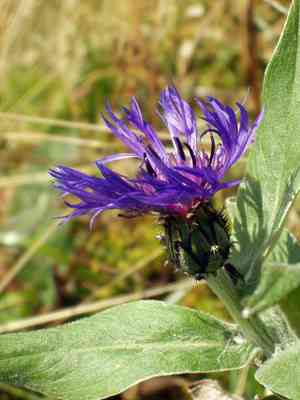
Integrating Perennial cornflower into your garden can greatly enhance its visual appeal. Renowned for its striking blue blossoms and dense, green foliage, Perennial cornflower integrates seamlessly into various garden styles. This decorative plant is not only attractive but also resilient, making it an excellent option for both new and experienced gardeners aiming to introduce vibrant color to their outdoor areas.
The visual impact of Perennial cornflower in outdoor spaces
Perennial cornflower creates a significant visual impact due to its vivid blue blooms, which contrast beautifully with its lush green leaves. This contrast establishes a captivating visual focal point in any garden. Furthermore, its perennial nature means it will re-emerge annually, providing continuous beauty and structure to your garden scheme. Whether planted in flowerbeds, borders, or as part of a wildflower garden, Perennial cornflower offers both aesthetic and ecological advantages.
Selecting the Ideal Spot for Perennial Cornflower
Sunlight and shade requirements
When choosing a site for Perennial cornflower, it's crucial to consider its light exposure needs. Perennial cornflower thrives in full sun but can also endure partial shade, making it a flexible addition to many garden environments. Ensure it receives at least 4-6 hours of direct sunlight daily for optimal growth and flowering.
Soil preferences for optimal growth
For Perennial cornflower to flourish, it is vital to plant it in well-draining soil. While it can tolerate various soil types, it performs best in moderately fertile, loamy soil with good drainage. To improve soil conditions, consider incorporating organic matter, such as compost, to enhance soil fertility and structure.
Integrating Perennial Cornflower into Themed Landscaping
Creating color schemes with Perennial cornflower's hues
Perennial cornflower's vibrant blue flowers can be utilized to establish stunning color palettes within your garden. Combine it with other plants featuring complementary colors like yellows, whites, and pinks to craft a visually pleasing and unified design. Using Perennial cornflower in a color-themed garden not only highlights its distinct beauty but also elevates the overall aesthetic of your landscape.
Pairing Perennial cornflower with complementary plants
To maximize the impact of Perennial cornflower in your landscaping, consider pairing it with plants that complement its growth habits and bloom times. Good companions include plants that thrive in similar soil and light conditions, such as daylilies, lavender, and coneflowers. These combinations can enhance your garden's visual appeal and create a balanced, harmonious design.
Care Guidelines for Landscaping with Perennial Cornflower
Seasonal care for maintaining aesthetic appeal
Caring for Perennial cornflower involves some seasonal maintenance to preserve its beauty. Regular deadheading is essential to encourage continuous blooming and keep the plant looking vibrant. In late autumn, cut the plant back to ground level to prepare it for the next growing season. Mulching in winter can protect roots from extreme cold and help retain moisture.
Managing common pests and issues
While Perennial cornflower is generally robust, it may encounter common pest problems such as aphids or powdery mildew. Regularly inspect your plants for signs of pests or disease. Use organic insecticidal soap to control pests and ensure good air circulation around the plants to prevent fungal infections. Practicing good garden hygiene, like removing dead leaves and debris, can also help reduce the likelihood of pest issues.
Utilizing Perennial Cornflower for Environmentally Friendly Gardening
Benefits of Perennial cornflower in fostering biodiversity
Perennial cornflower is an excellent choice for boosting biodiversity in your garden. Its bright flowers attract a variety of pollinators, including bees, butterflies, and beneficial insects, which are crucial for ecosystem health. By incorporating Perennial cornflower into your garden, you're not only adding beauty but also supporting local wildlife.
Water conservation techniques with Perennial cornflower
Integrating Perennial cornflower into your garden can also contribute to water conservation. This plant is relatively drought-tolerant once established, requiring minimal watering. To optimize water efficiency, consider applying mulch around the plant's base to retain soil moisture. Additionally, implementing a drip irrigation system can further reduce water usage while ensuring Perennial cornflower receives adequate hydration.



