Enhancing Your Garden Design with the Cornflower Plant: A Landscaping Guide
1
Cornflower provides a lively spectrum of hues, enhancing diverse garden designs.
2
Cornflower's recurring bloom periods guarantee continuous visual appeal.
3
Given proper attention, Cornflower flourishes in varied garden settings, contributing aesthetic value and form.
Appreciating Cornflower's Visual Appeal
Dynamic Color Range: How Cornflower's shades enhance various garden designs
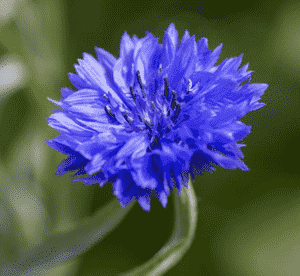
A prominent characteristic of Cornflower is its lively spectrum of colors. These striking hues can invigorate any garden space, making Cornflower a flexible choice for diverse landscaping concepts. Whether you're aiming for a bold, captivating display or a more subtle and harmonious appearance, Cornflower can integrate seamlessly into your plan. The rich blues, purples, and occasional pinks of Cornflower can establish a stunning contrast against green foliage, brightening any area and drawing attention.
Seasonal Flowering Cycles: Maximizing visual impact throughout the year
Cornflower not only showcases beautiful colors but also possesses a blooming cycle that guarantees your garden remains visually appealing across different seasons. By comprehending and planning around Cornflower's flowering periods, you can achieve a continuous array of colors throughout the year. Spring and summer are particularly vibrant times for Cornflower, making it a crucial element in maintaining a lively and dynamic landscape. When other plants are not in bloom, Cornflower can fill in the gaps, offering continuous color and interest.
Stature and Form: Strategic placement in garden layouts
Beyond color, the height and structure of Cornflower can be strategically utilized to enhance your landscape design. Cornflower typically reaches a moderate height, making it an excellent option for both front and middle garden borders. Its upright stems and dense foliage provide a fine texture that can complement other plants. By positioning Cornflower thoughtfully, you can create layers of visual interest, helping to guide the eye through your garden and creating a more cohesive and well-considered design.
Integrating Cornflower into Various Garden Styles
Formal Gardens: Balancing order with Cornflower's charm
Formal gardens often demand a balanced and symmetrical approach. Cornflower, with its structured growth and consistent flowering pattern, can contribute to the elegance and orderliness of formal landscapes. Planting Cornflower in organized rows or geometric patterns can enhance the symmetry, while its natural grace adds a touch of charm to the rigid lines and shapes typical in formal gardens.
Cottage Gardens: Emphasizing informality and abundance with Cornflower
For those who prefer a more relaxed and abundant style, the cottage garden is an ideal setting for Cornflower. The loose and informal planting style of cottage gardens complements the carefree and natural look of Cornflower. Mixing Cornflower with other perennial favorites like roses, daisies, and foxgloves can create a delightful and whimsical landscape. The abundant blooms of Cornflower add to the overflowing and lush look that characterizes cottage gardens.
Modern Landscapes: Utilizing Cornflower for minimalist designs
Even in modern, minimalist landscapes, Cornflower has a place. Its distinct color and form can serve as focal points or accent pieces within a clean and simple design. Planting Cornflower sparingly in a minimalist garden allows it to stand out and make a bold statement without overwhelming the space. The simplicity of Cornflower's form contrasts beautifully with sleek and structured modern elements, offering a touch of natural beauty.
Companion Plants: Ideal Neighbors for Cornflower in Your Garden
Enhancing Cornflower with Perennials: Suitable long-term partners
To get the most from Cornflower, it's crucial to consider its companions in the garden. Perennials like lavender, echinacea, and salvia pair beautifully with Cornflower, creating a textured and colorful tapestry. These plants not only complement Cornflower's aesthetic but also share similar growing conditions, making garden maintenance easier. By selecting perennials that bloom at different times, you can ensure a continuous and coordinated display.
Seasonal Companions: Annuals that thrive with Cornflower
Annuals are another excellent option for planting alongside Cornflower. Plants like marigolds, zinnias, and cosmos can be superb seasonal companions. These annuals add bursts of color and can be rotated each year, providing variety alongside the more constant presence of Cornflower. This combination keeps the garden lively and allows you to experiment with different color schemes annually.
Supportive Shrubs: Adding structure and depth
Shrubs can add structure and depth to a garden featuring Cornflower. Consider pairing Cornflower with evergreen shrubs like boxwood or holly, which provide a year-round backdrop. These shrubs offer a solid foundation that highlights the delicate beauty of Cornflower and other flowering plants. The combination of shrubs and Cornflower creates a more diverse and visually interesting landscape, enhancing both form and function.
Maintaining Cornflower's Beauty: Tips and Techniques
Light and Watering Needs: Ensuring optimal conditions
Cornflower flourishes in full sun, requiring at least six hours of sunlight daily. Ensure that your garden spot meets these light requirements for the best blooms. Watering should be consistent but not excessive; Cornflower prefers well-drained soil and can suffer from root rot if overwatered. Monitoring the soil moisture and watering as needed will promote healthy growth and vibrant flowers.
Soil and Fertilization: Essential nutrients for vigorous growth
The correct soil conditions are vital for Cornflower's success. Well-drained loamy soil with a slightly alkaline to neutral pH is ideal. Adding organic matter or compost can enhance soil fertility and structure. Regular fertilization during the growing season, using a balanced, slow-release fertilizer, will ensure that Cornflower gets the nutrients it needs to thrive. Avoid high-nitrogen fertilizers as they can lead to lush foliage but fewer blooms.
Pruning and Care: Keeping Cornflower healthy and neat
Pruning is a crucial part of keeping Cornflower looking its best. Deadheading, or removing spent blooms, encourages more flowers to grow and prevents the plant from going to seed prematurely. Additionally, cutting back the plant in the fall after the flowering season can help promote robust growth the following spring. Regular monitoring for pests and diseases will also keep your Cornflower healthy and attractive.



