Enhancing Your Garden Design with the Cedar of lebanon Plant: A Landscaping Guide
1
The Cedar of Lebanon enhances any setting with its historical and visual appeal.
2
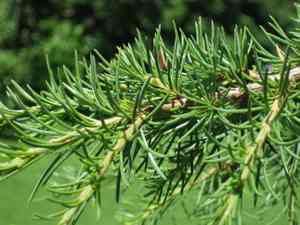
Its evergreen leaves provide continuous beauty throughout the year.
3
Combining the Cedar of Lebanon with other flora can result in attractive and balanced garden designs.
Introducing the Cedar of Lebanon in Landscape Design
A brief look at the Cedar of Lebanon's distinct beauty and historical importance.
The Cedar of Lebanon is celebrated for its grand appearance and historical significance. Hailing from the Mediterranean, this tree has long symbolized strength and resilience. Historically, it was utilized for building, shipbuilding, and as an ornamental feature in royal gardens. Its distinct pyramidal form and dense foliage make it a prominent addition to any landscape, conveying a sense of timelessness and grace.
Examining the Cedar of Lebanon's popularity in contemporary and classic landscape designs.
The Cedar of Lebanon remains a favored option for both modern and traditional garden aesthetics. In current landscapes, it often serves as a focal point or statement piece due to its impressive stature and lush canopy. Traditional designs also value the Cedar of Lebanon for its classic elegance and structured form. Whether in grand estates or smaller urban gardens, the Cedar of Lebanon imparts a touch of majesty and refinement.
Visual Impact of the Cedar of Lebanon in Garden Settings
Discussing the Cedar of Lebanon's striking presence and its effect on how viewers perceive it.
The commanding presence of the Cedar of Lebanon captures attention in any garden space. Its towering height and broad spread create a dramatic effect, drawing the eye and offering a sense of scale and balance. This tree's symmetrical shape and dense branches provide a visually pleasing structure that enhances the overall beauty of a landscape. The Cedar of Lebanon acts as a natural anchor, grounded and impressive, making it an excellent choice for creating impactful garden designs.
Color and texture contributions of the Cedar of Lebanon to garden diversity.
The rich, green foliage of the Cedar of Lebanon offers a vibrant, evergreen color that stays brilliant throughout the year. Its needles are soft to the touch, adding a textural element that contrasts beautifully with other plants. This textural variety is especially effective when the Cedar of Lebanon is paired with plants of different colors and shapes, creating a visually dynamic garden space. Furthermore, the deep, shadowy hue of the foliage can create a serene, calming effect, making the Cedar of Lebanon not only a visual highlight but also a source of peace.
Seasonal Allure of the Cedar of Lebanon
Exploring how the Cedar of Lebanon changes with the seasons.
Throughout the year, the Cedar of Lebanon presents a dynamic display of beauty. In spring, it reveals fresh, tender shoots that add a touch of light green to its darker shade. Summer showcases the treeâs full, lush canopy, providing ample shade and a cool, green sanctuary. Come autumn, while the Cedar of Lebanon maintains its evergreen status, the contrast with deciduous trees creates a stunning visual tapestry of changing colors. Winter highlights its sturdy structure, with snow adorning its branches, making it appear like a natural sculpture in a winter wonderland.
Advantages of year-round color and foliage.
One of the key attributes of the Cedar of Lebanon is its capacity to provide year-round color and foliage. Unlike deciduous trees, which shed their leaves in winter, the Cedar of Lebanon retains its greenery, offering continuous visual appeal. This constant evergreen presence not only boosts aesthetic charm but also provides practical benefits such as serving as windbreaks and privacy screens. Ensuring your garden remains beautiful even in colder months, the Cedar of Lebanon is invaluable for maintaining an inviting outdoor space all year long.
Pairing the Cedar of Lebanon with Other Plants
Optimal companion plants for the Cedar of Lebanon in a landscape design.
Selecting suitable companion plants for the Cedar of Lebanon can greatly enhance your garden's visual appeal. Plants like azaleas, rhododendrons, and hostas are excellent choices as they thrive in the filtered light created by the Cedar of Lebanon. These plants also introduce vibrant colors that beautifully contrast with the deep green of the Cedar of Lebanon's foliage. Flowering plants such as dogwoods and Japanese maples can offer seasonal bursts of color that complement the evergreen stability of the Cedar of Lebanon.
Advice on creating visually appealing plant arrangements.
When planning plant groupings with the Cedar of Lebanon, consider the height, color, and texture of each plant. Arrange plants by their height, with taller plants like the Cedar of Lebanon at the back and shorter plants in front. This creates a layered effect that adds depth to your garden. Mixing plants with varied leaf shapes and textures can create a more visually dynamic and attractive landscape. Additionally, repeating certain plants or colors can establish harmony and continuity in your design, making your garden feel cohesive and thoughtfully planned.
Maintaining the Cedar of Lebanon for Enduring Success
Overview of fundamental care guidelines for the Cedar of Lebanon.
Caring for the Cedar of Lebanon is relatively straightforward, but it does require some attention to ensure its health and beauty. Regular watering, especially during dry spells, is vital to keep the soil moist. Pruning is essential to maintain its shape and remove any dead or diseased branches. Additionally, applying mulch around the base can help retain soil moisture and reduce weeds. Fertilizing the Cedar of Lebanon once a year with a balanced, slow-release fertilizer can also promote healthy growth.
How to ensure the Cedar of Lebanon flourishes in your landscape.
To ensure the Cedar of Lebanon thrives in your garden, plant it in well-drained soil and in a location that receives full sun to partial shade. It is also crucial to regularly monitor for pests and diseases and take prompt action if any issues arise. Providing a deep watering system can help establish a strong root system, vital for the tree's longevity and stability. With proper care and attention, the Cedar of Lebanon can be a lasting, beautiful presence in your landscape for many years to come.



