Enhancing Your Garden Design with the Atlas cedar Plant: A Landscaping Guide
1
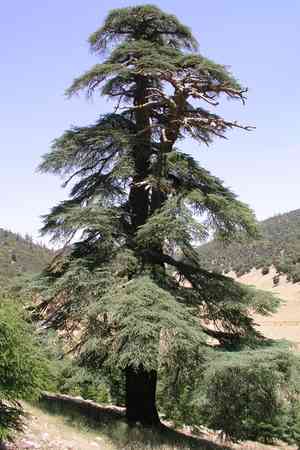
Atlas cedar provides continuous aesthetic appeal, making it a perfect centerpiece for any garden design.
2
Atlas cedar's versatility enables it to flourish in diverse soil compositions and weather patterns.
3
Incorporating Atlas cedar can boost real estate worth and support ecological well-being.
Introducing Atlas Cedar in Landscape Design
Overview of Atlas cedar's characteristics and visual appeal
Atlas cedar is renowned for its grand appearance and striking blue-green needles. Its impressive height and graceful form make it a prominent feature in any garden. The slow growth rate and distinctive coniferous shape ensure that Atlas cedar remains a central element in your outdoor area throughout the year. Its robust, spreading branches offer not only visual interest but also a sense of structure and stability to the environment.
Why select Atlas cedar for your outdoor spaces?
Choosing Atlas cedar for your landscape offers numerous advantages. This resilient tree resists many pests and diseases, making it a low-maintenance yet high-impact option. Its deep root system provides drought resistance once established, leading to less watering and greater sustainability. Furthermore, Atlas cedar can function as a natural windbreak or privacy screen, offering practical uses alongside its decorative value.
The Adaptability of Atlas Cedar in Landscape Designs
Integrating Atlas cedar into diverse landscape themes
The adaptability of Atlas cedar allows it to fit seamlessly into various landscape themes, be they traditional, modern, or rustic. Its neutral yet striking color palette can complement a wide array of other plants and hardscapes. For instance, in a Japanese garden, Atlas cedar can be paired with stone lanterns and water features to create a tranquil and balanced look. In a contemporary landscape, its clean lines can be contrasted with minimalist design elements for a sophisticated aesthetic.
Examples of Atlas cedar in residential and commercial environments
Atlas cedar can be equally effective in both residential and commercial landscapes. In home gardens, it serves as a stunning focal point in the front yard or a majestic centerpiece in the backyard. Its height and stature can form a natural canopy for garden furniture, enhancing outdoor living areas. In commercial settings, Atlas cedar is often found in corporate parks and public gardens, where its presence adds a touch of elegance and continuity, fostering a peaceful and professional atmosphere.
Pairing Atlas Cedar with Other Flora
Complementary plants that enhance Atlas cedar's prominence
Pairing Atlas cedar with plants that highlight its unique attributes can dramatically elevate your landscape. Underplanting with low-growing ground covers like vinca or hostas can provide a contrasting texture and color that accentuates Atlas cedar's striking foliage. Adding flowering shrubs such as rhododendrons or azaleas nearby offers seasonal color variations that make Atlas cedar even more visually engaging. The key is to select plants that thrive in similar soil and light conditions, ensuring all elements coexist harmoniously.
Avoiding competitive planting near Atlas cedar
While pairing Atlas cedar with other plants can be beneficial, it's crucial to avoid competitive planting. Refrain from placing other large trees or shrubs too close to Atlas cedar as they may compete for nutrients, water, and root space. Instead, opt for smaller, non-invasive plants or ground covers that do not interfere with Atlas cedar's root system. Ensuring ample space around the base of Atlas cedar will also improve air circulation, reducing disease risk and promoting overall plant health.
Seasonal Considerations for Atlas Cedar
Optimal times of year for planting Atlas cedar
The best time to plant Atlas cedar is during early spring or late fall when conditions are cooler and less stressful for the plant. These periods allow the tree to establish its root system before the extreme temperatures of summer or winter arrive. It's important to choose a location with well-drained soil and sufficient sunlight to give Atlas cedar the best start in your landscape. Providing ample water during the initial planting phase will help the tree establish more quickly.
How Atlas cedar transforms with the seasons
Atlas cedar offers year-round appeal, undergoing subtle changes that mark the seasons. In spring, you'll observe new growth that adds a fresh, bright hue to the tree. During summer, the tree's dense foliage provides much-needed shade and a cool retreat. Come fall, the needles may take on a slightly different shade, adding to the garden's seasonal palette. In winter, Atlas cedar stands out against the stark landscape, its evergreen foliage offering color and life when most other plants are dormant.
Long-Term Advantages of Incorporating Atlas Cedar in Your Landscape
Increasing property value with mature Atlas cedar
Integrating Atlas cedar into your landscape can significantly boost your property's value. As the tree matures, it becomes an established and integral part of the garden, providing beauty and structure that prospective buyers often seek. Mature trees indicate a well-maintained and established landscape, which can make your property more appealing and increase its market value. The longevity and low maintenance of Atlas cedar also mean it will continue to provide these benefits for years to come.
Environmental benefits linked to planting Atlas cedar
Beyond its aesthetic and property value advantages, Atlas cedar also contributes positively to the environment. The tree's dense foliage helps reduce carbon dioxide levels and improve air quality. It also provides habitat for various birds and small wildlife, fostering biodiversity in your garden. The extensive root system aids in soil stabilization, reducing erosion and enhancing water retention in the soil. By planting Atlas cedar, you're not just beautifying your landscape but also contributing to environmental sustainability.



