Enhancing Your Garden Design with the Blueblossom Plant: A Landscaping Guide
1
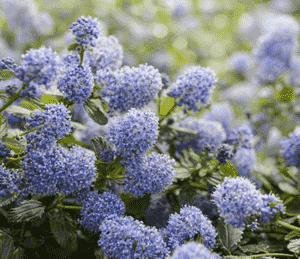
Blueblossom provides vivid flowers that introduce a burst of color to your outdoor area.
2
Its perennial leaves guarantee your scenery remains verdant throughout the year.
3
Knowing its developmental patterns assists in designing organized garden layouts.
Understanding the Garden Advantages of Blueblossom
Visual Appeal: The Vivid Flowers of Blueblossom
A primary reason many gardeners select Blueblossom is its stunning blossoms. Its flowers emerge in brilliant hues, creating a striking display in any garden. Whether you aim to establish a focal point or simply introduce a burst of color, Blueblossom is an excellent option. Its blooms attract not only human observers but also beneficial pollinators like bees and butterflies, transforming your garden into a hub of activity and vitality.
Evergreen Foliage: Constant Beauty Throughout the Year
Unlike many deciduous plants that shed leaves in winter, Blueblossom features lush evergreen foliage. This ensures your garden stays green and vibrant, even during colder periods. The consistent greenery offers a stable background for other seasonal plants, guaranteeing your garden is never without life. Moreover, the foliage provides shelter and protection for small wildlife, adding another layer of ecological value to your outdoor space.
Growth Pattern: How Blueblossom Shapes Your Garden Layout
Blueblossom possesses a distinct growth habit that can significantly influence your garden's structure. Its capacity to reach various heights and widths makes it adaptable for diverse garden designs. Whether utilized as a low-growing ground cover, a medium-sized shrub, or even a taller specimen, Blueblossom can be customized to fit your specific landscaping requirements. This versatility aids in defining garden areas, forming natural barriers, or even serving as a backdrop for other plants.
Incorporating Blueblossom into Your Garden Design
Selecting the Optimal Site: Sun Exposure and Soil Needs
To ensure Blueblossom flourishes, it's essential to choose the correct spot within your garden. Blueblossom prefers well-drained soil and full sun, though it can endure partial shade. Aim to plant it in an area receiving at least six hours of direct sunlight daily. Soil preparation is also crucial; adding organic matter will boost soil fertility and drainage. A location with good air circulation will help keep the plant healthy and more resistant to diseases.
Companion Planting: What Pairs Well with Blueblossom
Companion planting can enhance Blueblossom's health and aesthetic. Consider pairing it with other drought-tolerant plants such as lavender or rosemary. These companions not only thrive in similar conditions but also complement Blueblossom's visual charm. Ground covers like creeping thyme can be used at the base to suppress weeds and retain soil moisture. This approach not only strengthens your garden's resilience but also fosters a harmonious and diverse plant community.
Design Concepts: Utilizing Blueblossom in Various Garden Styles
Blueblossom is adaptable enough to integrate into diverse garden styles. For a Mediterranean-themed garden, combine it with olive trees, succulents, and other xeriscape plants. If you're aiming for a coastal feel, blend Blueblossom with grasses and other salt-tolerant species. In formal gardens, Blueblossom's structured growth can be pruned into neat forms, adding an element of sophistication. Its flexibility makes it a valuable addition to both modern and traditional garden designs.
Maintaining Blueblossom's Beauty in Your Garden
Pruning Methods: Keeping Blueblossom Tidy and Robust
Regular pruning is crucial for preserving Blueblossom's health and appearance. Pruning helps remove dead or diseased branches, promoting more vigorous growth. It's best to prune Blueblossom in late winter or early spring before new growth commences. Use clean, sharp tools to make precise cuts and avoid harming the plant. By shaping Blueblossom, you can manage its size and form, ensuring it fits well within your intended garden design.
Seasonal Care Advice: Preparing Blueblossom for Changing Seasons
Seasonal care is vital for Blueblossom's long-term well-being. In warmer months, ensure it receives adequate water, especially during extended dry periods. Mulching around the base can help retain soil moisture. As winter approaches, reduce watering to prevent root rot. In regions with harsh winters, consider applying a layer of mulch or providing some form of frost protection. Regularly check for pests and diseases, addressing any issues promptly to prevent them from worsening.
Enduring Garden Benefits of Blueblossom
Incorporating Blueblossom into your garden offers numerous lasting advantages. Its hardy nature means less upkeep compared to more delicate plants. As it matures, Blueblossom will require less frequent watering and pruning, making it ideal for sustainable gardening. Additionally, its deep roots aid in soil stabilization, preventing erosion and enhancing soil health over time. By integrating Blueblossom into your garden, you're investing in a resilient and enduring garden structure that remains beautiful year after year.



