Enhancing Your Garden Design with the Moreton bay chestnut Plant: A Landscaping Guide
1
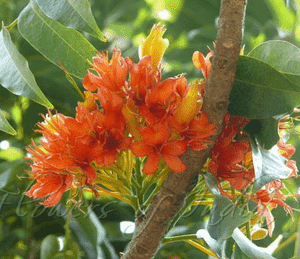
The Moreton Bay Chestnut is recognized for its impressive appearance and distinct seasonal transformations.
2
Correct positioning of the Moreton Bay Chestnut within your garden is crucial for its best development and visual appeal.
3
Adding the Moreton Bay Chestnut to your outdoor space can greatly benefit the surrounding natural environment.
Exploring the Influence of Moreton Bay Chestnut in Garden Design
The aesthetic appeal of Moreton Bay Chestnut
Moreton Bay Chestnut introduces a distinct visual component to any outdoor setting. Its characteristic foliage and impressive stature establish it as a focal point that captures attention. The lustrous, deep green leaves offer a beautiful contrast with its vibrant yellow and red seasonal blossoms. This juxtaposition can forge breathtaking views and elevate the overall beauty of your garden, transforming it from a mere functional area into a place of serenity and charm.
Seasonal transformations and their decorative impact
A most captivating aspect of Moreton Bay Chestnut is its seasonal metamorphosis. During its flowering period, the vivid blooms introduce a burst of color, while in other seasons, the tree's robust form and rich foliage provide a verdant backdrop. This seasonal variation ensures your landscape remains dynamic and visually engaging throughout the year. Furthermore, fallen leaves and flowers can enrich your garden with organic matter, indirectly nurturing other plant life.
Selecting the Optimal Site for Moreton Bay Chestnut
Evaluating sun exposure and soil requirements
Moreton Bay Chestnut flourishes in locations receiving ample sunlight, ideally 6-8 hours of direct sun daily. While adaptable to various soil types, well-draining, fertile soil will foster healthier growth and more vibrant blooms. Prior to planting, consider a soil test to confirm appropriate pH and nutrient levels. Amending soil conditions with compost or specific fertilizers can create an ideal growing environment for Moreton Bay Chestnut.
Considering growth habit and spatial needs
When choosing a spot for Moreton Bay Chestnut, it's crucial to account for the space it will occupy at maturity. Moreton Bay Chestnut can develop into a large tree, so ensure sufficient vertical and horizontal clearance for its expansion. Avoid planting too near buildings or other structures to prevent future maintenance issues. Additionally, consider the tree's potentially wide-spreading root system; providing ample room will protect both the tree and adjacent plants or structures.
Integrating Moreton Bay Chestnut with Other Flora
Companion plants for Moreton Bay Chestnut
To enhance your garden's overall beauty and vitality, consider pairing Moreton Bay Chestnut with complementary plants. Species sharing similar soil and sunlight needs, such as shrubs, perennials, or ground covers, are suitable companions. For instance, flowering plants that bloom at different times than Moreton Bay Chestnut can provide continuous color. Moreover, plants with diverse heights and foliage textures can create a multi-layered and visually appealing garden design.
Establishing a unified garden aesthetic
Incorporating Moreton Bay Chestnut into a broader garden theme can result in a cohesive and harmonious landscape design. Whether aiming for a tropical haven, a native plant garden, or a contemporary outdoor area, Moreton Bay Chestnut can serve as a pivotal element. Its distinct characteristics can unify various design components. Consider employing recurring patterns or color schemes throughout the garden to reinforce the theme and make Moreton Bay Chestnut an integral part of the whole.
Maintenance Guidelines for Moreton Bay Chestnut in Landscapes
Practical pruning and cleaning advice
Maintaining Moreton Bay Chestnut involves regular pruning and tidying. Remove dead or diseased branches to encourage vigorous growth and shape the tree to complement your landscape design. Keeping the area around Moreton Bay Chestnut free of fallen leaves and debris can prevent disease and improve the garden's appearance. Use sharp, clean tools for pruning and adhere to best practices to avoid harming the tree.
Seasonal care adjustments
Adapting your care routine seasonally can keep Moreton Bay Chestnut looking its best. During the active growing period, ensure the tree receives adequate water, especially in dry spells. Mulching around the base can help retain soil moisture. In colder months, consider protective measures if your region experiences extreme weather. Regular fertilization and pest control, tailored to the season's demands, will also support the tree's health and appearance.
Ecological Advantages of Including Moreton Bay Chestnut in Your Yard
Contribution to the local ecosystem
Moreton Bay Chestnut plays a significant role in supporting the local ecosystem by offering habitat and sustenance for various wildlife, including birds and insects. Its flowers attract pollinators, which are crucial for biodiversity. The tree also provides shade and shelter, fostering a balanced and flourishing garden environment.
Improving air quality and other environmental benefits
Integrating Moreton Bay Chestnut into your landscape can enhance air quality by absorbing pollutants and generating oxygen. Its extensive root system helps prevent soil erosion and improves soil health. By sequestering carbon dioxide, Moreton Bay Chestnut also contributes to mitigating climate change. These ecological advantages make Moreton Bay Chestnut a valuable addition to any sustainable garden design.



