Enhancing Your Garden Design with the Sweet chestnut Plant: A Landscaping Guide
1
Sweet chestnut enhances the visual charm and offers diverse seasonal hues to any outdoor space.
2
Sweet chestnut demonstrates great versatility, flourishing across different weather patterns and environments.
3
Cultivating Sweet chestnut aids ecological well-being through its role in absorbing atmospheric carbon.
Why Opt for Sweet Chestnut in Your Outdoor Space?
Visual appeal and seasonal hues
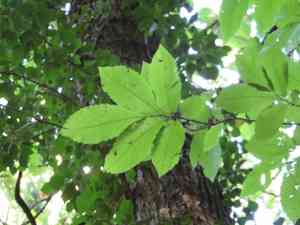
A primary justification for considering Sweet chestnut in your landscape is its outstanding visual charm. Throughout the year, Sweet chestnut undergoes a transformation that adds dynamic visual interest to your garden. In spring and summer, its vibrant green leaves offer a lively backdrop for other plants. During autumn, the foliage shifts to a rich, golden shade, bringing warmth and color to the outdoor area. This seasonal color variation ensures your garden remains appealing year-round, creating a continuous visual display that is both captivating and welcoming.
Resilience and adaptability across diverse climates
Sweet chestnut is renowned for its remarkable hardiness and ability to adapt to various climates, making it a versatile option for many gardeners. Whether you experience harsh winters or scorching summers, Sweet chestnut can flourish with minimal effort. This robustness is especially advantageous for those residing in regions with unpredictable weather patterns. Furthermore, Sweet chestnut can tolerate different soil types, making it an ideal choice for both novice and experienced gardeners seeking a low-maintenance yet visually pleasing plant to enhance their outdoor environment.
Environmental advantages, including carbon sequestration
Integrating Sweet chestnut into your landscape not only boosts its visual appeal but also contributes positively to the environment. Sweet chestnut plays a significant role in carbon sequestration, thereby helping to mitigate climate change. By planting Sweet chestnut, you are not only cultivating a beautiful garden but also contributing to the overall health of the planet. Moreover, Sweet chestnut can improve soil quality and provide a habitat for various wildlife, making your garden a more ecological and sustainable space.
Designing Your Landscape with Sweet Chestnut
Selecting the ideal spot in your garden
When planning your landscape with Sweet chestnut, choosing the optimal location is vital to ensure its healthy growth and visual impact. Sweet chestnut prefers a sunny position with well-drained soil to maximize its growth potential. Consider placing Sweet chestnut where it can serve as a focal point, such as near a garden bench or at the end of a path. This placement not only allows for easy appreciation of its beauty but also integrates Sweet chestnut seamlessly into the overall garden design. If your garden is prone to wind, try to plant Sweet chestnut in a sheltered area to protect it from strong gusts and support its development.
Companion planting: suitable plants that thrive alongside Sweet chestnut
Companion planting is a strategic method to enhance the growth and health of Sweet chestnut while adding diverse beauty to your garden. Appropriate companion plants for Sweet chestnut include those that flourish in similar soil and light conditions. For instance, flowering shrubs and perennials like lavender, rosemary, and sage not only share similar growth requirements but also complement Sweet chestnut's aesthetic with their contrasting textures and colors. Additionally, these companion plants can attract beneficial insects, improve soil fertility, and reduce pest issues, creating a balanced and thriving garden ecosystem.
How to incorporate Sweet chestnut into your existing outdoor space
Integrating Sweet chestnut into your current landscape can be a straightforward yet rewarding process. Begin by assessing the present layout and identifying areas where Sweet chestnut can be introduced without overcrowding other plants. Sweet chestnut can be utilized as a standalone feature or in clusters for a more dramatic effect. Consider combining it with plants of varying heights and textures to create layers and depth in your garden. Sweet chestnut's adaptable nature allows it to blend well with a variety of garden styles, whether you prefer a formal, structured look or a more natural, woodland aesthetic.
Caring for Sweet Chestnut in Your Landscape
Seasonal trimming advice
Proper trimming is crucial for maintaining the health and appearance of Sweet chestnut. To encourage vigorous growth, prune Sweet chestnut during its dormant period, typically in late winter or early spring before new growth commences. Focus on removing dead or diseased branches, as well as any that are crossing or rubbing together. This practice not only enhances the plant's look but also improves air circulation and sun penetration, reducing the risk of pests and diseases. Regular pruning will also help maintain the desired shape and size of Sweet chestnut, ensuring it fits well with your landscape.
Soil and irrigation needs
Sweet chestnut thrives in well-drained soils with a slightly acidic to neutral pH. To ensure the soil remains ideal for growth, consider adding organic matter such as compost or well-rotted manure. Consistent moisture is vital, particularly during the initial years of establishment. Water Sweet chestnut deeply and regularly, especially during dry periods, to encourage deep root development. However, be mindful of overwatering, as this can lead to root rot. Mulching around the base of Sweet chestnut can help retain soil moisture and regulate temperature, creating a more stable environment for growth.
Safeguarding Sweet chestnut from pests and diseases
Keeping Sweet chestnut healthy involves vigilance against common pests and diseases. Regularly inspect your plant for signs of issues such as leaf spots, cankers, or insect infestations. If you notice any problems, take prompt action by removing affected leaves or branches and applying appropriate treatments. Biological controls, such as beneficial insects or nematodes, can also be effective in managing pest populations without resorting to harsh chemicals. Maintaining good garden hygiene, such as removing fallen leaves and debris, can further reduce the risk of disease and create a healthier environment for Sweet chestnut.
Innovative Uses of Sweet Chestnut in Landscaping
Incorporating Sweet chestnut into vertical gardens
Vertical gardens offer a unique and space-saving method to integrate Sweet chestnut into your landscape. By training Sweet chestnut to grow vertically, you can utilize wall space, trellises, or even free-standing structures to create a living, green wall. This approach is particularly beneficial for small gardens where horizontal space is limited. Vertical gardening not only maximizes space but also creates an eye-catching feature that enhances the visual appeal of your garden. Ensure that the support structure is sturdy and able to bear the weight of Sweet chestnut as it grows.
Utilizing the chestnuts for decorative purposes
Beyond their aesthetic value, the chestnuts produced by Sweet chestnut can be used creatively for decorative purposes. Their unique, spiky husks and rich brown nuts add a rustic element to autumnal décor. Consider using them in seasonal wreaths, table centerpieces, or outdoor displays. The natural textures and colors of the chestnuts complement a variety of design themes, from rustic to contemporary, providing a sustainable and charming way to enhance your home's interior and exterior spaces.
Creating natural shade and privacy screens
Sweet chestnut is an excellent choice for establishing natural shade and privacy screens in your garden. Its dense foliage provides ample cover, making it ideal for creating secluded garden nooks or protecting seating areas from the sun. Plant Sweet chestnut along property boundaries or around outdoor living spaces to create a natural barrier that offers both privacy and beauty. The shade provided by Sweet chestnut can also create a cooler, more comfortable environment during the hot summer months, making your outdoor space more enjoyable and inviting.



